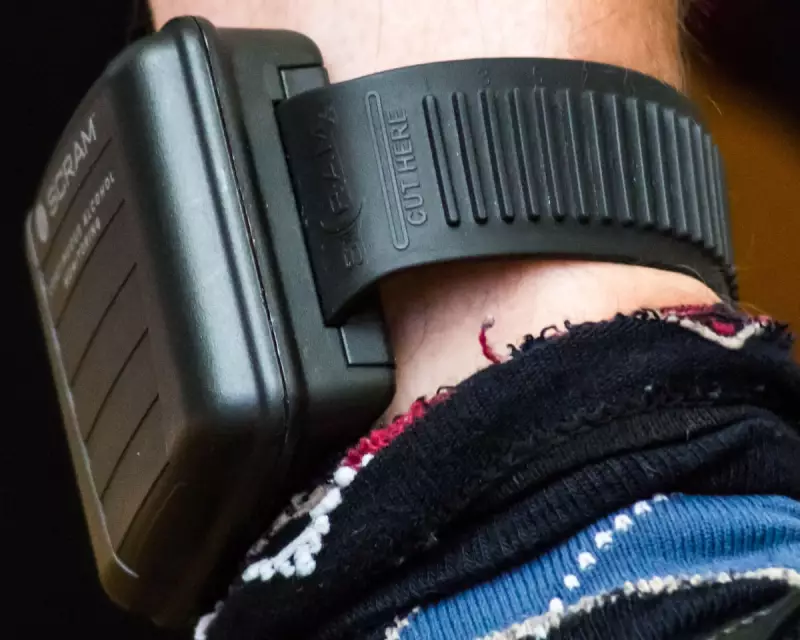
Thousands of individuals serving community sentences or recently released from prison in England and Wales will have their alcohol consumption electronically monitored throughout the New Year period. The move forms part of a government drive to tackle drink-related reoffending during the festive season.
How the Sobriety Tags Operate
The tags, which are now worn by 5,000 people, function by analysing the wearer's sweat around the clock. They are sophisticated enough to differentiate between incidental exposure, such as the trace alcohol found in foods like mince pies, and the consumption of alcoholic beverages. If the device detects alcohol, it sends an immediate alert to a probation officer, who can then initiate enforcement measures.
These measures can include hauling the offender back to court or even sending them to prison. David Lammy, the Deputy Prime Minister and Justice Secretary, emphasised the tags serve as a constant physical deterrent. "One drink and they could find themselves back in court or even behind bars," he stated, highlighting the government's tough stance.

Impact and Concerns Over Alcohol-Driven Crime
The initiative targets a significant societal problem. Official estimates suggest alcohol-fuelled crime costs the UK economy £21bn annually. Surveys indicate that 39% of victims of serious offences believe alcohol was a factor, while about a fifth of offenders under probation supervision have an identified "alcohol need".
Since their national launch in 2021, evidence suggests the tags have been effective. Offenders with alcohol problems have remained sober for 97% of the days they were tagged. Some have reported that the monitoring helped them adopt a healthier lifestyle.
Broader Tagging Strategy and Expert Warnings
The government plans a significant expansion of electronic monitoring. As part of sentencing reforms, the annual probation budget is set to rise by up to £700m by 2028, aiming to tag tens of thousands more offenders. This follows successful pilots; a study in August showed burglars and thieves fitted with GPS tags were around 20% less likely to reoffend, a figure mirrored for those on curfew tags.
However, addiction support services have sounded a note of caution. They warn that for some people with a severe alcohol dependency, enforced sobriety via a tag could be dangerous if they experience withdrawal symptoms without medical support. Critics also argue the technology does not address the root causes of addiction.
Police and Crime Commissioners, such as Joy Allen from Durham and David Sidwick from Dorset, have backed the scheme. In a joint statement, they noted the well-established link between alcohol and crime and said measures proven to suppress intake benefit both offenders and their communities. "We want people to enjoy the festivities without fear," they added.