Starmer Confronts Parliament Over Mandelson Vetting Controversy
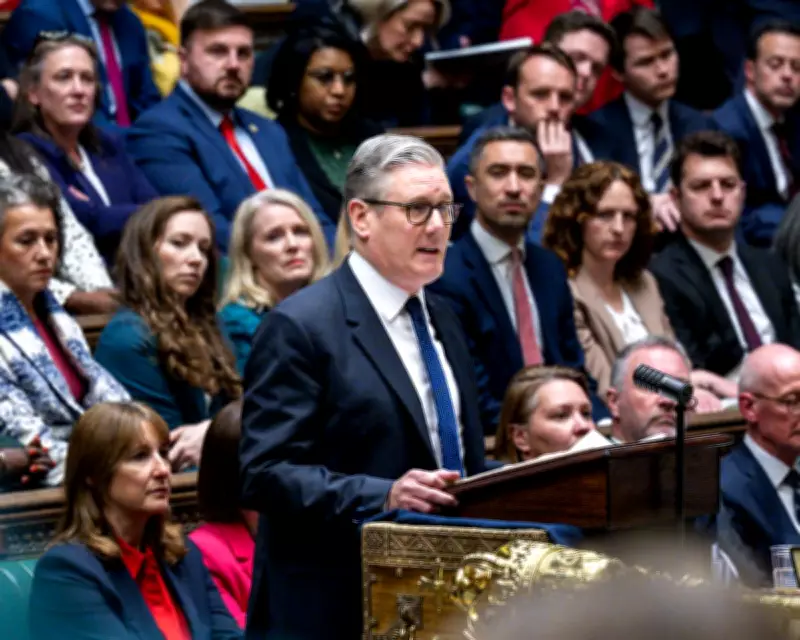
Prime Minister Keir Starmer has delivered a high-stakes statement to the House of Commons, accusing former Foreign Office permanent secretary Olly Robbins of deliberately and repeatedly obstructing the truth about the Peter Mandelson security vetting scandal. The dramatic parliamentary appearance comes just six days after Starmer acknowledged his choice for Washington ambassador had failed crucial security clearance.
In a sombre address to a packed chamber, Starmer admitted his decision to appoint Mandelson represented a fundamental mistake. However, he placed significant blame on the Foreign Office for what he described as a staggering and incredible failure to brief Downing Street about the vetting advice. The prime minister insisted he had been kept in the dark about critical information that should have informed his decision-making process.
Intelligence Committee Takes Center Stage
The vetting materials have now been handed to the trusted Intelligence and Security Committee (ISC), which is expected to conduct a thorough assessment before returning the documents to the government for public release within days. According to sources familiar with the matter, these materials include a concise summary document detailing aspects of Mandelson's personal life, financial arrangements, and business dealings.

Lord Beamish, chair of the ISC, has formally requested that ministers release all documents related to the Foreign Office's decision-making process. His committee had previously been informed by the Cabinet Office that no such documents existed, prompting Beamish to emphasize the urgency of providing any available information as soon as possible.
Revelations Emerge During Parliamentary Questioning
During two hours of intense questioning following Starmer's statement, several critical details emerged about the unfolding scandal. The prime minister has ordered a comprehensive investigation into any security concerns surrounding Mandelson's tenure as ambassador, amid growing worries about potential information leaks.
It was revealed that Robbins, who served as the most senior official at the Foreign Office before his dismissal last week, failed to inform his superior, then-cabinet secretary Chris Wormald, about the vetting failure. This omission occurred even while Wormald was conducting a review of the process last September. Furthermore, Robbins did not share this information with any other officials or aides within Number 10.
Controversial Timeline and Decision-Making
Additional disclosures indicate that Simon Case, Wormald's predecessor, had advised Starmer to complete Mandelson's security vetting before confirming his appointment as ambassador. This recommendation was apparently disregarded in the rush to secure the diplomatic posting.
Perhaps most controversially, Robbins overturned the United Kingdom Security Vetting (UKVS) decision to fail Mandelson just twenty-four hours after the initial determination. This rapid reversal allowed minimal time for implementing potential security mitigations. In response to this incident, the Foreign Office has been stripped of its authority to make such determinations.
Political Fallout and Leadership Implications
Labour Members of Parliament have expressed considerable frustration about the scandal resurfacing at a time when Starmer had been rebuilding political goodwill through his handling of the Iran crisis. While many acknowledge the prime minister may have been unaware of the vetting issues, the situation serves as an unwelcome reminder of what they consider a fundamental misjudgment in Mandelson's appointment.
Emily Thornberry, chair of the foreign affairs select committee, suggested to MPs that security considerations appeared to have been secondary for Downing Street during the appointments process. She questioned whether securing the position for Mandelson had become a priority that overrode all other concerns.
Robbins Prepares for High-Stakes Committee Appearance
Olly Robbins is scheduled to appear before the Commons foreign affairs committee on Tuesday morning in what promises to be a crucial hearing. Downing Street remains braced for potential new revelations that could disrupt efforts to stabilize the government's position.

Sources close to Robbins indicate he plans to argue that he followed established protocols when approving Mandelson's security clearance. He is expected to maintain that disclosing specific vetting information to Number 10 could have violated legal requirements. While not planning to deliver dramatic revelations, Robbins intends to answer committee questions honestly while challenging the characterization that Mandelson definitively failed his security vetting.
Whitehall Reaction and Long-Term Consequences
Senior Whitehall officials have criticized Starmer's decision to dismiss Robbins, arguing that the former permanent secretary was merely following established rules and procedures. This move has reportedly created apprehension within the civil service about ministerial relationships and accountability.
One senior Labour source suggested that while the prime minister would likely survive the immediate crisis, the long-term consequences could include severely strained relations with Whitehall officials. The source warned that when ministers lose the confidence of their officials, those officials often respond by leaking information extensively.
Leadership Stability Under Scrutiny
Labour MPs have indicated that Starmer's parliamentary performance has not significantly altered the political landscape regarding potential leadership challenges. While many acknowledge serious questions about the prime minister's judgment, most believe the current global situation provides him with temporary security.
One former minister noted that each day of scandal gradually erodes support within the Parliamentary Labour Party, though this does not necessarily make Starmer's rivals more credible alternatives. Allies of the prime minister maintain that candor represents their best strategy during such crises, though they acknowledge Starmer's frustration at being unable to be as transparent as he would prefer.
Several MPs expressed skepticism about the authenticity of the prime minister's remorse, particularly after receiving what they described as planted questions from whips that included references to Jeffrey Epstein's victims. One MP characterized this approach as absolutely grotesque and questioned the government's genuine concern for victims.