Starmer Denies Misleading Parliament Over Mandelson Vetting Process
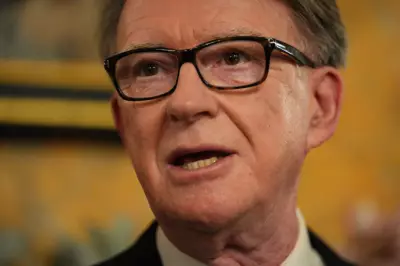
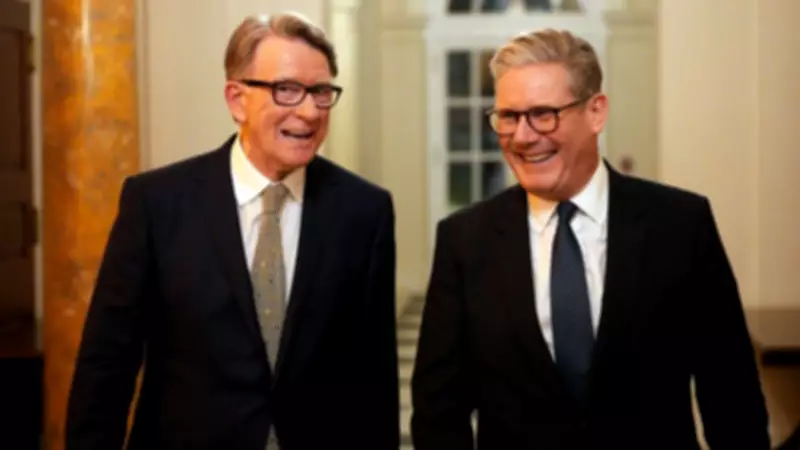
Prime Minister Keir Starmer has firmly denied allegations that he misled the House of Commons concerning the vetting process for Peter Mandelson's appointment as US ambassador. This denial comes in the wake of newly published government documents that have sparked significant controversy and raised serious questions about the transparency and thoroughness of the appointment procedure.
Background of the Controversy
In September of last year, Sir Keir Starmer assured Members of Parliament on two separate occasions that "full due process was followed" in the appointment of Lord Mandelson. This assurance was given despite revelations that Lord Mandelson had maintained a friendship with convicted paedophile Jeffrey Epstein even after Epstein's imprisonment, a relationship that ultimately led to Mandelson's dismissal from the ambassadorial role.
The controversy intensified last Wednesday when the British government released the first batch of the Mandelson files. These documents contain detailed correspondence related to both his appointment and subsequent sacking, casting doubt on whether the prime minister indeed adhered to the correct protocols.
Key Revelations from the Mandelson Files
The published files reveal that Prime Minister Starmer and his then-chief of staff, Morgan McSweeney, were explicitly informed about Lord Mandelson's ongoing relationship with Jeffrey Epstein. Specific details included Mandelson's stay at Epstein's residence while the sex offender was incarcerated, and warnings that the appointment could pose a "reputational risk" to the government.
Furthermore, the documents highlight concerns raised by Jonathan Powell, the national security adviser, who described the appointment process as "weirdly rushed" and expressed significant reservations about proceeding with Mandelson's nomination.
Starmer's Defense and Apology
When questioned by Sky News' Beth Rigby about whether he had misled MPs regarding the due process, Sir Keir Starmer responded unequivocally: "No." He pointed to the independent adviser's review, conducted late last week, which he claimed robustly confirmed that the established process had been followed.
However, the prime minister conceded that the vetting process itself was flawed, stating it "wasn't strong enough." He announced forthcoming changes to the system, including a new rule that prohibits the government from announcing ambassador appointments before the vetting process is fully completed. Starmer emphasized that this issue was not unique to the Mandelson case but was a systemic problem.
"You only have to look at that, in the light of the appointment, to realise that that needs to change," he remarked. "But on due process, the process that was there was followed, the problem was the process wasn't strong enough." Sir Keir reiterated his apology, acknowledging, "Ultimately, it was my mistake and I have apologised for that and quite right too."
Political Reactions and Allegations
The Conservative Party has accused the government of a "cover-up" in the release of the Mandelson documents, noting that two sections reserved for the prime minister's comments on the appointment were left blank. Although it is understood that no redactions were made and Starmer simply did not fill them in, the opposition remains skeptical.
A Conservative spokesman criticized Sir Keir, alleging that he "never owns up to his mistakes" and instead shifts blame onto his team, the civil service, or the vetting process itself. The spokesman demanded the release of all documents related to Mandelson's appointment to fully uncover the truth.
Both the Liberal Democrats and the Conservatives have called for the prime minister's independent ethics adviser to investigate the appointment. However, Sir Laurie Magnus, the independent adviser, stated last week that the documents indicate "the relevant process for a political appointee was followed." It is important to note that while ambassadors are typically diplomatic appointments, Lord Mandelson was a political appointee due to his previous service in the Labour government.
Ongoing Implications
This scandal continues to unfold, with significant political ramifications. The release of the Mandelson files has not only questioned the integrity of the appointment process but also highlighted broader issues of accountability and transparency within the government. As calls for further investigation persist, the prime minister's handling of this matter remains under intense scrutiny, potentially affecting public trust and political stability.