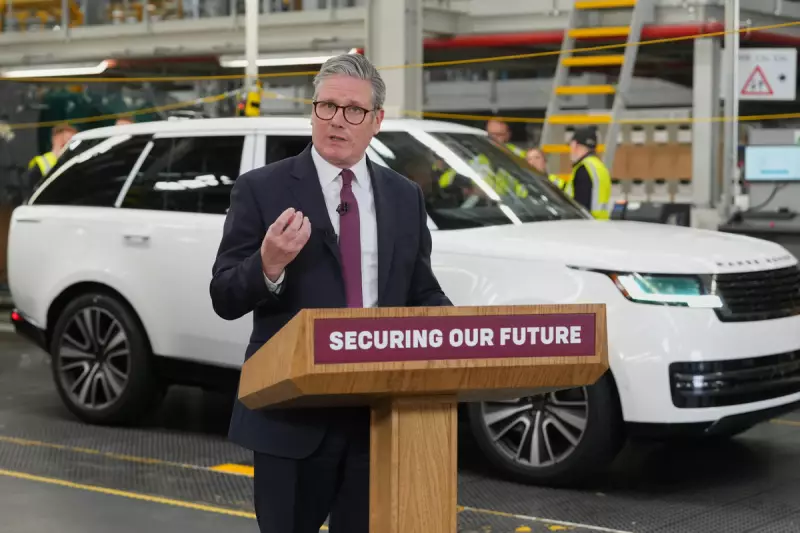
Prime Minister Sir Keir Starmer is poised to execute another significant policy reversal by abandoning plans to make a national digital identity card compulsory for all UK citizens.
Another Major Policy Shift
This decision, expected to be announced imminently, represents the latest in a series of U-turns from the Labour government. It follows earlier reversals on policies including the proposed farm tax and the cessation of winter fuel payments.
Instead of a mandatory scheme, workers may be offered alternative methods for identity verification, according to sources cited in media reports. This move would halt a four-month government campaign aimed at building public support for the digital ID, a policy that had sparked concern among democracy campaigners and many Labour backbenchers.

Cost and Security Concerns
The financial and security implications of the digital ID scheme had come under intense scrutiny. The Office for Budget Responsibility (OBR) had provisionally estimated the cost at £1.8 billion over the next three years.
Significant anxieties were also raised about the system's vulnerability to cyber attacks. These fears were amplified by recent reports revealing that UK government computer systems had been compromised by hostile actors, including those linked to China.
One Labour backbencher told Politics Home, which first broke the story, that it was difficult to find a minister who would defend the policy in private. Party MPs had complained extensively about the lack of electoral support for the initiative.
Defence and Dissonance
Prior to the Labour Party conference in late September 2025, Starmer had argued that a digital ID would help authorities crack down on illegal working. In the following months, government communications shifted to highlight the policy's potential for streamlining public services.
Chief Secretary to the Prime Minister, Darren Jones, emerged as the scheme's most prominent public defender. Just yesterday, he stated: “I’m confident that this time next year, the polling will be in a much better place on digital ID than it is today.”
While a voluntary digital ID may still be offered, it is not expected to be compulsory for right-to-work checks. This reversal adds to a growing list of government U-turns, which commentators have numbered at least 14, a figure that could rise if amendments to legislation are included. Among the most notable was the decision not to proceed with £5 billion in cuts to disability payments.