Starmer Confronts 'Judgment Day' as Mandelson Vetting Crisis Escalates
Prime Minister Keir Starmer is confronting intensifying demands for his resignation following the explosive revelation that he remained unaware of Peter Mandelson's security vetting failure for the crucial US ambassador position. The political storm has engulfed Westminster, with accusations flying that Starmer sacrificed a senior civil servant to protect his own premiership.
Mounting Revelations and Political Fallout
Senior government insiders have described next week as Starmer's "judgment day" when Olly Robbins, the former Foreign Office permanent secretary forced to resign over the controversy, is scheduled to testify before a powerful parliamentary committee. Robbins, reportedly furious about his dismissal, could deliver damaging testimony that contradicts Downing Street's official narrative.
The Guardian's investigation has uncovered that two additional top civil servants—Cabinet Secretary Antonia Romeo and Cabinet Office Permanent Secretary Catherine Little—were aware of Mandelson's vetting issues last month but failed to inform the prime minister. Government sources maintain these officials weren't deliberately withholding information but were engaged in complex risk assessment procedures regarding sensitive data disclosure.

Starmer's Defense and Westminster Reaction
Starmer has expressed outrage at being kept in the dark, describing the situation as "staggering" and "unforgivable." Downing Street has squarely blamed the Foreign Office, with the prime minister's spokesperson revealing that Number 10 had "repeatedly" sought information about the case without receiving proper disclosure. When questioned about a potential cover-up, the spokesperson didn't reject the characterization, emphasizing Starmer's lack of prior knowledge.
Within hours of the vetting failure becoming public, Robbins was removed from his Foreign Office position. The former official believes he followed proper procedures and was unfairly treated as a scapegoat. His anticipated testimony before the Commons foreign affairs select committee on Tuesday has government ministers deeply concerned about potential revelations that could further damage Starmer's already precarious position.
Expert Analysis and Political Ramifications
Ciaran Martin, a former senior civil servant with vetting experience and Robbins' close friend, has defended the dismissed official's actions. Martin explained that security vetting represents a nuanced risk assessment rather than a simple pass-fail system, and officials routinely determine whether risk levels are acceptable. He emphasized that disclosing vetting details to ministers violates standard protocols that protect the integrity of the entire security clearance system.
However, another senior government official familiar with vetting processes suggested the Foreign Office's decision to override UK Security Vetting advice was highly unusual. This source argued Robbins could have at least informed a senior minister about the situation without revealing specific details.
Cross-Party Pressure and Internal Labour Concerns
Leaders from all major opposition parties have demanded Starmer's resignation, with Conservative leader Kemi Badenoch declaring there can be "no more cover-up, no more excuses, no more delays." The Liberal Democrats have requested an investigation by the prime minister's ethics adviser regarding Starmer's failure to immediately inform parliament about the vetting issues.
Within Labour ranks, MPs express dismay that the Mandelson controversy continues to damage the government just weeks before critical local elections. While some backbenchers find it "incredible" that Starmer remained unaware, others acknowledge the possibility given Westminster's complex bureaucratic structures. A growing number believe this scandal could prove terminally damaging for a prime minister who promised to clean up politics, with one MP stating, "I can't see how he survives this."

Investigation and Future Developments
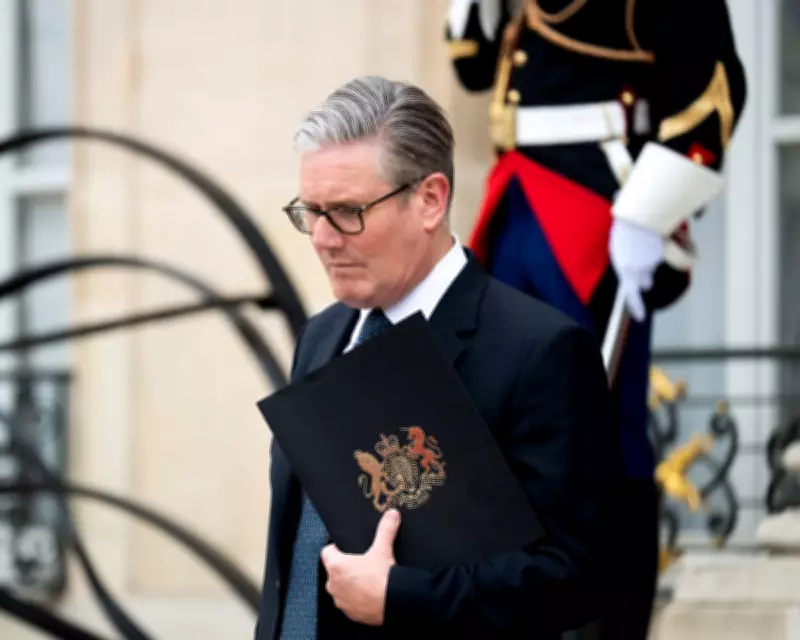
Retired Court of Appeal judge Adrian Fulford, who previously led the Southport inquiry, is expected to review Mandelson's vetting process and the broader security clearance system. Meanwhile, Starmer prepares to address MPs on Monday with a statement about the unfolding crisis, even as he maintains his international commitments, including recent meetings in Paris concerning the Strait of Hormuz.
The political landscape remains volatile, with Starmer's supporters arguing that leadership agitation is ill-timed given global instability and domestic economic challenges. Yet the Mandelson vetting debacle continues to cast a long shadow over the government's credibility, raising fundamental questions about transparency, accountability, and political survival in Westminster's corridors of power.