Starmer Commits to Leading Labour into Next Election as He Navigates Leadership Turmoil
Prime Minister Sir Keir Starmer has firmly declared his intention to lead the Labour Party into the next general election, scheduled for 2029, as he attempts to steer his premiership through its most significant leadership crisis to date. In a bid to reboot his flailing administration, Starmer emphasised his unwavering commitment to the public, stating he would "never walk away from the people that I'm charged with fighting for."
Addressing Doubts and Internal Challenges
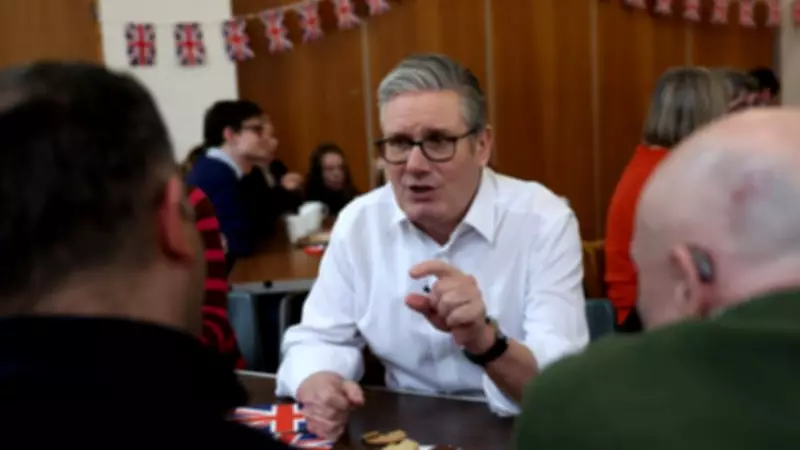
The prime minister's assertion comes amid growing doubts about his future in office, sparked by a recent scandal involving his appointment of Peter Mandelson as US ambassador. On Monday, Labour's leader in Scotland, Anas Sarwar, called for Starmer's resignation, marking the biggest challenge to his leadership yet. In response, Starmer joked at an event in Hertfordshire on Tuesday, "It's been a busy week," before reiterating his resolve to fulfil his electoral mandate.
He told broadcasters, "I had a five-year mandate to deliver the change. I intend to get on with what I was elected to do." When directly asked if he would lead Labour into the next election, Starmer confirmed, "Yes I will." He added, "And I will never walk away from the country that I love," urging his party to focus on improving living standards and public services rather than internal strife.

Weak Position Despite Strong Words
Despite these strong declarations, Sky News political editor Beth Rigby noted that Starmer remains in a "weak position." Conservative leader Kemi Badenoch criticised the situation, suggesting Labour MPs had given Starmer a "stay of execution because they are terrified of losing their own jobs." This highlights the ongoing political tensions and the precarious nature of Starmer's leadership amidst the crisis.
Cabinet Backing and Calls for Unity
Starmer's comments followed a cabinet meeting on Tuesday morning, where he received unanimous backing to remain in his post. Energy Secretary Ed Miliband described Monday as a "very difficult day" for the government, admitting to "mistakes" and the need for a change in course. He urged Labour MPs to "move on" from the infighting, stating they had "looked over the precipice yesterday and thought, we need to step back. We need to back our leader."
Support also came from key figures such as Manchester Mayor Andy Burnham and Welsh First Minister Eluned Morgan, who both endorsed Starmer. Burnham, despite being blocked by Starmer from standing in a recent by-election, called for "stability" and "greater unity" within the party. This backing underscores efforts to consolidate support and navigate the leadership challenges ahead.
As Starmer seeks to move past this crisis, the focus now shifts to whether he can rally his party and the public behind his vision, with the next election looming on the horizon.