Starmer's Leadership Under Fire as Robbins Testimony Unveils No 10 Chaos
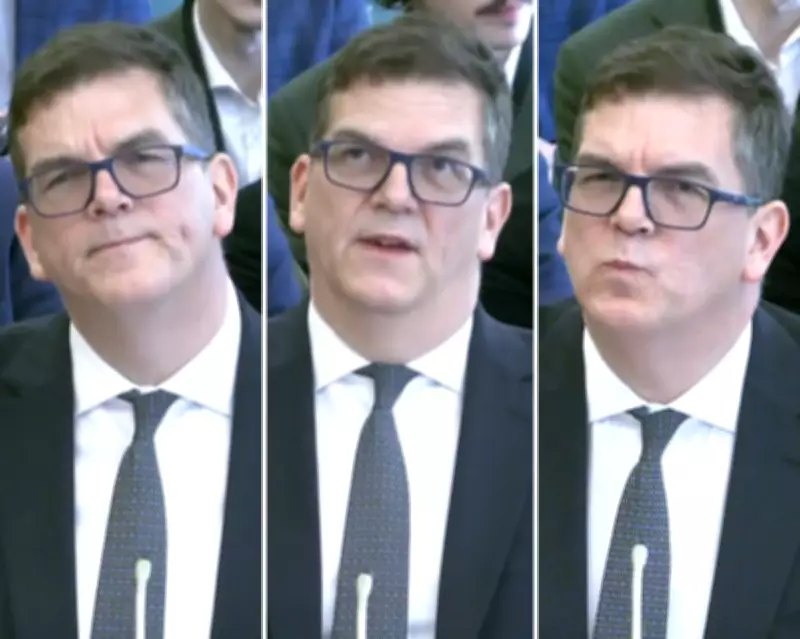
In a dramatic parliamentary session, Sir Olly Robbins appeared before the foreign affairs select committee, delivering testimony that laid bare the inner turmoil of Prime Minister Keir Starmer's administration. The hearing focused on the botched appointment of Peter Mandelson as US ambassador, a decision that has spiraled into a full-blown political crisis for the Labour leader.
Pressure and Dismissiveness from Downing Street
Robbins, the former permanent secretary at the Foreign Office, detailed an "atmosphere of pressure" emanating from Number 10. He emphasized that there was "constant chasing" and "constant pressure" to fast-track Mandelson's formal appointment, coupled with a "generally dismissive attitude" toward the necessary security vetting processes. According to Robbins, this pressure originated from the No 10 private office, suggesting that higher authorities, potentially including Starmer or his former chief of staff Morgan McSweeney, were driving the rushed agenda.
Robbins revealed that by the time he assumed his role, Mandelson's appointment had already been announced, with his name submitted to the king and host country approval secured. Notably, none of these steps indicated that the position was subject to developed vetting (DV), a critical oversight given Mandelson's controversial associations. Robbins stated, "I believe the Cabinet Office raised whether developed vetting was actually necessary," highlighting the alarming negligence in the process.

Broader Implications for Starmer's Judgment
The testimony underscores recurring themes of poor judgment within Starmer's leadership. Mandelson, known for his ties to a notorious sex trafficker and questionable business links with Russian and Chinese firms, was deemed a security risk by vetting authorities. This forced Starmer to publicly retract the appointment, yet the prime minister has consistently deflected blame, chuntering "like an arsonist complaining about the price of matches" in parliamentary debates.
Robbins also disclosed that No 10 initiated discussions about appointing Matthew Doyle, then the PM's communications chief, to a head of mission role, with instructions to keep it secret from the foreign secretary. This move, described as "uncomfortable" by Robbins, points to a pattern of sidelining experienced diplomats in favor of political allies, further eroding trust in Starmer's administrative competence.
Starmer's Political Identity and Future Challenges
The scandal raises fundamental questions about Starmer's political purpose. Critics argue he appears "profoundly uninterested" in governance and "staggeringly uninformed" about how the political system operates. His biographer noted that "there is no such thing as Starmerism," and Starmer himself has rejected traditional political labels, positioning himself as a technocrat. However, his failure to grasp basic processes, such as security vetting, undermines this image.
In recent months, Starmer has overseen the dismissal or resignation of key appointees, including a cabinet secretary, an ambassador, and Robbins himself, alongside his chief of staff. This cleanup effort has become a "full-time job," diverting attention from substantive policy goals. The irony is palpable: Starmer, who once specialized in "telling people off" as opposition leader, is now "permanently told off" and resorts to blaming others, snitching and dropping allies to save face.
Conclusion: A Leadership in Crisis
Olly Robbins's testimony has exposed a No 10 omnishambles, where pressure to appoint controversial figures overrides security protocols and diplomatic norms. Starmer's inability to accept responsibility, coupled with his dismissive attitude toward vetting, has fueled a narrative of chaotic and unprincipled leadership. As the prime minister faces mounting scrutiny, his tenure is increasingly defined by missteps and a lack of coherent vision, leaving him with few scapegoats and a legacy of judgment failures that threaten to define his time in office.