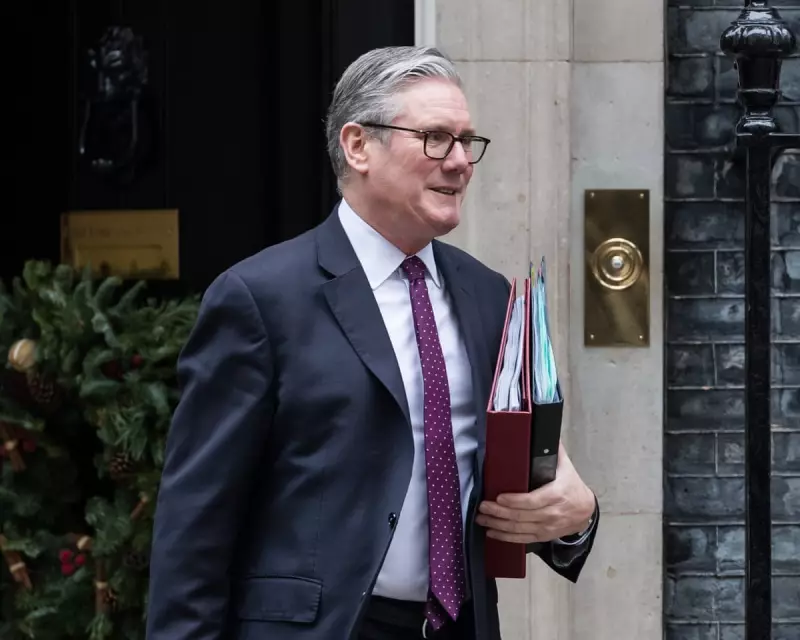
Prime Minister Keir Starmer is preparing a significant political reset with a new King's Speech scheduled for after the crucial May elections, as his Labour government braces for potentially devastating results at the ballot box.
Election Pressures and Leadership Speculation
Senior parliamentary sources confirm planning is underway to end the current parliamentary session the week after local elections in England and votes in the Welsh and Scottish parliaments this May. This will make it a notably long session, stretching nearly two years since Labour first outlined its legislative programme after the July 2024 general election victory.
The party faces a grim electoral outlook. Labour risks losing hundreds of council seats in England to rivals like Reform UK and the Greens. In Wales, where Labour has historically dominated, polls suggest it could be defeated for the first time, with Plaid Cymru and Reform leading. In Scotland, recent polling indicates the Scottish National Party (SNP) is on course to maintain power, dashing hopes that Scottish Labour leader Anas Sarwar might become First Minister.

This challenging backdrop has fuelled speculation about Starmer's future. Critics within his own party have repeatedly identified May as the moment when potential leadership challengers could demand he stand aside.
A Legislative Reset and Key Bills
The planned King's Speech represents a reset button for a government whose agenda has been hampered by parliamentary rebellions, international crises, economic turmoil, and defeats in the House of Lords. The relatively late end to the parliamentary session offers a glimmer of hope for supporters of the Assisted Dying bill, which will fail if not passed before the session closes. However, opponents are expected to use procedural tactics to block this private member's bill.
The new legislative agenda is expected to include several major proposals:
- Further House of Lords reforms, including introducing a mandatory retirement age of 80 for peers. A cross-party committee was formed in December to consult on changes, which will likely face stiff opposition following the row over abolishing hereditary peerages.
- An AI and Copyright bill.
- An Immigration bill based on changes to refugee and asylum rights outlined by Home Secretary Shabana Mahmood.
- Potential legislation on leasehold reform, welfare, Send (Special Educational Needs and Disabilities), and anti-corruption measures.
- An Electoral Reform bill, expected to include changes to donation rules and introducing votes at 16.
One internal government dispute centres on whether a new Planning or Nature bill is needed to alter rules on protected species and streamline large infrastructure projects, or if these changes can be made via secondary legislation.
Post-Election Challenges on All Fronts
Starmer is anticipated to face intense pressure from all sides after the May elections. London MPs, in particular, may see councils fall to the Greens or witness significant gains by independent candidates, potentially returning control to the Conservatives or resulting in councils with no overall control.
The situation in Wales appears especially dire for Labour. A recent poll placed Plaid Cymru ahead of Reform UK for the first time, suggesting anti-Reform voters are consolidating around the Welsh nationalists as the main challenger, not Labour. This poll put Labour, the Conservatives, and the Liberal Democrats all on a mere 10%.
Labour strategists now pin their hopes for a positive election narrative on the possibility of a narrow win for Anas Sarwar in Scotland. However, the most recent polling shows him trailing the SNP's John Swinney, despite Labour's shock victory in the recent Hamilton by-election.
The May elections and the subsequent King's Speech will be a defining moment for Keir Starmer's premiership, testing his authority and his government's ability to refocus its stalled agenda in the face of significant electoral setbacks.