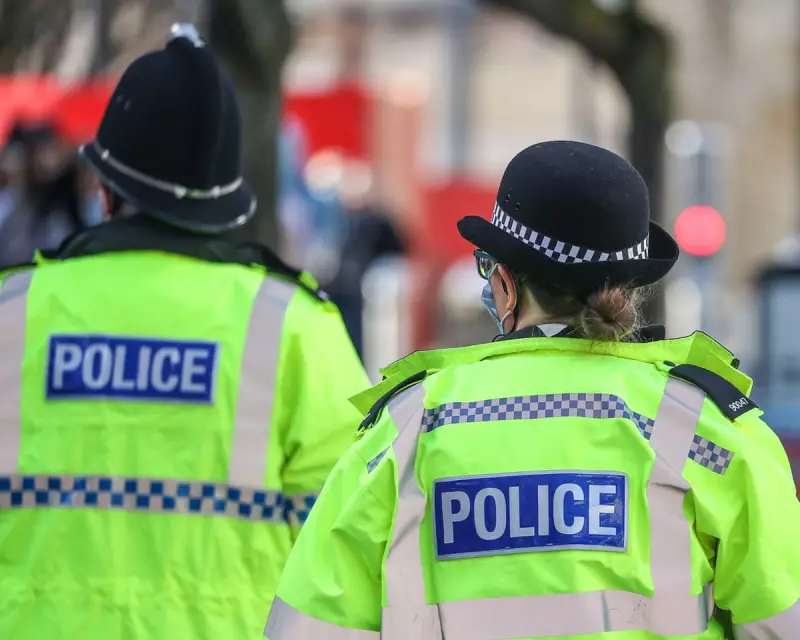
A formal super-complaint has been launched against police forces across England and Wales, accusing them of causing 'inhumane and untenable' suffering to survivors through years-long delays in investigating sexual offences.
The complaint, submitted by a coalition of leading campaign groups and legal experts, reveals a shocking systemic failure. Over the past decade, more than 37,000 investigations into sexual offences have taken longer than three years to conclude.
A System in Crisis: Soaring Delays and Broken Promises
Data obtained through Freedom of Information requests paints a stark picture of a justice system buckling under pressure. The number of sexual offence cases taking over three years to investigate has skyrocketed by more than seven times in ten years.

From just 533 such cases in the 2014-15 period, the figure ballooned to 4,008 in the 2024-25 period. By the end of March 2025, nearly 14,000 investigations had remained open for more than three years.
The coalition behind the complaint – comprising Cambridge Rape Crisis Centre (CRCC), the Centre for Women’s Justice (CWJ), Rape Crisis England & Wales (RCEW), and law firm Bindmans LLP – argues these excessive delays may breach the UK's obligations under the European Convention on Human Rights (ECHR).
The Human Cost: Survivors Abandoned and Retraumatised
The complaint is not just about statistics; it centres on profound human suffering. It highlights the case of one woman who reported childhood sexual abuse, including rape, in December 2014. Her alleged perpetrator was not charged until 2021, with a trial delayed further by the barristers' strike.
After nine years of waiting, the emotional toll became too great, and she withdrew from the case. She described the process as 'truly inhumane' and expressed deep disappointment in a system meant to protect citizens.
A survey conducted by the organisations found that more than two-thirds of survivors caught in delayed cases were unsure if they would ever report to the police again. This erosion of trust threatens the very foundation of justice for sexual violence.
Root Causes and a Call for Urgent Reform
The super-complaint identifies several key failures within police forces, including the routine de-prioritisation of sexual offence cases, poor collaboration with the Crown Prosecution Service (CPS), and chronic issues with staffing, resources, and case management.
Ellie Ball, an Independent Sexual Violence Adviser Manager at CRCC, stated that survivors see their cases 'repeatedly de-prioritised and pushed to the back of an informal waiting list for justice.'
Maxime Rowson, Head of Policy at RCEW, warned that prolonged delays often prevent justice altogether as survivors withdraw, memories fade, and perpetrators may pass away before trial.
The groups are demanding an immediate audit by all police forces to identify how many cases are effectively stuck in the system. His Majesty’s Inspectorate of Constabulary and Fire & Rescue Services, alongside the College of Policing and the Independent Office for Police Conduct, will now jointly assess the super-complaint.