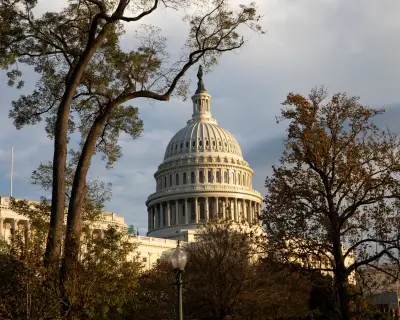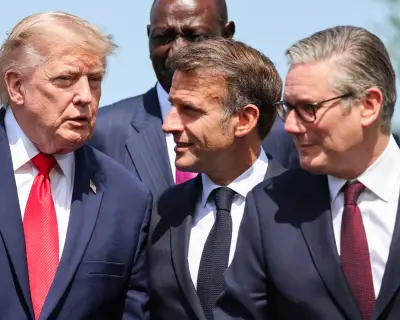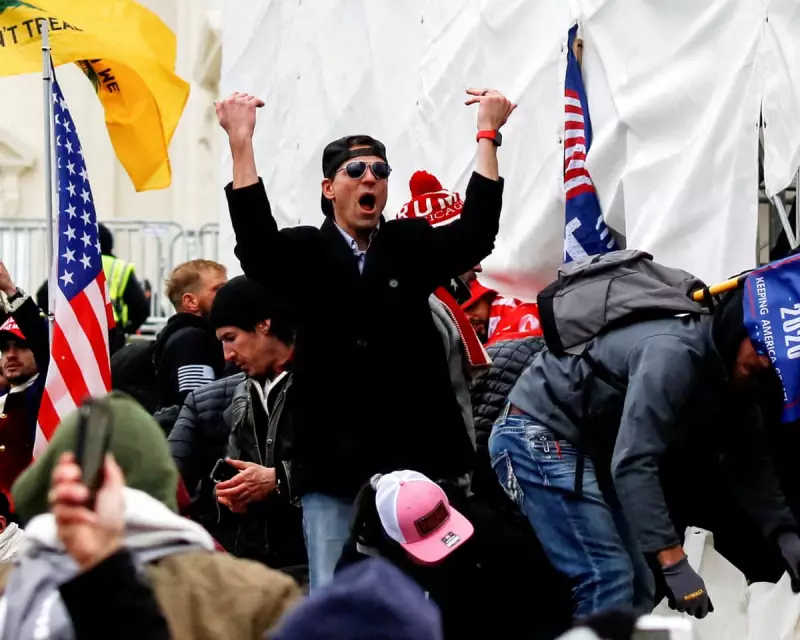
Five years after a violent mob stormed the United States Capitol, a sustained and systematic effort led by former President Donald Trump and his Republican allies seeks to rewrite the history of that day and erase it from the nation's collective memory.
The Campaign to Erase and Rewrite
On his first day back in office, Donald Trump issued sweeping pardons for anyone involved in the January 6 attack, a move affecting approximately 1,500 individuals. His administration also paid $5 million to settle a wrongful death lawsuit with the family of Ashli Babbitt, the rioter killed by a Capitol Police officer. Hundreds of other participants are pursuing millions in compensation.
"The pardons sent a clear message: political allegiance now matters more than criminal conduct," stated Gregory Rosen, former head of the justice department unit prosecuting January 6 cases. "But we’ve also seen a sustained effort to rewrite the facts, as if the historical record could be negotiated away."

This revisionism extends into the halls of power. Ed Martin, an attorney who represented January 6 defendants, now holds a influential role within the justice department, leading efforts to target Trump's political rivals. One associate, Jared Wise, who according to an FBI affidavit called officers "gestapo" and urged violence, saw charges dropped following Trump's pardon.
Institutional Retribution and Resistance
The justice department has demoted and fired career attorneys who worked on the January 6 prosecutions. Furthermore, Republicans have blocked the installation of a legally mandated plaque at the Capitol to honour the police who defended it.
"The plaque matters because January 6 matters," argued Brendan Ballou, a former prosecutor representing two officers in a lawsuit to force the plaque's installation. "If they erase that day's history—or convince people it was legitimate political discourse—they make any future attack permissible. We must memorialise January 6 so it never happens again."
A Political Resurrection Built on Revisionism
This campaign has marched in lockstep with Trump's remarkable political comeback. In the attack's immediate aftermath, Trump was politically vulnerable, blamed by many Americans and a pariah to some in his party. His acquittal by the Senate after impeachment—with only seven Republican votes for conviction—proved a critical lifeline.
Then-Senate leader Mitch McConnell argued a former president could not be impeached, providing the oxygen for a resurrection that has returned Trump to the White House. Many Republicans who voted for impeachment have since left Congress.
Critical junctures followed. Some critics believe Attorney General Merrick Garland moved too slowly in appointing special counsel Jack Smith to investigate Trump's actions. Smith's sweeping case was dropped after Trump's election victory. The US Supreme Court further bolstered Trump's position, ruling his January 6 conduct did not disqualify him under the 14th Amendment and that presidential official acts are immune from criminal prosecution.
Yet, Smith's investigation persists. He told lawmakers recently that the Capitol insurrection "does not happen" without Donald Trump, underscoring the enduring legal and historical battle over the day's true meaning and legacy.