Trump's Fiery Rebuke of European Allies in Iran Conflict
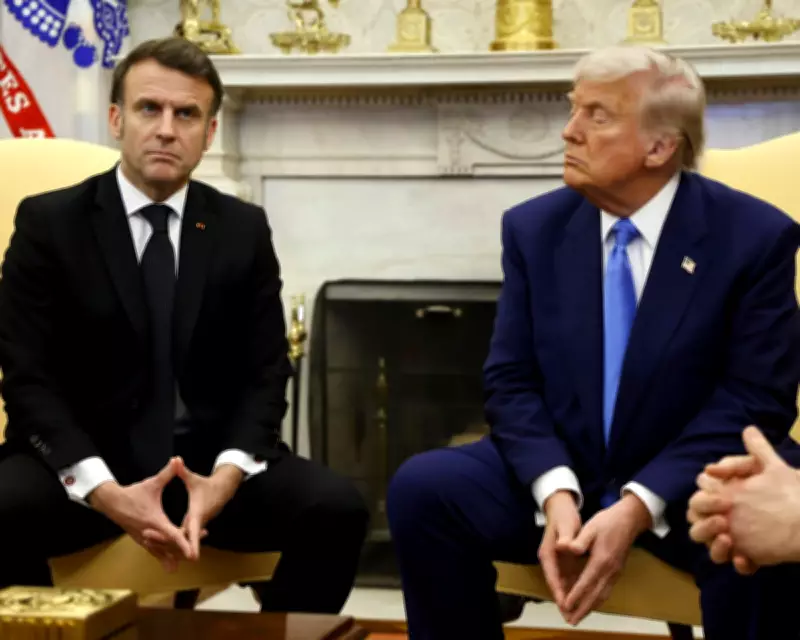
In a dramatic escalation of transatlantic tensions, former US President Donald Trump has unleashed a blistering tirade against European nations that have declined to participate in the ongoing war against Iran. Using his Truth Social platform, Trump specifically targeted the United Kingdom and France, telling governments concerned about soaring fuel prices to "go get your own oil" through military force in the Gulf region.
European Pushback and Diplomatic Surprise
The office of French President Emmanuel Macron expressed "surprised" reaction to Trump's statements, emphasizing that Paris "has not changed its position since day one" of the conflict. This diplomatic friction comes as several European countries have taken concrete steps to distance themselves from the war effort.
France has blocked Israeli planes from transporting weapons through its airspace, while Italy refused last-minute permission for US bombers to land at Sigonella base in Sicily. Spain has already denied the United States use of its bases and airspace, with Defense Minister Margarita Robles stating Madrid "would not accept lectures from anyone" regarding its commitment to peace.

Strait of Hormuz: A Critical Flashpoint
Trump's comments specifically addressed the strategic Strait of Hormuz, through which approximately one-fifth of the world's oil passes. He suggested that countries dependent on this waterway, including the United Kingdom, should "build up some delayed courage, go to the Strait, and just TAKE IT."
US Secretary of Defense Pete Hegseth echoed this sentiment during a press conference, questioning why the "big, bad Royal Navy" couldn't secure the critical waterway. However, military analysts widely consider plans to control the strait by force as high-risk and unrealistic, with European nations having worked for years on alternatives including increased US oil purchases.
Economic Fallout and Global Concerns
The conflict has created significant economic disruption globally, with Irish Taoiseach Micheál Martin describing the oil supply shock as "probably the worst ever." Average US gas prices have surpassed $4 per gallon for the first time in four years, creating potential domestic political challenges for the Trump administration.
Spot prices for Brent crude oil briefly dropped below $104 per barrel after Iranian President Masoud Pezeshkian indicated Tehran had the "necessary will" to end hostilities under certain conditions. However, the situation remains volatile with continued military actions including US strikes on Isfahan and Iranian attacks on Kuwaiti oil tankers.
NATO Relations and Future Implications
US Secretary of State Marco Rubio raised questions about NATO's future utility, suggesting Washington would examine whether the alliance has become a "one-way street" where America defends Europe but receives limited support in return. This comes as European powers demonstrate increasing willingness to assert independent positions despite their traditional alliance with the United States.
The conflict has claimed more than 3,000 lives and continues to destabilize global markets at a time of persistent inflation and economic uncertainty. As diplomatic efforts continue through channels including Pakistan and China's joint peace proposal, the rift between the United States and its European allies appears to be widening over fundamental questions of international law and military cooperation.