The spectre of Donald Trump continues to loom large over American politics, raising a profound question for the nation as it moves towards the 2026 midterm elections: is the United States witnessing the birth of a Trump political dynasty? A recent in-depth audio analysis revisits this compelling theme, examining the mechanisms of power, loyalty, and legacy that could cement the Trump name as a permanent fixture on the political stage.
The Foundations of a Modern Political Dynasty
The concept of a political dynasty is not new to America, with names like the Kennedys, Bushes, and Clintons echoing through its history. However, the Trump phenomenon presents a distinct model. Unlike traditional dynasties built over generations within the political establishment, the Trump influence is centred on a singular, disruptive figure whose brand transcends conventional party politics. The analysis probes how this personal brand is being leveraged and institutionalised, creating a powerful movement that could outlast the man himself.
Key to this potential dynasty is the network of staunchly loyal figures who have risen to prominence under Trump's banner. The discussion highlights how these individuals, often characterised by their unwavering allegiance to Trump's persona and policy approach, have secured positions of significant influence at local, state, and federal levels. This creates a resilient infrastructure that operates with considerable autonomy yet remains ideologically tethered to the Trump core.

The Role of Family and Succession
A critical pillar of any dynasty is succession. The analysis carefully considers the roles of Trump's adult children, particularly Donald Trump Jr. and Ivanka Trump, who have been visible and vocal surrogates. While they have not yet sought elected office themselves, their political activism and fundraising prowess are immense assets. They serve as keepers of the flame, capable of mobilising the base and shaping the narrative in a way few others can.
Furthermore, the investigation looks beyond immediate family to the broader "Trumpist" ecosystem. Figures like Marjorie Taylor Greene and Matt Gaetz are cited as examples of politicians who have built their identities and careers around amplifying Trump's themes, suggesting the dynasty may be less about direct bloodline and more about ideological inheritance. This diffusion of power could make the movement more adaptable and durable, even as it faces internal factions and rivalries.
Implications for the American Political Future
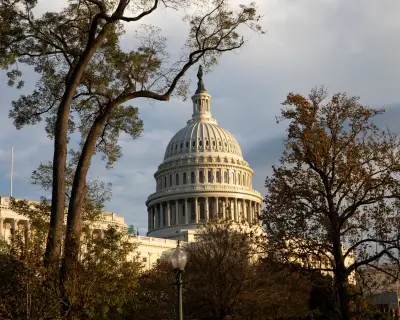
The consolidation of a Trump-centric political force has profound implications for the Republican Party and American democracy. The analysis suggests the GOP is undergoing a fundamental transformation, where loyalty to Trump and his style of politics is becoming a primary litmus test for candidates, potentially sidelining more traditional conservative voices. This creates a party structure where the centre of gravity is firmly located within the Trump orbit.
For the broader democratic process, the rise of a personality-driven dynasty challenges norms around policy, governance, and accountability. When political identity is so deeply intertwined with one family or figure, policy debates can become secondary to displays of personal loyalty. The discussion warns that this could lead to increased political polarisation and a weakening of institutional checks and balances, as the primary allegiance for many is to the dynasty leader rather than to constitutional principles.
As the United States looks ahead to future election cycles, the question of the Trump dynasty remains open but urgent. The movement has demonstrated remarkable resilience and an ability to dominate news cycles and primary elections. Whether it evolves into a true multi-generational dynasty akin to those of the past, or represents a unique, volatile chapter in political history, its impact on the fabric of American politics is already undeniable and will likely shape the nation's trajectory for years to come.