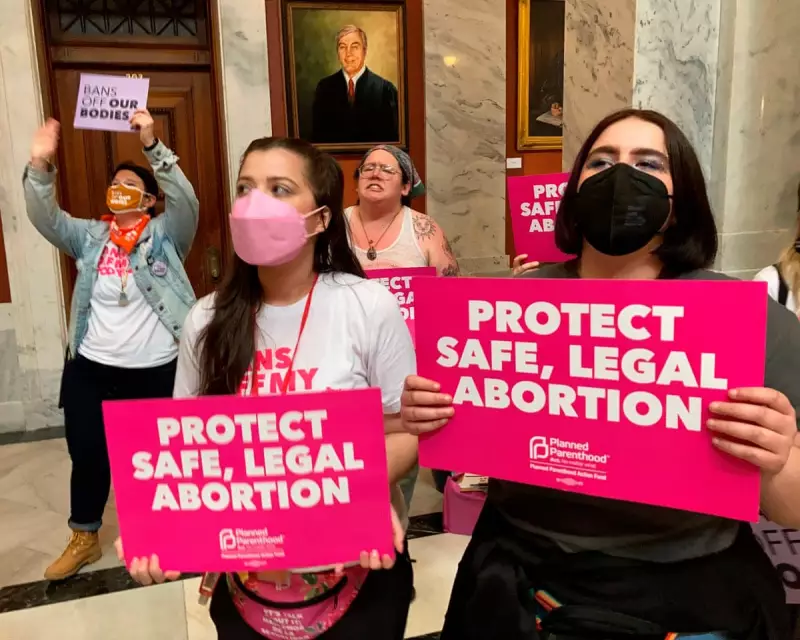
In a case that underscores the complex and often harsh legal landscape facing American women since the fall of Roe v Wade, a Kentucky woman has been arrested and charged with fetal homicide after allegedly inducing her own abortion.
Charges and Arrest Details
Melinda S. Spencer, 35, was taken into custody by Kentucky State Police on Thursday, 13 April 2022. She was booked into a jail in Beattyville and remained there as of the following evening. The charges against her are severe: fetal homicide in the first degree, abuse of a corpse, and tampering with physical evidence.
According to reports from the Lexington Herald Leader, Spencer allegedly ordered medication online to terminate her pregnancy. Police described the fetus as "developed," though the exact gestational age was not specified. After the procedure, she is said to have buried the remains in her backyard.

The Legal Grey Area of Self-Managed Abortion
Kentucky law is unequivocal in banning doctors from performing abortions at any point after conception. However, the state, like most others, does not explicitly outlaw individuals from self-managing their own abortions. Medical experts widely agree that using pills to end a pregnancy in the first trimester is safe.
Since the US Supreme Court overturned Roe v Wade in 2022, ordering abortion pills online has become increasingly common. Data from the research group #WeCount indicates that by the end of 2024, one in four abortions involved online consultations and mailed pills, with tens of thousands occurring in states with active bans.
Despite this, women continue to face criminalisation for pregnancy outcomes. Research from the reproductive justice group Pregnancy Justice found that in the two years after Roe fell, 412 people were prosecuted for pregnancy-related crimes. Of these, 16 involved homicide charges.
A Pattern of Criminalising Pregnancy Loss
Advocates argue that cases like Spencer's are part of a broader push to establish "fetal personhood," a doctrine granting embryos full legal rights that can conflict with those of the pregnant person. Healthcare workers often become the source for police investigations; in 264 of the 412 cases documented by Pregnancy Justice, information disclosed in a medical setting triggered legal action.
"Rather than meeting a pregnancy loss with care, with support... we are meeting it with criminal suspicion, with criminal investigation and with prosecution," said University of Tennessee law professor Wendy Bach in a 2024 interview.
This pattern is not isolated. Police in Georgia arrested a woman found bleeding and unconscious after a miscarriage. Another in Ohio was arrested after miscarrying into a toilet. Both cases were later dropped.
In Spencer's case, police involvement reportedly began after she spoke about her pregnancy to clinic staff. Officials from Kentucky State Police declined to comment due to the recent holidays, and a jail official stated Spencer's attorney had advised her not to speak to media or law enforcement.