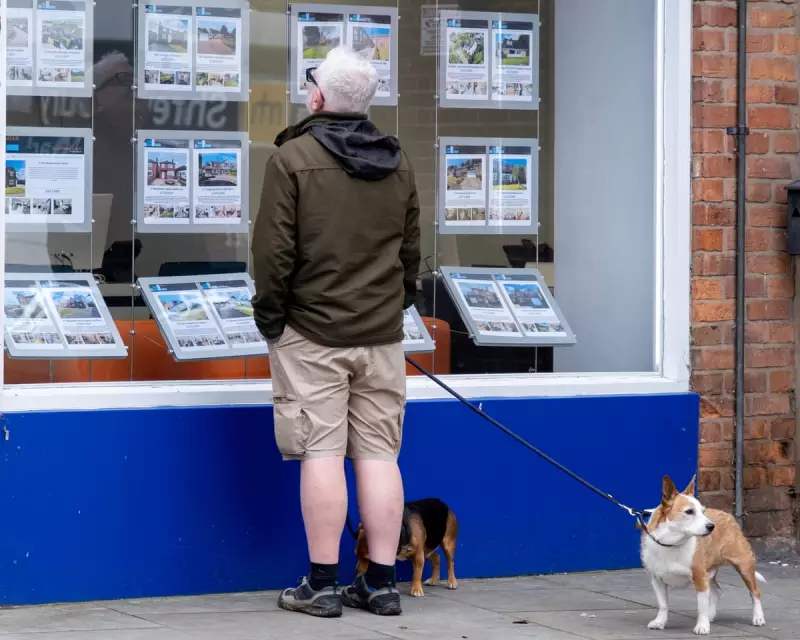
The UK property market has kicked off the new year with a significant surge, recording its most substantial monthly asking price increase in a decade. According to fresh data from the property portal Rightmove, the average price tag on a British home leapt by almost £10,000 in the space of just five weeks.
A New Year Bounce Driven by Renewed Confidence
Rightmove attributes this sharp uplift largely to a resurgence of optimism among sellers. The market had previously stalled due to intense speculation about potential property tax reforms in the government's November budget, which led many buyers and sellers to pause their plans. The subsequent budget announcement, which introduced a council tax surcharge for English homes valued over £2 million—dubbed a 'mansion tax'—was less punitive than many had feared.
This, coupled with a Bank of England interest rate cut just before Christmas, provided a dual boost to market sentiment. Jeremy Leaf, a north London estate agent and former RICS residential chair, noted that buyers and sellers "breathed a collective sigh of relief" post-budget, with activity now "definitely on the up, buoyed by falling mortgage rates and inflation."

The Numbers Behind the Headline Surge
The figures are striking. Rightmove's data, drawn from tens of thousands of properties listed between 7 December and 10 January, shows the average new seller asking price rose by 2.8% or £9,893 month-on-month. This pushes the typical asking price to £368,031.
This increase represents:
- The largest rise recorded in the month of January in 25 years.
- The biggest monthly jump in any month since June 2015.
The revival in activity is clear. In the two weeks following Christmas, buyer demand surged by 57% compared to the fortnight before, while the number of new homes listed for sale jumped by an impressive 81%.
Regional Variations and the First-Time Buyer Challenge
However, the national headline figure masks considerable regional disparities. While the East of England saw above-average growth of 3%, the East Midlands and Scotland bucked the positive trend, recording monthly price falls of 0.6% and 0.4% respectively.
For prospective first-time buyers already grappling with affordability, this rapid price inflation will be unwelcome news. Colleen Babcock, a property expert at Rightmove, offered some context, noting that asking prices "are only back to where they were in the summer of 2025, before the budget rumours began surfacing."
This upbeat snapshot from Rightmove contrasts with the most recent figures from major mortgage lenders Halifax and Nationwide, which both reported UK house price falls in December. The divergence highlights that asking price optimism does not always immediately translate into agreed sales prices.
In a related housing market development, separate data from estate agent Hamptons showed that average private rents in Great Britain ended 2025 slightly lower than they started—the first full-year decline in their records dating back to 2011.