London's Temporary Housing Crisis Deepens as Campaign Calls for Basic Standards
London's boroughs are being urged to commit to ensuring six fundamental living standards in temporary accommodation, as new analysis reveals the crisis is escalating across nearly every part of the capital. Data from London's Poverty Profile, obtained by the Local Democracy Reporting Service, shows that 24 out of 32 boroughs—equivalent to three-quarters—have experienced a year-on-year increase in households placed in temporary housing.
Overall, the number of households in temporary accommodation across London has surged to 76,000, marking a ten per cent rise from the previous year. Alarmingly, two-thirds of these households include children, highlighting the severe impact on families. Temporary accommodation, which councils are legally required to provide to homeless families while they await permanent homes, often consists of cramped bed and breakfasts or hostels, frequently lacking essential amenities.
The 'Five Basics' Campaign: A Push for Dignity
A new campaign, Fix the Five Basics, is calling on every council in London to guarantee that all households in temporary accommodation have access to five core necessities: kitchen facilities, laundry facilities, storage space, WiFi, and clear information about their housing situation. Campaigners argue that many of these properties are essentially shells, forcing residents into dire circumstances.

Residents often find themselves eating takeaway meals nightly due to a lack of stoves or microwaves, washing clothes in bathtubs without laundry access, children falling behind in school without WiFi for homework, and living out of bin bags with no storage space for belongings. Albinia Stanley, coordinator of the Fix the Five Basics campaign, emphasized to the Local Democracy Reporting Service: "Families in temporary accommodation are living without the basics the rest of us take for granted. Cooking facilities, laundry, Wi-Fi, storage, clear information: these are not big asks."
She added, "Some London councils have already started delivering them. We're calling on every candidate standing in May's elections to pledge to fix the five basics in their borough. This is a chance to make a real difference."
Personal Stories and Broader Impacts
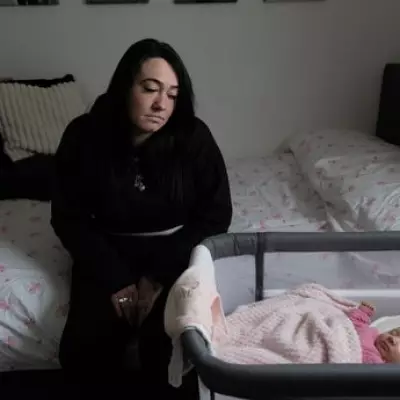
Faith, a mother of two who has lived in temporary accommodation since 2022—her name changed for privacy—shared her experience: "Many people like me are raising their children without these basics for months or even years. Without these basics it's hard to survive, let alone rebuild your life and get back on your feet. But it doesn't have to be this way."
Campaigners warn that deprivation of any of the five basics can severely affect families, leading to difficulties in meal preparation, educational setbacks for children, financial strain from storing belongings, and emotional distress due to unclear information about rights and relocation timelines. In Newham, six per cent of all households are in temporary accommodation—the highest rate in the country and over ten times the English average. Other boroughs with rates far above the national figure include Westminster (3.4 per cent), Lambeth (3.2 per cent), Southwark (3.0 per cent), and Hackney (2.8 per cent), compared to London's average of around two per cent.
Expert Insights and Political Responses
Samuel Thomas, senior policy adviser at anti-poverty charity Z2K, stated: "Tackling London's temporary accommodation crisis has never been more urgent, with our advisers supporting increasing numbers of families trapped without access to the essentials we all need to get by." Z2K's research indicates that denying the Five Basics worsens health, increases costs, and reduces chances of escaping homelessness.
When questioned about temporary accommodation conditions in 2023, Mayor of London Sadiq Khan told Assembly Members: "I recognise that councils are finding it increasingly difficult to secure temporary accommodation, but it must be of decent condition." He has also emphasized that creating more genuinely affordable homes is the long-term solution to the crisis.

However, a contentious housing rule allows local authorities to deem someone 'intentionally homeless' if they refuse a housing offer deemed 'unreasonable,' often forcing Londoners into temporary accommodation in distant cities like Birmingham, Manchester, Newcastle, and Middlesbrough for years. Reports detail cases where residents are told to accept long-distance offers or face discharge from council housing duties, leaving them homeless.