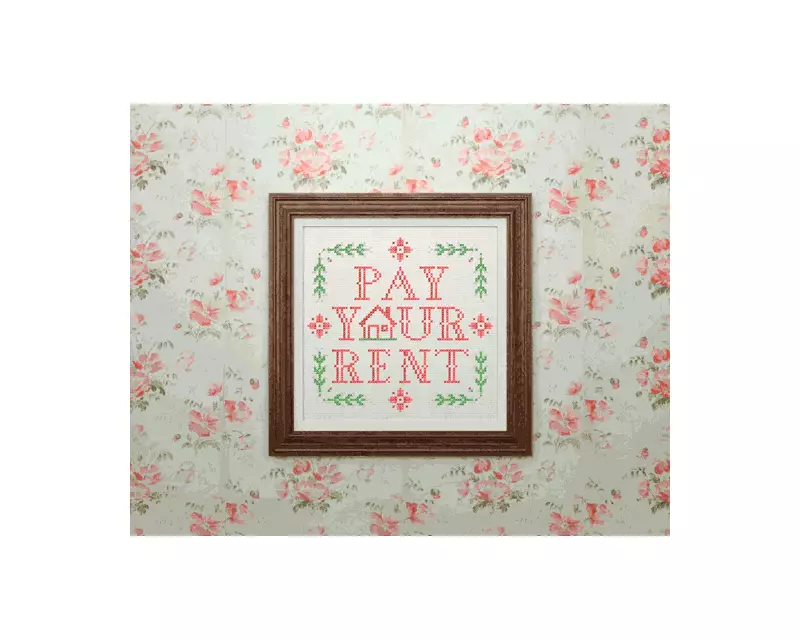
In the grip of a severe affordable housing crisis, an increasing number of Britons are turning to a seemingly perfect solution: renting a room from a friend. This arrangement, however, creates a new dynamic – the 'friendlord' – which can strain relationships with power imbalances, escalating demands, and even unfair evictions.
The Blurred Lines Between Friend and Tenant
Rachel's experience is a cautionary tale. After being made redundant, she returned to her hometown and moved into a spare room offered by her childhood friend, Maya, who owned her three-bedroom home. Rachel paid market rent, grateful for the help.
Over time, however, the dynamic shifted. Rachel found herself doing more than her share of housework, adhering to strict house rules like no laundry in common areas and avoiding strong cooking smells. The breaking point came when a faulty door lock broke. Despite a locksmith confirming it was a building fault, Maya blamed Rachel and charged her for the repair.

"I realised what had been obvious the whole time," Rachel says. Maya treated her as a friend only when it suited her; otherwise, she was just a tenant. Rachel moved out soon after, her friendship irreparably damaged.
A Rising Trend Driven by Financial Pressure
This scenario is becoming increasingly common. According to flatsharing website SpareRoom, there was an 89% increase in homeowners taking in lodgers over the three years to January 2024, driven by the soaring cost of living. In London, the average room now costs £1,000 a month, pushing renters and homeowners alike into these informal arrangements.
For lodger Emily, who moved in with a childhood friend three years ago, the 'mates' rates' rent is a bargain. Yet, she struggles to feel at home. "I'm always very aware of myself," she admits, keeping her photos off the fridge and avoiding confrontation over missing food. An unspoken hierarchy even dictates the bathroom towel rail. "No friend should know how much toilet paper the other uses," Emily quips, highlighting the uneasy intimacy.
Others, like Helen, have found a safer path. Renting from a friend who lives with her partner, Helen's friend was "very by the book," drawing up a formal agreement, registering the deposit, and consulting landlord advice lines. "Because it's done in a formal, official way, it helps me to separate her as a friend and as a landlord," Helen explains, providing crucial peace of mind.
The Power Imbalance and Legal Vulnerabilities
The friendlord, in the more powerful position, also faces challenges. Tim, who rents his flat to a friend, is determined not to become a "shit landlord." He charges 25-50% below market rate, is proactive with repairs, and is mindful of the imbalance. "While the bricks and mortar are my asset, it is his home," he states.
However, the risks for the lodger are significant. Journalist Alice Wilkinson, author of How to Stay Sane in a House Share, notes that without mutual understanding, the landlord-tenant dynamic can overwhelm the friendship. One woman she interviewed became her live-in landlady's personal chef, feeling compelled to comply due to the power dynamic.
At worst, friendlords can be exploitative. Eimear moved in with a friend-of-a-friend, only for the owner to list the other rooms on Airbnb while travelling, leaving Eimear living with strangers. "I had renters' rights, but I didn't feel I could exercise them because we were 'friends'," Eimear says. When she voiced concerns, she was evicted on New Year's Eve.
Critically, lodgers have fewer legal rights than tenants. As Nye Jones, head of campaigns at Generation Rent, warns, lodgers sharing their landlord's primary residence are more vulnerable to rent increases and are not covered by the deposit protection scheme. "The landlord can even just change the locks," Jones says, noting such an act would likely end the friendship too. "It's difficult to come back from a lock change."

While renting from a friend can offer a temporary, affordable haven in a brutal market, experts advise treating it with caution. Clear, formal agreements and a conscious effort to separate the personal from the professional are essential to prevent a financial arrangement from costing a priceless friendship.