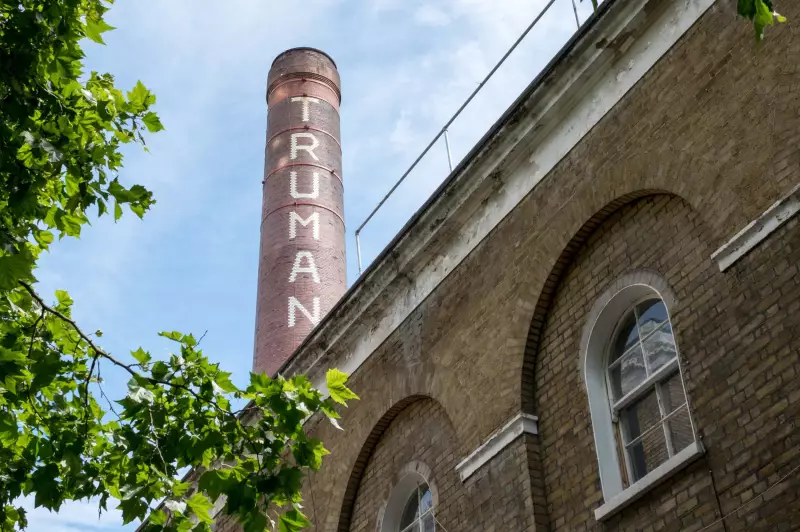
Plans for a radical redevelopment of Brick Lane's legendary Truman Brewery have ignited a fierce debate in East London. The building's owners are pushing to transform the iconic cultural landmark into a data centre, alongside new flats and retail space, a move met with widespread local opposition.
A Cultural Hub Under Threat
At the heart of Brick Lane, the Truman Brewery stands as a symbol of the area's vibrant, eclectic character. Once London's largest brewery, it now hosts bustling food and vintage markets, independent record stores, and popular music venues. This unique ecosystem, which draws in locals, tourists, and trendsetters alike, could be fundamentally altered by the new proposals.
The building's owners, the Zeloof family, acting through Truman Estates and developer Grow Places, have for years sought planning permission from Tower Hamlets Council. Their latest application, submitted in 2025, outlines a scheme to convert part of the site into a data storage facility. The plan also includes the construction of 44 new flats, with 11 of these designated as social housing, and the creation of new retail units.

National Policy vs. Local Grid Strain
The proposal arrives amid a national drive to fast-track data centre development. In October 2025, the government classified such projects as 'nationally significant infrastructure', vowing to smooth the approval process. However, this push creates a direct conflict in a capital already grappling with a severe housing shortage and strained electricity infrastructure.
The London Assembly warned in December 2025 that an insufficient electricity supply was delaying new home construction. Previous incidents, like the 2022 pause on developments in Hillingdon, Hounslow, and Ealing due to data centre power demands, highlight the tangible risk. The Assembly notes a single large data centre can consume power equivalent to tens of thousands of homes.
Grow Places has estimated the Brick Lane server would require four megawatts of power, significantly less than larger facilities but adding to cumulative pressure on the grid. This tension places the government's twin goals of digital growth and housebuilding on a collision course.
Planning Battle Reaches Secretary of State
The local planning journey has been fraught. Tower Hamlets Council refused the application in July 2025. However, the decision was subsequently 'called in' by the Secretary of State for Levelling Up, Housing and Communities, Steve Reed, during an inquiry in October. This action transfers the final verdict to the minister's desk, bypassing local authority refusal.
Opposition is spearheaded by the Save Brick Lane campaign group, active since 2020, which has launched a petition against the data centre plan. The group has presented a rival community-backed proposal focusing on residential need, suggesting a redevelopment with 300 homes, including 44 social housing units.
The fate of the Truman Brewery now hangs in the balance, representing a microcosm of wider London struggles: preserving cultural identity, addressing the housing emergency, and accommodating the infrastructure of a digital economy, all within the limits of an overburdened city.