An urgent call has been made for improved support for kinship carers across England and Wales, as a leading charity reveals the extreme sacrifices families are making to keep children out of the care system.
Sleeping on Sofas to Keep Families Together
According to the charity Kinship, approximately 141,000 children in England and Wales are being raised by relatives or close friends because their parents are unable to care for them. However, a profound lack of financial and practical support is pushing many of these families into severe hardship.
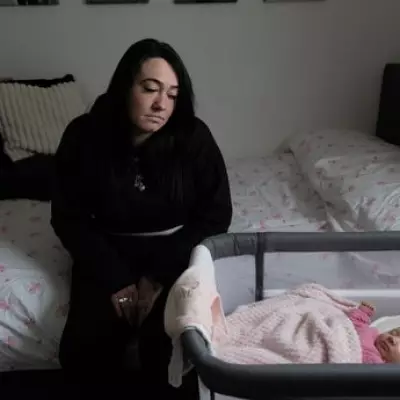
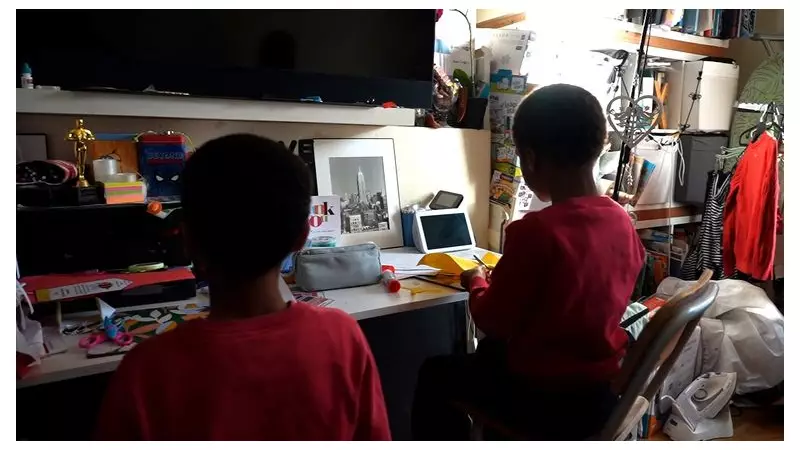
Sky News has witnessed cases where carers are sleeping on unsuitable sofa beds so the children in their care can have a proper bedroom. Leasa, who took in her two nephews with special needs five years ago, exemplifies this struggle. She and her partner Oly have given up their own bedroom and now sleep on a pull-out sofa in their living area, an arrangement that has caused Leasa significant back and neck pain.

"We are on top of each other," Leasa explained. "We're sleeping, eating, watching TV, everything, in the family area." She pointed out the poor condition of their mattress, stating anyone sitting on it would "literally sink."
Data from Kinship indicates that one in five kinship carers report that either they or a child are sleeping in unsuitable conditions due to a critical lack of space and support.
The Financial and Emotional Toll on Carers
The financial burden is staggering. With recent estimates suggesting it costs around £250,000 to raise a child to age 18, kinship families are often left to shoulder this cost alone. Unlike foster carers, most kinship carers are not entitled to a regular financial allowance or dedicated support.
This policy gap has devastating consequences. Nash, a midwife from Essex, took in her three nieces and nephews after her sister died from cancer in May 2024. Faced with an employer that had no leave policy for kinship arrangements—offering only unpaid time off—she was forced to quit the job she loved after 16 years.
"It's sad because losing my job feels like another big loss," Nash said. Lucy Peake, chief executive of Kinship, condemned the situation as "outrageous," noting that carers are "spending savings and pensions, or going into debt" while making daily sacrifices for children who have experienced trauma.
Reforms on the Horizon for Kinship Support
There may be hope for change on the horizon. The UK government is set to trial Family Network Support Packages, designed to provide funding and practical help to extended families with caring responsibilities. Furthermore, new legislation is due to be introduced that would require local councils to set out clear support for these carers.
A Department for Education spokesperson said their ambitious reforms to children's social care aim to "help keep more families together safely." Meanwhile, in Scotland, where kinship care accounts for 35% of placements away from home, proposals have been published to establish consistent and fair support for kinship families.
The stories from Leasa, Oly, and Nash highlight a care system at a crossroads, where the love and commitment of family members are too often met with institutional neglect, forcing them into poverty to protect the children they cherish.