IOC's Transgender Athlete Ban Ignites Global Human Rights and Scientific Controversy
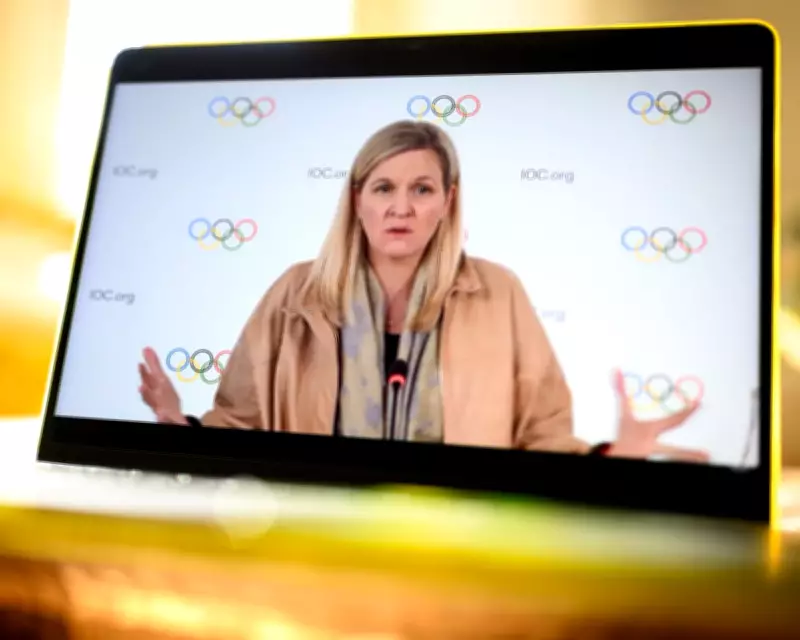
Human rights experts and scientific communities worldwide are raising alarm over the International Olympic Committee's recent decision to implement a ban on transgender athletes in women's events. The new guidelines, announced by IOC president Kirsty Coventry during a live-streamed press briefing, mandate genetic sex tests for all athletes in women's categories and impose blanket bans on individuals identifying as transgender, intersex, or with sex differences. This move has been met with fierce criticism from over 100 human rights, sports, and scientific organizations, including the United Nations, which argue that the policy is a blunt and discriminatory response lacking scientific support and violating international human rights law.
Reversal of Progressive Policies Sparks Outrage
The IOC's decision marks a stark reversal from its 1999 abolition of mandatory sex testing, which was previously deemed arbitrary, inaccurate, expensive, and discriminatory. Under the leadership of new president Kirsty Coventry, the organization has backflipped on its own 2021 Framework on Fairness, Inclusion, and Non-Discrimination—a policy developed through extensive consultation and research that advocated for evidence-based, sport-specific, and rights-respecting rules. Critics assert that this shift undermines decades of progress toward gender equality in sports.
Professor Paula Gerber, an international human rights lawyer at Monash University, emphasized, "Mandatory genetic sex testing and rigid biological criteria as a condition for participation in the women's category violates fundamental and universal human rights, including the right to equality, non-discrimination, dignity, privacy, and bodily autonomy." She added that binary definitions of sex reinforce harmful stereotypes and erode substantive gender equality, as noted by several UN independent experts.

Scientific and Legal Challenges Mount
The new guidelines were developed by a committee that has not publicly shared the scientific data informing their position. During the press conference, Coventry claimed that all women athletes would be tested for the SRY gene, a method multiple medical experts have labeled unreliable and reductive. Dr. Ada Cheung, a professor of endocrinology at the University of Melbourne, criticized the move, stating, "The IOC's mandate risks undermining evidence-based policy and athlete wellbeing, while diverting attention from real priorities in women's sport." She cited data showing that transgender women on gender-affirming hormone therapy are not meaningfully different from cisgender women in performance-related measures and often face disadvantages.
Since 1999, only one transgender woman, Laurel Hubbard of New Zealand, has competed in Olympic events without placing in her event. The new guidelines are expected to disproportionately affect intersex athletes and those with sex differences, including cisgender women, with women of color likely targeted due to appearance biases. Human rights lawyer and former Olympic swimmer Nikki Dryden warned, "This impacts every girl playing Australian sport today. If adopted, it could subject daughters to sex testing just to participate, creating a culture where bodies are policed and no woman or girl is truly safe." She noted that the guidelines conflict with Australia's Sex Discrimination Act and safeguarding obligations.
Mixed Reactions from Sports Authorities
In contrast, Australian Olympic Committee president Ian Chesterman expressed support for the new guidelines, offering counseling and support to affected athletes. He stated, "This is a challenging and complex subject, and we approach it with empathy and understanding. The decision provides clarity for elite female athletes and demonstrates a commitment to fairness, safety, and integrity in Olympic competition." Australia's chef de mission for the 2028 Los Angeles Games, Anna Meares, commended the IOC for taking the lead, emphasizing protection for female athletes at the highest level while acknowledging the pain caused by the decision.

The AOC plans to work with the IOC and member sports to fully understand the new policy's workings. As debates intensify, the IOC's guidelines highlight ongoing tensions between inclusivity and competitive fairness in global sports, with potential legal and integrity risks looming for organizations that adopt similar measures at grassroots levels.