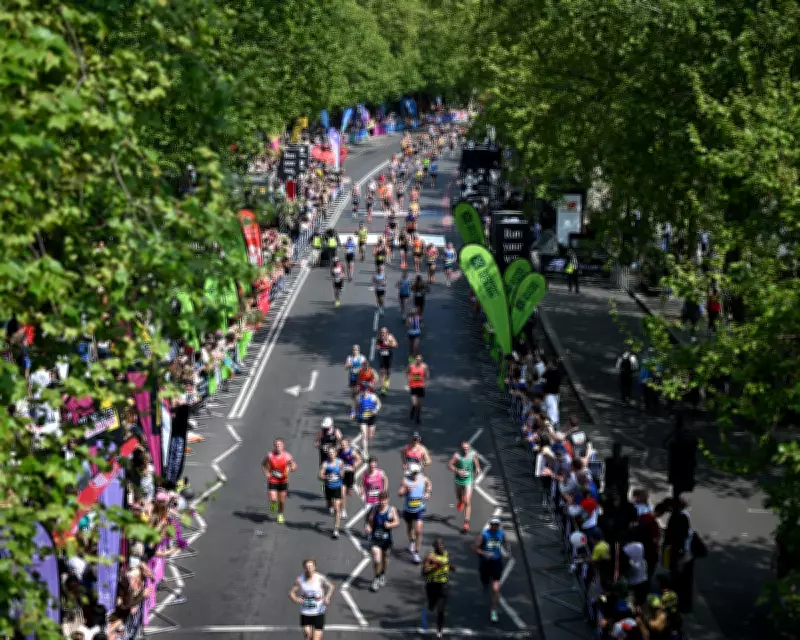
The London Marathon has long been a highlight of the sporting calendar, but this year's event reflects a broader cultural shift towards running. With a record number of participants and spectators, the marathon underscores the growing popularity of running as both a competitive sport and a recreational activity.
Record Participation
More than 50,000 runners took to the streets of London, a significant increase from previous years. This surge is attributed to a post-pandemic fitness boom, with many people taking up running during lockdowns and continuing the habit. The marathon's inclusive atmosphere, welcoming elite athletes and charity runners alike, has contributed to its appeal.
Community Engagement
The event also saw unprecedented community involvement, with thousands of volunteers and spectators lining the route. Local businesses and running clubs organized cheer points and support stations, fostering a sense of collective achievement. This engagement highlights how running has become a social activity, connecting people across demographics.

Broader Fitness Trends
The London Marathon's growth mirrors a global trend in running culture. According to recent surveys, running is now one of the most popular forms of exercise worldwide, driven by its accessibility and health benefits. The marathon serves as a platform for promoting physical activity and mental well-being, with many participants running for charitable causes.
- Increased participation in parkrun and other community runs
- Rise of running clubs and social media communities
- Growth in running-related apparel and technology
As the marathon continues to evolve, it remains a testament to the enduring appeal of running. The event not only celebrates athletic achievement but also fosters a sense of unity and purpose among participants and supporters alike.