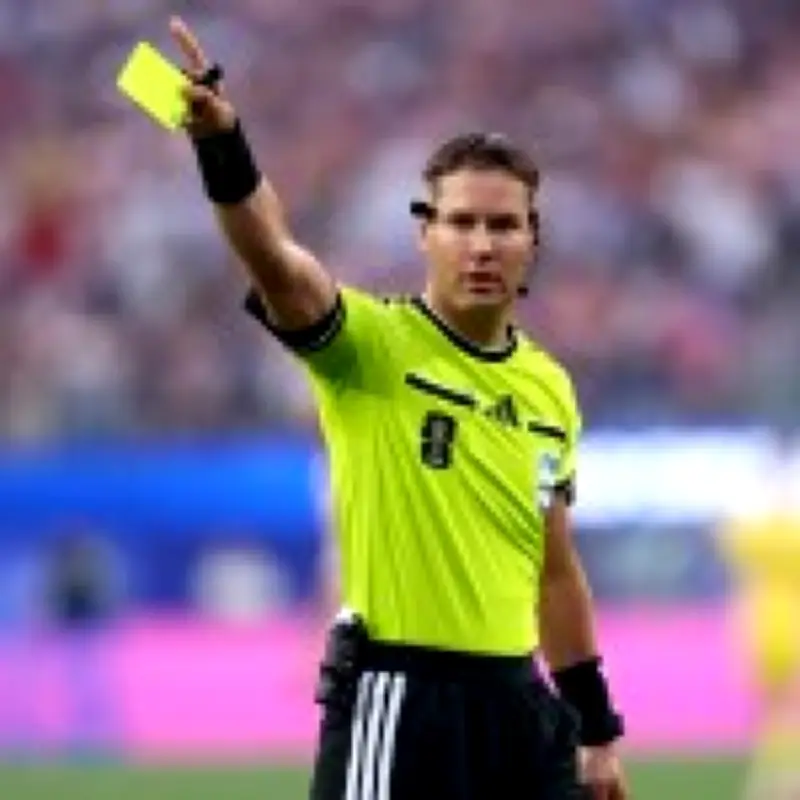
FIFA has implemented new yellow card suspension rules for the 2026 World Cup, which features an expanded 48-team format. The key change is that yellow cards are now wiped after the group stage and again after the quarter-finals, meaning players who received a single booking in the group stage will not face suspension if they are cautioned in the Round of 32.
How do the yellow card rules work?
Yellow cards are reset after the group stage and after the quarter-finals. This means a player who picked up a yellow card in the group stage will not be suspended if they receive another yellow in the Round of 32. However, if a player is booked in both the Round of 32 and Round of 16, they will miss the quarter-final. Similarly, a yellow in the Round of 32 or Round of 16 followed by another in the quarter-final results in a semi-final suspension. A yellow card in the semi-final does not carry over to the final, ensuring only a red card in the semi-final can rule a player out of the title match.
How many games do players miss with a red card?
A red card, whether straight or from two yellows, results in an automatic one-match suspension for the team's next game, regardless of the tournament stage.

Can yellow and red cards be appealed?
Yellow cards cannot be appealed. Red cards resulting from a second yellow are also not appealable. The only exception is straight red cards, which can be appealed to FIFA within a limited timeframe after the match. A successful appeal can overturn the card, but the appeals committee may also extend the ban if violent conduct is involved.
This rule change provides relief to players like England's Declan Rice, who received a yellow card in the group stage draw with Ghana. The amnesty after the quarter-finals ensures that no player misses the final due to accumulated yellows.