Australia secured a commanding 4-1 Ashes series victory over England, yet the triumph has prompted a period of introspection rather than pure celebration. While the hosts take away the bragging rights, the performance has raised several pressing questions about the team's composition ahead of a historically busy 18-month schedule featuring up to 21 Tests.
Top Order Reshuffle and Middle Order Vacancy
The most successful tactical shift of the summer was undoubtedly the promotion of Travis Head to open the batting. His explosive 69-ball century in the second innings at Perth set the tone for the series. Head finished as the leading run-scorer with 629 runs at a stunning strike-rate of 87.36, potentially solving Australia's long search for an assertive opener.
Conversely, debutant Jake Weatherald failed to cement his place, managing just one half-century and averaging 22.33. His technical flaws were exposed, leaving his future uncertain with younger players like Campbell Kellaway waiting in the wings.

The anticipated retirement of Usman Khawaja has created an unexpected vacancy in the middle order, not at the top. While Marnus Labuschagne reclaimed his spot, Matt Renshaw has staked a strong claim with back-to-back Sheffield Shield centuries and consistent Big Bash form, putting pressure on Josh Inglis who did not impress in his two Tests.
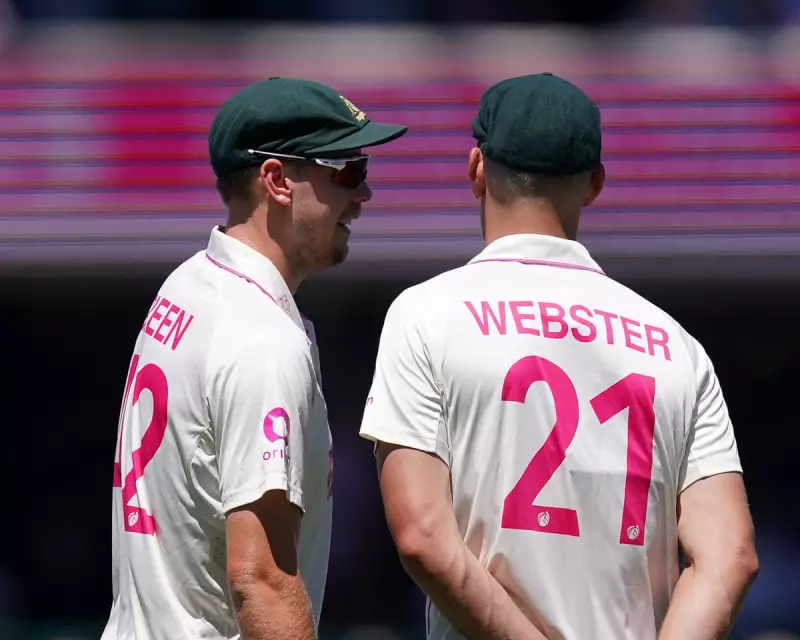
The All-Rounder Conundrum: Green vs Webster
A major selection headache brewing for the Australian think-tank revolves around the all-rounder's role. Cameron Green had a modest series, scoring 171 runs at an average of 24.42 and taking only four wickets at a costly 70.75 each. His continued potential is yet to translate into consistent Test match performance.
His rival, Beau Webster, made a compelling case in his sole opportunity during the Sydney Test. After Green's soft dismissal, Webster composed a stylish, unbeaten 71 to build a match-defining lead. At 32, Webster appears a finished product, offering reliable batting and more-than-handy off-spin, presenting a genuine challenge to Green's established position.
Bowling Depth and the Spin Question
Australia's pace stocks emerged stronger despite injuries to Pat Cummins and Josh Hazlewood. Mitchell Starc was devastating, claiming 31 wickets at 19.93, while Scott Boland played all five Tests for 20 wickets. The emergence of Michael Neser and the return of Jhye Richardson provide enviable depth.
The spotlight, however, falls sharply on the future of spin bowling. Nathan Lyon, now 36, was used sparingly and his long-term successor is unclear. Todd Murphy, with seven Test caps, was not trusted on a turning Sydney pitch, while Matt Kuhnemann and Sheffield Shield standout Corey Rocchiccioli await their chances. Identifying and bedding in a frontline spinner is a critical task.
As the team swiftly moves on to the T20 World Cup, the lessons from the Ashes will inform selections for the upcoming Test series against Bangladesh in August and the subsequent tour of South Africa. The victory was comprehensive, but the path to maintaining dominance is lined with significant decisions on personnel and strategy.