A recent article in the Guardian has sparked a passionate debate among readers about the diverging fortunes of cricket in England and Australia. The discussion, prompted by Emma John's analysis, paints a stark picture of a sport at a crossroads in its homeland while thriving as a national obsession Down Under.
A Tale of Two Cricket Cultures
Emma John's piece, published on 9 January, argued that while Australia embraces cricket with "constant public displays of affection," England has ruthlessly privatised the game. Readers from both sides of the world have largely echoed this sentiment. Chris Smith from Exeter noted that during visits to Australia, locals often offer a sympathetic "Sorry about the cricket, mate" upon hearing his accent. He observes this is not gloating, but genuine puzzlement at England's frequent failures to deliver a promised contest.
Smith expands on John's analysis, stating that in Australia, cricket is accessible to all, either to watch or play. In stark contrast, he believes the sport in England has become elitist. He cites the disappearance of free-to-air TV coverage, prohibitive costs for attending matches, and the eroded importance of the county game as a training ground. Despite the loyal support of groups like the Barmy Army, Smith warns cricket has become a minority sport, and "the poorer for it." His stark conclusion is that until the game is opened up, the national team will struggle, and "one day we may really be marking the death of English cricket."

The Participation Crisis and a View from Abroad
Richard Houghton from Manchester supports this view with a telling local observation. He contrasts his experience visiting India in 2014, where every patch of wasteland hosted a cricket game, with his daily life in England. In eight years of walking his dogs in a Manchester park, he notes the artificial cricket strip is used fewer than four times a summer, while football pitches are in constant use. For Houghton, this is clear evidence that "Cricket in England is dying as a participation sport."
The perspective from Australia is equally revealing. Simon Cavenagh from Sydney acknowledges John's article as "enlightening" and respectful. However, he points to a perceived arrogance from England and its fans, referencing pre-series boasts of a 5-0 victory over the "worst Aussie team ever" and the infamous behaviour in the Long Room at Lord's in 2023. For Cavenagh, Australia's subsequent victory was a satisfying rebuttal: "There was no better feeling than sending them packing."
A Beloved Australian Summer Ritual
In a more nostalgic contribution, Anthony Wood, who immigrated from England 44 years ago, describes cricket as a "constant delight" integral to Australian summer. He poetically captures the scene: "a late summer afternoon, golden light, long shadows and an Australian batsman striding into the middle at the Sydney Cricket Ground." For him, this vision, as much as the beach or a barbecue, signifies home, and he hopes it continues long into the future.
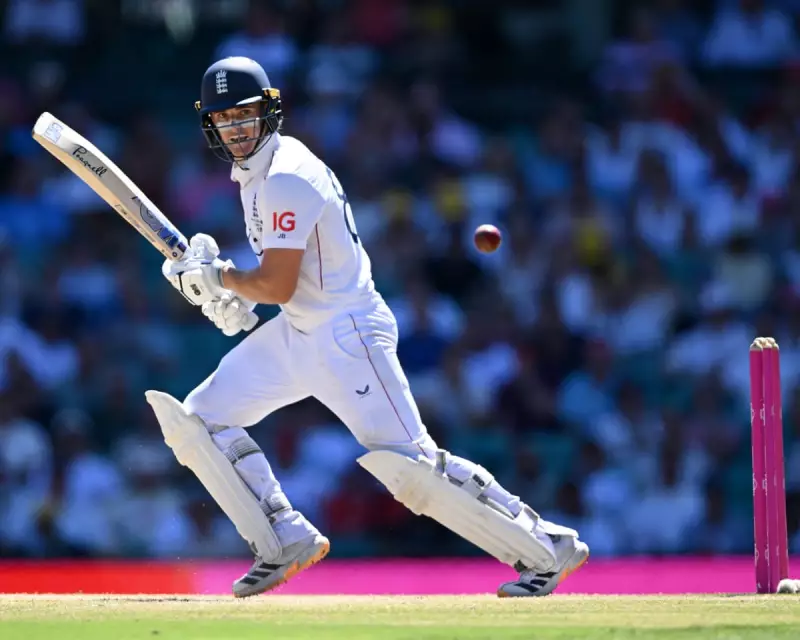
The letters were published alongside an image of Jacob Bethell on his way to a maiden Test century at the Sydney Cricket Ground on 7 January, a visual reminder of the talent and occasions the debate ultimately centres upon. The collective response from readers suggests a deep concern for the health of English cricket, framing its future as dependent on reconnecting with the public in the way its Australian counterpart seemingly has.