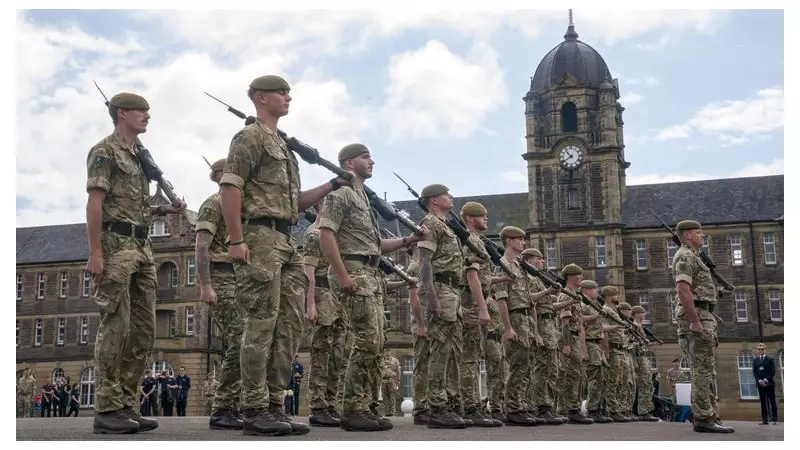
In a significant shift for Britain's defence posture, the government has introduced measures that will see military veterans remain liable for recall into service until the age of 65.
Expanding the Strategic Reserve
The new Armed Forces Bill, presented to the Commons on Thursday 15 January 2026, aims to bolster the nation's preparedness for potential conflict. It will raise the maximum age for recall from the current limit of 55 to 65, tapping into a wider pool of experienced former personnel.
The legislation is designed to increase the size of the UK's "strategic reserve". This force comprises the 'ex-regular reserve'—veterans who retain a service liability—and a broader 'recall reserve' for emergency scenarios. An estimated 95,000 people are currently part of this strategic reserve, though official figures for the recall reserve are not published.

Lower Threshold for Mobilisation
A key change in the bill lowers the legal threshold for calling up reservists. They can now be mobilised for "warlike preparations", a broader condition than the previous requirement of a "national danger, great emergency or attack on the UK".
Lieutenant General Paul Griffiths, commander of the Standing Joint Command, strongly endorsed the reforms. He stated they would allow the armed forces to mobilise the "wealth of expertise" held by veterans "when it matters most". "As the threat to our nation grows, we must ensure our armed forces can draw on the numbers and skills required to meet it," he added.
Timeline and Opt-In Provisions
The changes are scheduled to take effect from spring 2027. Crucially, they will not apply automatically to personnel who have already left the military. Those individuals must voluntarily opt into the new system to become liable for recall under the extended age limit.
The Ministry of Defence said the policy mirrors the "innovative" use of reserves by Ukraine following Russia's invasion and reflects a growing emphasis on reserve forces among NATO allies. The bill forms part of a wider push to enhance UK military capabilities amidst escalating global threats.
Alongside this legislative change, the government is exploring other avenues to boost recruitment. This includes a new military gap year scheme for under-25s, set to launch in March, aimed at fostering interest in armed forces careers among teenagers.