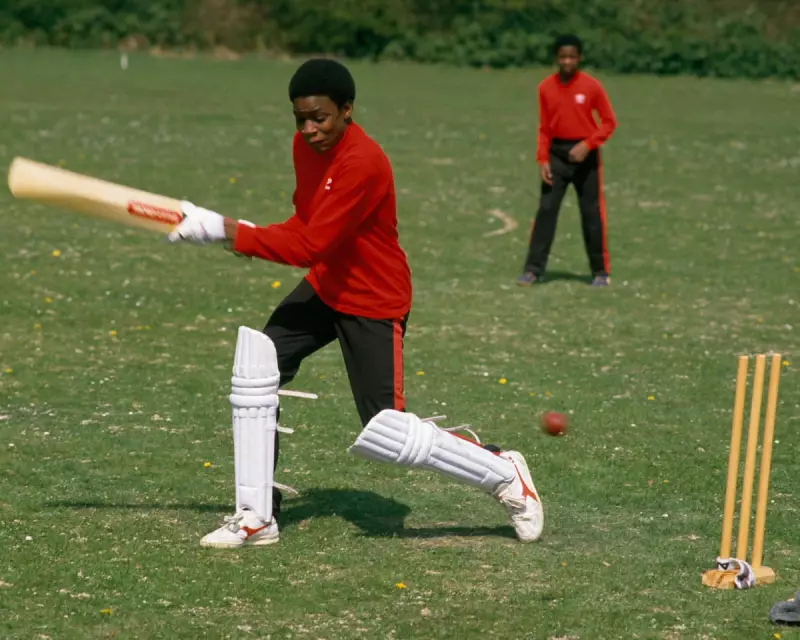
For decades, a vibrant network of Caribbean cricket clubs thrived across England, nurturing the talents that would shape the modern game. Their story, however, was at risk of fading into obscurity. Now, a groundbreaking new project and book have brought this crucial chapter of sporting and social history back into the light.
The Wandering Sides: A Hidden Sporting Network
In the early 1980s, scores of clubs with evocative names like New Calypsonians, Island Taverners, and Carib United played across the country. Operating largely under the radar, these were often wandering sides, renting municipal pitches outside formal league structures. With few physical records, their history began to vanish as their numbers plummeted from the late 1990s onwards.
Thankfully, dedicated work has begun to preserve their legacy. The Windrush Cricket Project, sponsored by University College London, has led to the creation of the Caribbean Cricket Archive. This database records the Caribbean clubs that have existed in the UK since the first recognisably West Indian team, Leeds Caribbean CC, was formed in 1948.

Documenting a Vital Legacy
So far, the archive has logged 130 clubs, from Cowley West Indians in Oxford to Brixton Beehives in London. Michael Collins, the UCL associate professor of history behind the project and the new book Windrush Cricket, believes the final number may rise to 150 or more. "By the 1980s the Windrush generation had evolved a vast structure of black cricket clubs and black Caribbean cricketing talent," Collins states with certainty.
This network was the essential breeding ground for many of the first black cricketers to represent England. Stars like Devon Malcolm (Sheffield Caribbean), David Lawrence (Bristol West Indians), and Michael Carberry (Old Castletonians) all emerged from this grassroots system.
More Than a Game: Social Hubs and Safe Spaces
Collins argues these clubs were far more than just sporting outfits. From the 1950s to the late 1990s, they were a primary vehicle for Caribbean communities to establish a foothold in British society. Created partly in response to exclusion from existing teams, they provided new arrivals with a safe space to play and became crucial hubs for "self-help, support services and the development of social capital." For later generations born in the UK, they often served as a refuge from racism.
The dramatic decline of these clubs since the late 1990s is attributed to shifting societal factors and the waning prowess of the West Indies Test team, which once inspired young black Britons. Collins concludes a revival in numbers is unlikely. However, the work of the archive ensures the immense contribution of these clubs to English cricket and community life will now be properly remembered and appreciated.