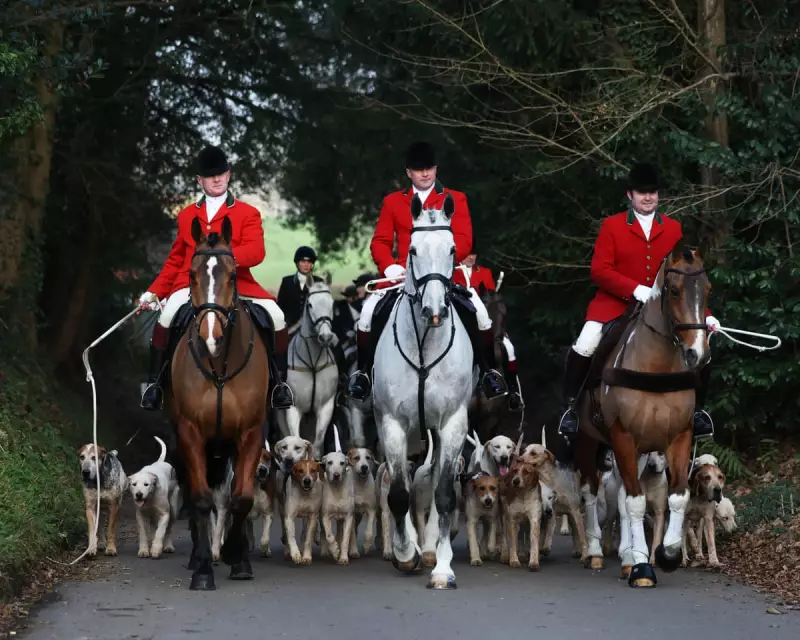
The traditional Boxing Day spectacle of riders gathering in the Kent countryside has ignited a fresh debate over the future of trail hunting in the UK. Following a report on Labour's plans to ban the practice, readers have penned passionate letters to the editor, arguing that a blanket prohibition is an illogical overreach that alienates rural communities.
The 'Collective Punishment' Argument
In a sharply worded response, correspondent Lindsay Gilmour from Plymouth drew a direct parallel between banning trail hunts and other forms of collective punishment. "If the government is going to stop all trail hunts because some break the law," Gilmour writes, "can we also expect a ban on supermarkets because some people shoplift, a ban on cars because some drivers break the speed limit, or a ban on religion because some worshippers are extremists?"
This core argument frames the proposed ban as a disproportionate response, suggesting it penalises the many for the alleged actions of a few. Gilmour further challenges Westminster to focus on more pressing national issues.

Historical Context Challenged
Adding a layer of historical correction, Roderick White of Chiswick, London, took issue with the reported origins of trail hunting. The original article suggested the practice was created in response to the Hunting Act 2004, which outlawed hunting wild mammals with dogs.
White counters this, stating it "would be news to, among others, followers of the Mid-Surrey Draghounds, which were in existence in the 1950s." This point aims to establish trail hunting as a long-standing equestrian activity in its own right, rather than merely a legal loophole or recent invention.
A Rural Community on the Defensive
The letters collectively underscore the deep-seated tension between proposed urban-led legislation and rural traditions. The debate extends beyond animal welfare into issues of community identity, legal philosophy, and the perceived fairness of lawmaking.
The image of the Old Surrey Burstow and West Kent Boxing Day meet in Chiddingstone, Kent, serves as a potent symbol of the tradition under threat. While the letters section presents these specific arguments, it reflects a wider, heated discourse on the future of countryside pursuits and the reach of the Hunting Act.