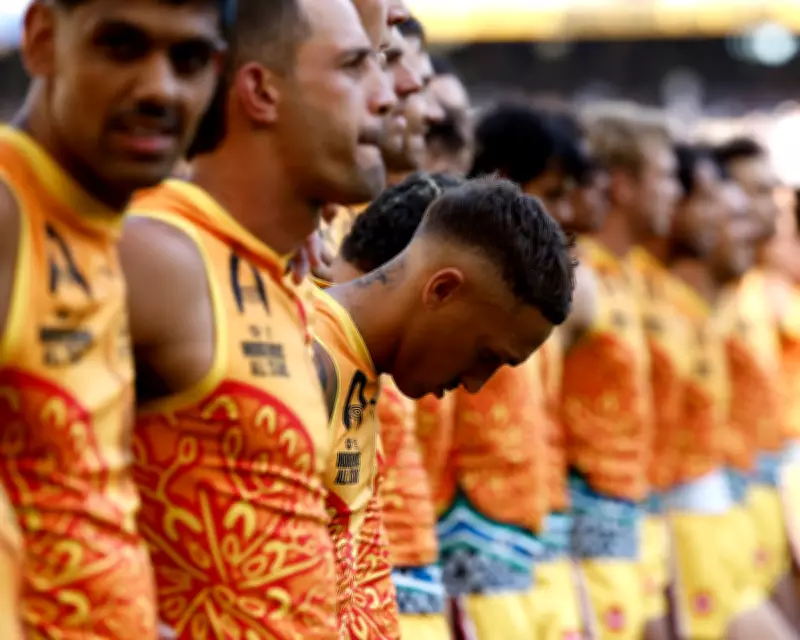
AFL Confronts Alarming Drop in Indigenous Player Participation
The Australian Football League (AFL) is currently facing a critical challenge as the number of Aboriginal and Torres Strait Islander players in the men's competition has plummeted to its lowest point in two decades. In 2020, there were 87 Indigenous players, but by 2025-26, this figure has dropped to just 62, representing an approximate 30% decline. This stark reduction has left the league, clubs, and players' union scrambling to understand and address the underlying causes.
Historical Context and Modern Struggles
The legacy of trailblazers like Bill Dempsey, the first Northern Territory player to grace the MCG, underscores the rich history of Indigenous contributions to the sport. Dempsey's career, spanning over 500 games and earning him an MBE, paved the way for future stars. However, today's players face unique pressures that extend beyond the field. The transition into professional football often involves significant sacrifices, including disconnection from community, country, and kinship networks, which can take a heavy toll on mental and emotional well-being.
Family dynamics and historical traumas, such as the Stolen Generations, magnify these challenges, making decisions about pursuing or leaving the game deeply principled rather than signs of weakness. As one Indigenous premiership player starkly noted, "the only reason the club cared about me is if I got the pill."

Systemic Issues and Lack of Cohesion
The decline is not due to a lack of skill or desire among Indigenous players. Instead, it stems from inadequate support systems at club levels and a fragmented approach from the AFL administration and players' union. When players feel unsupported, misunderstood, or unsafe, they often disconnect, leading to harmful stereotypes that label them as unable to handle pressure or lacking discipline.
Cases like Willie Rioli, Liam Jurrah, and Sydney Stack have been framed through a deficit lens, suggesting Indigenous players need salvation rather than addressing the need for a more cohesive and culturally safe ecosystem. The AFL's First Nations Strategy, aimed at increasing player numbers, risks failure without measurable outcomes and genuine cultural engagement.
The Impact of Recent Events and Future Directions
The COVID-19 pandemic exacerbated these issues by disrupting junior competitions, particularly in regional and remote areas where pathways to elite football are already fragile. Additionally, the ghost of Adam Goodes looms large; his experience of being run out of the code has left many Indigenous players feeling vulnerable. At a 2022 summit, players expressed fear that if Goodes could be targeted, so could they, highlighting a lack of demonstrative support from the league.
To reverse this trend, robust data collection and deep cultural engagement are essential. The AFL must move beyond platitudes and implement concrete actions to ensure the legacies of pioneers like Dempsey and Goodes are honored and expanded. Without a unified and proactive approach, the decline in Indigenous participation threatens to undermine the diversity and richness of Australian rules football.