Chelsea's Pathetic Fine for Abramovich-Era Payments Puts Tierney Row in Shade
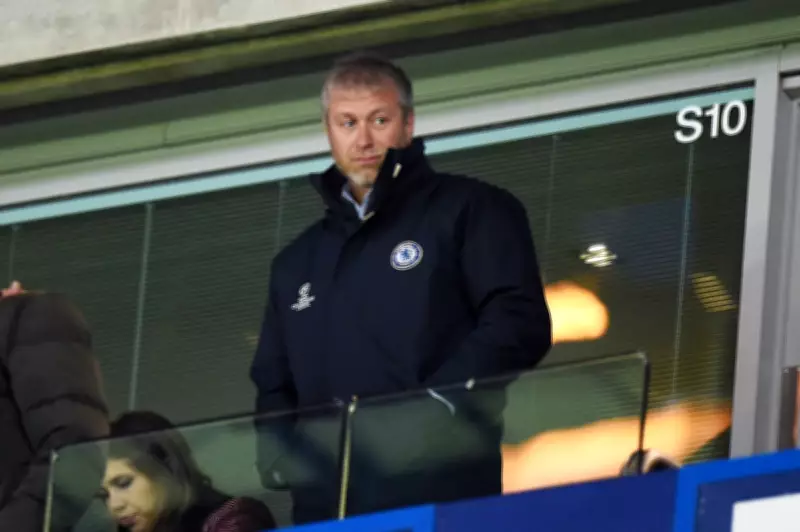
The bizarre huddle of Chelsea players around referee Paul Tierney last week has captivated football fans, but it should not distract from a far more significant issue: the Premier League's light punishment for financial deception during the Roman Abramovich era. While the huddle sparked debates about on-field psychology and dominance, the real story lies in the league's decision to fine Chelsea just £10.75m and impose a suspended transfer ban for deliberate, undeclared payments.
The Huddle: A Disturbing Display of Pitch Mogging
The image of Chelsea players forming a circle around Tierney on the centre spot remains haunting. Initially explained as superstition—they did it before a win in Naples—it evolved into a symbol of visual domination, akin to "frame mogging" in online culture. This act of "pitch mogging" invaded personal space and provoked unease, reflecting deeper issues within the club's culture. However, manager Liam Rosenior's odd responses, such as describing a conceded goal as "an assignment was missed," pale in comparison to the financial scandal.
Financial Deception: A Light Punishment for Serious Offences
The Premier League's investigation revealed Chelsea admitted making undeclared payments totalling over £47.5m to unregistered entities and agents between 2011 and 2018. These payments smoothed signings of key players like Eden Hazard, David Luiz, and Nemanja Matic, materially enriching the club at others' expense. The verdict notes deception and concealment, yet the punishment seems pathetically light. A £10.75m fine and suspended ban are minimal consequences for actions that skewed competitions.

Chelsea's self-reporting is highlighted in the verdict, but this is naive. The new owners had a £150m malfeasance fund built into the purchase price, with leftovers potentially returned to Abramovich after five years. Reporting was a free hit, not genuine accountability. This fudge glosses over the scale of largesse, with critics arguing medals won during this period are tainted by cheating.
The Abramovich Legacy: Frozen Funds and Unanswered Questions
Beyond the fine, deeper questions persist about who bought Chelsea and the aftermath of its sale. Roman Abramovich was forced to sell the club after Russia's invasion of Ukraine, with the UK government labeling him a "Kremlin-connected oligarch." Four years on, the £2.4bn from the sale remains frozen in a Barclays account, as the government considers legal action over missed distribution deadlines. The Jersey attorney general is investigating whether these funds involve criminal proceeds.
Abramovich denies Kremlin connections and criminal allegations, but the era's impact is undeniable. Chelsea's transformation under Todd Boehly into a "BlueCo asset" feels like a distinct sanction, with the club now seen as a silly team or investment brand rather than a pure football entity. This creepiness adds to the Premier League's diminished credibility.
Premier League's Diminished Credibility
The league's handling of Chelsea's case, coupled with delays in Manchester City's charges, damages public confidence. In 11 of the past 15 seasons—coinciding with Chelsea's payments era—the title has been won by teams accused or convicted of cheating, with no sanctions on trophies or points. Some argue the Premier League is being political to avoid conflicts, especially with City's legal battles draining resources. However, this approach undermines the sport's integrity.
Ultimately, while the Tierney huddle provided a fleeting spectacle, Chelsea's light fine for Abramovich-era payments highlights systemic issues in football governance. The Premier League must address these to preserve trust, or risk becoming a league where financial deception goes unpunished.