Pep Guardiola's Sartorial Shift: More Than Just Touchline Fashion
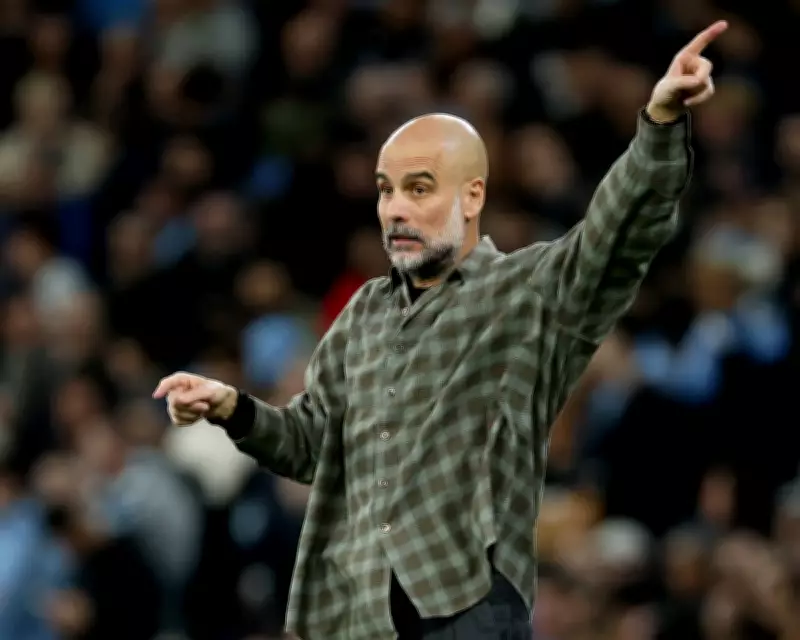
When Manchester City manager Pep Guardiola faced Real Madrid last week, his £270 flannel shirt from Swedish brand Our Legacy stole more headlines than his team's Champions League exit. This grunge-inspired piece consumed post-match discussions, overshadowing tactical analyses and raising questions about whether football's most successful modern manager has hired a stylist.
The Evolution of Managerial Wardrobes
Guardiola's recent stylistic pivot represents a significant departure from traditional football management attire. Historically, managers had two options: the tracksuit-and-cap ensemble of the training ground sergeant, or the formal suit-and-tie combination suggesting distance from players. This binary began dissolving in the mid-1990s with Arsène Wenger's arrival at Arsenal.
Wenger's cerebral, professorial look evolved into his iconic long sports coats, which became streetwear staples. José Mourinho followed with a different approach entirely - his Armani suits and perfectly tied scarves projected louche authority that masked his teams' ruthless pragmatism. Both managers used clothing to communicate specific identities: Wenger as intellectual, Mourinho as star.

Guardiola's Fashion Journey Through Football
Guardiola has always demonstrated fashion awareness, beginning with modeling for Catalan designer Antonio Miró during his Barcelona playing days. As Barcelona manager from 2008-2012, he adopted dark, sharp suits and a shaved head, resembling a footballing monk. At Bayern Munich (2013-2016), he largely disappeared into club kit, subsuming his personality to the German institution.
His Manchester City arrival in 2016 brought more culturally fluent but still utilitarian brands like Rick Owens, Stone Island, and CP Company. This season's shift to grunge flannels and herringbone tailoring suggests something different - a man possibly entering his management twilight, experimenting with identity through clothing.
The Psychology Behind the Wardrobe
Daniel-Yaw Miller, fashion and sports journalist and SportsVerse newsletter founder, observes that Guardiola's wardrobe evolution reflects a new career phase. "He's reached that point when people start thinking about years beyond management," Miller explains. "Style often communicates that transition - signaling readiness for more fun. With Pep specifically, the handbrake has come off."
Miller draws parallels with Formula One's Lewis Hamilton, who maintained cultural relevance through savvy dressing despite a poor racing season. "Football managers are neurotic, detail-obsessed people who leave nothing to chance," Miller notes. "It would be naive to think wardrobe choices fall outside their meticulous preparation."
Contrasting Premier League Managerial Styles
Guardiola's evolving aesthetic stands in stark contrast to his Premier League contemporaries. Former assistant Mikel Arteta aggressively pursues gravitas through quarter-zips and cashmere sweaters at Arsenal. Liam Rosenior faces mockery for pairing hoodies with suit jackets at Chelsea. Brighton's Fabian Hürzeler, younger than some players at 31, dresses like a student heading to the gym after lectures.
These divergent approaches highlight how managerial fashion communicates different relationships to the game. The tracksuit managers saw themselves as sergeants; Wenger as professor; Mourinho as celebrity. Guardiola now appears as something else entirely - a man who has won everything, perhaps recognizing that conversations about his clothing might prove more engaging than debates about his tactical prowess.
The Bigger Picture: What Managerial Fashion Signifies
Ultimately, a football manager's wardrobe makes statements about how he perceives both the game and his position within it. Guardiola's recent choices - particularly that £270 flannel shirt that overshadowed Champions League elimination - suggest a manager comfortable with shifting narratives. Having revolutionized English football tactics during his City decade, his final revolution might involve redefining touchline fashion possibilities.

Whether this represents genuine self-expression, a response to career twilight, or simply delegation to his Gen Z influencer daughter remains uncertain. What's clear is that in an era where every managerial detail receives scrutiny, clothing has become another language through which football's leading figures communicate their evolving identities.