Japan Clinches Third Women's Asian Cup Title with Narrow Victory Over Australia
In a dramatic showdown at Stadium Australia in Sydney, Japan secured their third Women's Asian Cup championship with a hard-fought 1-0 victory over host nation Australia. The match, played before a record crowd of 74,397 passionate fans, saw Japan's Maika Hamano score the decisive goal in the 17th minute, delivering heartbreak to the Matildas and their captain Sam Kerr.
Tense Final Matchup Between Historic Rivals
The 2026 Women's Asian Cup final represented the third consecutive championship meeting between these two football powerhouses, with Japan emerging victorious in all three encounters. Despite entering the tournament as clear favorites and Asia's only Women's World Cup winners, Japan faced their most significant challenge from an Australian side determined to claim their first Asian Cup title on home soil.
From the opening whistle, the Matildas demonstrated their attacking intent, with Mary Fowler creating an early opportunity that found Caitlin Foord in Japan's penalty area within the first minute. The Arsenal winger laid off to Sam Kerr, whose powerful shot forced an impressive save from Japanese goalkeeper Ayaka Yamashita.

Missed Opportunities Prove Costly for Australia
Australia's most dangerous attacking threats throughout the evening were undoubtedly Foord and Kerr, whose speed and physicality consistently troubled Japan's defensive line. The Matildas came agonizingly close to opening the scoring in the 10th minute when Fowler dispossessed veteran defender Saki Kumagai and delivered a precise cross to Foord, but the Australian forward mishit her shot directly at Yamashita.
This missed opportunity proved particularly costly just five minutes later when Japan, having weathered Australia's early pressure, struck the game's only goal. Maika Hamano expertly maneuvered behind Australian defender Alanna Kennedy, received a well-placed pass from midfield, and executed a perfect turn before curling the ball into the far bottom corner beyond the reach of diving goalkeeper Mackenzie Arnold.
Defensive Resilience and Near-Misses Define Second Half
Despite trailing by a single goal, Australia maintained their attacking intensity throughout the second half, creating numerous opportunities to equalize. Mary Fowler continued to orchestrate the Matildas' offensive efforts, delivering a particularly dangerous cross into the penalty area that narrowly evaded both Foord and Kerr before Japan's defense scrambled to clear the threat.
Japan nearly doubled their advantage when Hikaru Kitagawa's excellent cross found striker Riko Ueki, whose header sailed just wide of the post. Ueki, the tournament's leading scorer, had another promising opportunity minutes later when she sprinted onto a through-ball from captain Yui Hasegawa, but her shot was comfortably collected by Arnold.
Desperate Final Push Falls Short for Matildas
As the match entered its final stages, Australia intensified their pressure, maintaining sustained possession in and around Japan's penalty area. Coach Joe Montemurro made strategic substitutions, introducing Hayley Raso for the fatigued Katrina Gorry and later adding Emily van Egmond and Clare Wheeler to bolster the midfield.
Van Egmond came closest to equalizing in the closing minutes when Ellie Carpenter's driving run into the box resulted in a cutback pass to the veteran midfielder. However, both of her subsequent shots were heroically blocked by desperate Japanese defenders. In the 88th minute, Carpenter delivered another dangerous cross that found the head of Alanna Kennedy, who had been pushed forward as an emergency attacker, but Yamashita produced another crucial save to preserve Japan's lead.
The Matildas' final opportunity came during stoppage time when even goalkeeper Mackenzie Arnold joined the attack for a corner kick, but Japan's outstanding defensive unit bravely cleared the danger to secure their historic victory.

Historical Significance and Emotional Aftermath
This championship represents Japan's first major international trophy since 2018 and solidifies their status as Asia's premier women's football nation. For Australia, the defeat extends their wait for a first Women's Asian Cup title despite hosting the tournament before a record-breaking crowd that demonstrated the growing popularity of women's football in the country.
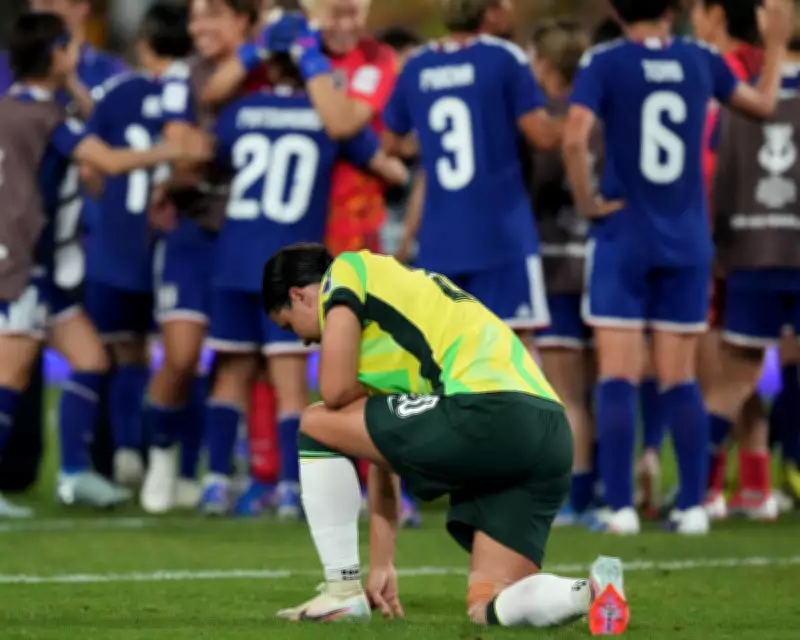
The emotional scenes at full-time captured the heartbreak of the Matildas, particularly captain Sam Kerr, who had led her team through an impressive tournament campaign only to fall short at the final hurdle. Meanwhile, Japan's players celebrated their third Asian Cup triumph, having demonstrated tactical discipline and defensive resilience against Australia's relentless attacking pressure throughout the ninety minutes.