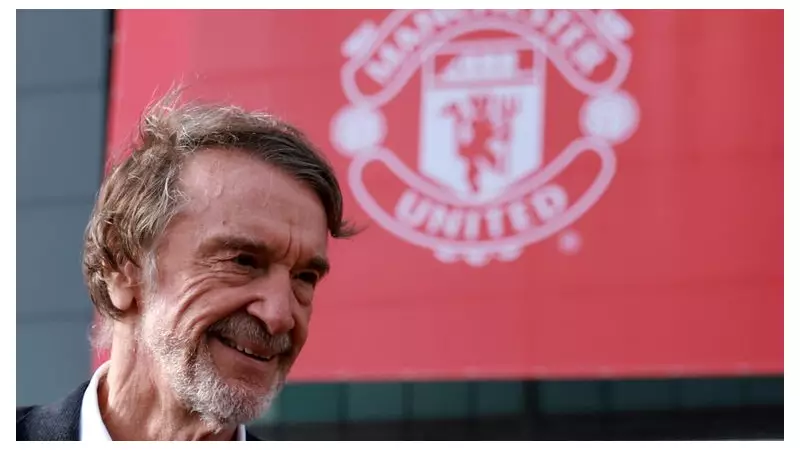
Manchester United have dismissed manager Ruben Amorim, plunging Sir Jim Ratcliffe's new-look football operation into fresh uncertainty less than two years after his INEOS group took over day-to-day control.
A Public Challenge That Backfired
The Portuguese head coach's tenure at Old Trafford unravelled rapidly following a public dispute with the club's hierarchy. After a 1-1 draw with Leeds on Sunday, Amorim used a news conference to contest his own job title, insisting he should hold the more powerful 'manager' role rather than the 'head coach' position he was appointed to in November 2024.
This act of defiance, coupled with ongoing tensions over transfer policy with director of football Jason Wilcox, proved the final straw. His exit mirrors that of Enzo Maresca at Chelsea last week, showing the perils of challenging leadership publicly.

Poor Results Seal the Fate
Amorim's departure was not solely down to boardroom friction. His 14-month reign failed to deliver any silverware and was marked by significant disappointments.
United finished a dismal 15th in the Premier League last season and suffered the humiliation of an August defeat to fourth-tier Grimsby Town in the League Cup. The nadir was a loss in the Europa League final to a struggling Tottenham side in May 2025.
Despite arriving with a trophy-winning pedigree from Sporting Lisbon, the 39-year-old could not translate that success to the Premier League, with questions mounting over his tactical approach.
A Club in Persistent Turmoil
Amorim's sacking means United are now seeking their seventh permanent manager since Sir Alex Ferguson's retirement in 2013. The club currently sits sixth in the table, with no clear path back to the summit of English football.
The mood at Carrington and Old Trafford is described as increasingly tempestuous. Sir Jim Ratcliffe's first major appointment has gone awry, and there is reported widespread unhappiness among staff over recent job cuts and cost-saving measures instituted by the new ownership.
This backdrop creates a major challenge in attracting a top-tier successor. Any prospective candidate will demand clarity on transfer funds and their level of control over squad building—the very issues that contributed to Amorim's downfall.
The sacking underscores that at Manchester United, disputes over power and philosophy can prove as decisive as results on the pitch, leaving Ratcliffe's fresh leadership facing an immediate and severe test.