Premier League Clubs Confront Sponsor Void as Gambling Ban Approaches
The conclusion of the Premier League season is rapidly approaching, yet a significant financial cloud hangs over numerous clubs. This uncertainty stems not from the customary multi-million pound investments in global talent, but from an impending vacancy in a crucial revenue stream that could materialize at the start of the next campaign.
The Voluntary Ban and Its Immediate Fallout
In a landmark 2023 decision, Premier League teams collectively agreed to a voluntary prohibition on gambling and casino brands appearing on the front of match shirts, effective from the 2026-27 season. This move creates a substantial challenge, given that half of the current clubs are sponsored by gambling or gaming entities. To date, only Bournemouth has officially announced a replacement, securing a deal with stadium sponsor Vitality, albeit on reduced financial terms.
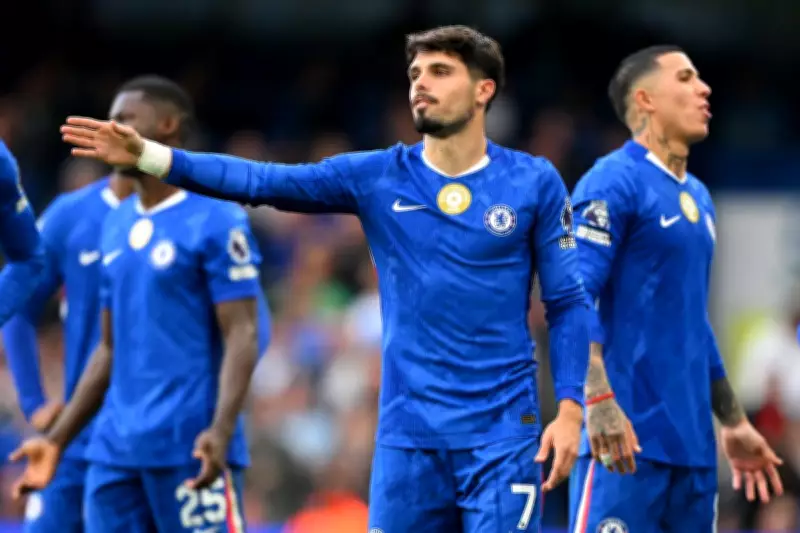
Industry reports indicate potential shifts elsewhere. Indeed is rumored to transition from Brentford's training kit to their primary shirt, while CMC Markets is reportedly evaluating opportunities with Everton and Fulham. Chelsea's recent experience highlights the volatility; they commenced the last three seasons without a front-of-shirt sponsor before finalizing an agreement with IFS.ai.

Market Dynamics and Strategic Insights
Oliver Pilgerstorfer, Chief Marketing Officer at IFS.ai, offers a nuanced perspective on the evolving sponsorship landscape. "The Premier League's policy change fundamentally alters market supply and demand," he explains. "It removes a cohort of companies that derived significant financial benefit from shirt sponsorship. Consequently, we anticipate diverse companies assessing clubs based on price, audience reach, and demographic alignment."
Pilgerstorfer notes that while IFS.ai's current agreement covers the remainder of this season, their status as a global partner for the next two seasons is confirmed, leaving future shirt sponsorship open.
Exploring New Sponsor Categories
Adam Raincock, co-founder of The Space Between Sports agency, emphasizes the urgency. "The clock is ticking," he states, identifying several promising sectors:
- Artificial Intelligence: A primary target for all clubs seeking cutting-edge associations.
- Cyber Security: A high-growth sector already engaged at partner levels, primarily through B2B strategies.
- Chinese Car Manufacturers: Brands like BYD and Omoda, which have gained substantial European market share and are active in sponsorship.
- Trading Platforms: Evolving from traditional football sponsors to target younger, consumer-focused audiences through technological fragmentation.
Tom Wilson, Head of Sport at HaysMac, proposes alternative avenues. "Retailers are well-positioned to leverage the synergy between Premier League footballers and fashion, sportswear, or lifestyle brands," he suggests. Despite economic challenges, ambitious retail moves could resonate in a dynamic market. Examples from the Championship, such as Birmingham with Undefeated and Norwich with Blakely, illustrate this potential.
A Call for Ambitious Partnerships
Alex Royce of Hope and Glory advocates for a paradigm shift. "Clubs must look beyond conventional fintech brands and target global luxury names like Gucci or entertainment giants like Netflix," he argues. "It's time for clubs to evolve from mere sports teams into full-fledged entertainment platforms."
Royce highlights the cultural convergence where players like Cole Palmer, Bukayo Saka, and Erling Haaland straddle both sports and fashion worlds. The Blokecore trend has transformed football shirts into fashion staples, while brands like Dior and Moncler have successfully integrated into football culture through off-pitch apparel. "Front-of-shirt sponsorship by luxury brands is the logical, albeit costly, progression," he concludes.

The Road Ahead
As the Premier League navigates this sponsorship transition, the global football community watches intently. Will clubs secure deals with airlines and technology firms, or will luxury retailers and Chinese automotive brands dominate the landscape? With time dwindling before the 2026-27 deadline, the resolution of this sponsorship puzzle will significantly influence club finances and fan experiences in the world's most-watched football league.