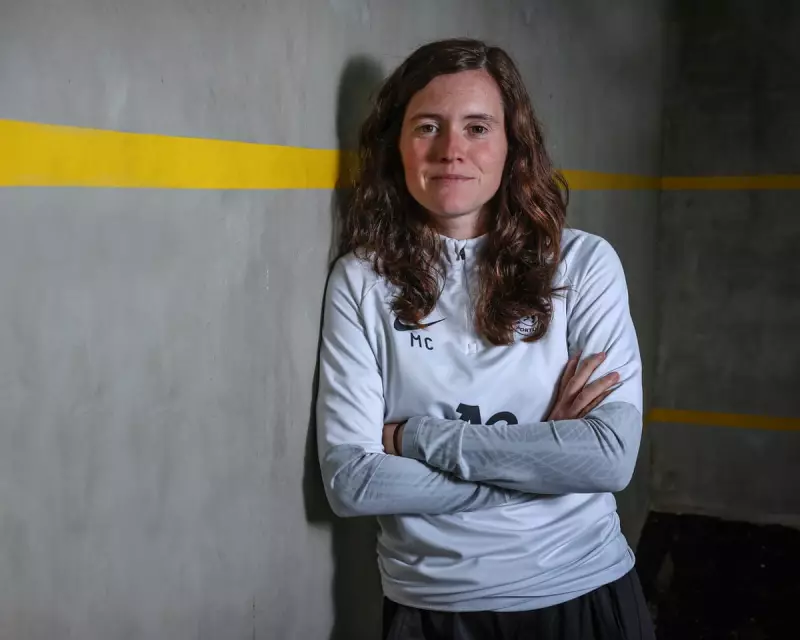
An experienced football coach with a prestigious CV has launched a stark warning, stating that systemic barriers in obtaining the game's highest qualification are causing a critical shortage of women in top coaching roles, with promising careers going 'down the drain'.
The Pro Licence Bottleneck
Mariana Cabral, the 38-year-old former manager of women's teams at Portuguese giants Benfica and Sporting, finds her career in limbo despite her accomplishments. She holds the Uefa A Licence but has been repeatedly unable to secure a place on a Pro Licence course, a qualification now increasingly demanded by elite women's clubs worldwide.
"We want more women coaches," Cabral stated. "Who won the Euros? Who won the Champions League? Women – but we are losing so many." Her frustration is palpable, having been forced to step back into an assistant role in the American NWSL after head coach offers in the US, Spain, and Saudi Arabia were withdrawn due to her lacking the Pro Licence.

Systemic Hurdles and Hidden Costs
Cabral identifies multiple flaws in the system. Firstly, she argues that admission criteria for Pro Licence courses, set by Uefa but adaptable by national associations, often prioritise experience in the men's game. Secondly, the number of course places has not expanded in line with the explosive growth of women's football, creating a severe bottleneck.
Further practical obstacles exist. The courses are prohibitively expensive, costing up to €15,000, and there is no centralised information system. Coaches must trawl through individual federation websites to check application windows, criteria, languages, and schedules.
While Uefa reports positive trends—noting the number of female coaches with Uefa badges rose to 25,000 in 2024, a 75% increase in eight years—Cabral counters the reality for those at the top. "The question that is always asked is: 'Why more women aren’t involved in coaching?' Well, because they try and they can’t," she said.
Personal Sacrifice and Wider Impact
Cabral's personal story underscores the sacrifice. She left her assistant coach contract at Utah Royals in December, hoping new experiences would improve her Pro Licence application chances after rejections from Portugal and Wales. "It takes at least a year to get your Pro Licence. I felt if I stayed here I would be comfortable but I would stay in the exact same place," she explained.
She is not alone. Cabral reports speaking to other assistant coaches in the US and Europe facing identical hurdles. The issue compounds for women who take career breaks, who then struggle to re-enter the system and may leave the profession altogether.
Her battle extends beyond qualifications. At Sporting, despite securing a historic Champions League qualifying win over Eintracht Frankfurt, she fought a daily struggle for basic resources. "Having to fight every day for basic conditions is tough... I’m talking about the basics, like a place to get dressed and a nice pitch," she revealed, citing the immense mental toll that contributed to her departure.
Uefa's coaching convention includes measures to improve diversity, reserving 10% of Pro Licence places for qualified female coaches. It also runs a women's coach scholarship scheme. However, Cabral's experience highlights a gap between policy and practice, where demand far outstrips supply, stifling the pipeline of female coaching talent at the very moment the women's game needs it most.