US Soccer Fans' Worries Over Pre-World Cup Losses May Be Unfounded
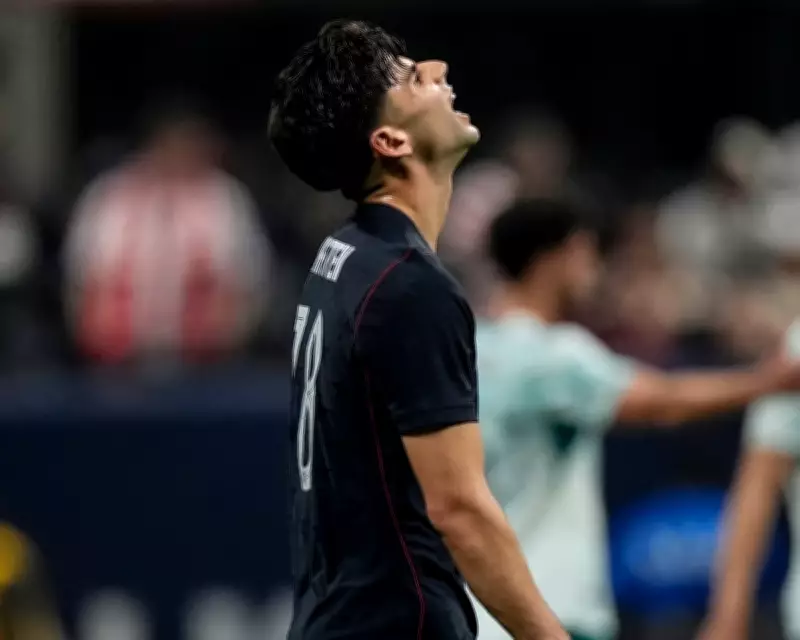
The mood among United States soccer fans has turned sour following two consecutive pre-World Cup friendly losses, sparking widespread concern about the team's readiness for the upcoming tournament. However, a deep dive into historical precedents suggests that these worries might be premature and largely unfounded.
Historical Precedents Offer Solace
Looking back at the 1994 World Cup, the US men's national team entered the final stretch of preparations with dismal results, winning only two of twelve games from January to April, including a shocking loss to Iceland, a team that was then a non-factor in global soccer. Despite this deflating run-in, the 1994 squad not only survived the group stage but also narrowly lost 1-0 to eventual champions Brazil in the round of 16, meeting expectations against all odds.
This pattern is not an isolated incident. In 1950, the US lost their sole tune-up game to an English side featuring superstar Stanley Matthews, only to stun England 1-0 at the World Cup in Brazil. Similarly, in 2002, the team suffered losses to Italy, Germany, Ireland, and the Netherlands in the lead-up, yet made their deepest run in over 70 years, reaching the quarter-finals and pushing Germany to the brink.

Recent Trends Reinforce the Pattern
More recently, the 2014 World Cup team lost to Ukraine and tied Mexico in March and April before surviving the "group of death" in Brazil that summer. Ahead of the 2022 World Cup, Gregg Berhalter's team appeared uninterested in a loss to Japan and a tie with Saudi Arabia in September friendlies, yet they performed competitively in the November tournament.
Conversely, strong pre-tournament form has not guaranteed success. The US went into the 1998 World Cup on a five-game unbeaten run and won their two send-off games before the 2006 World Cup, only to go winless at both tournaments.
Expert Opinions and Player Perspectives
Roberto Martínez, the current Portugal and former Belgium manager, cautioned against overreacting to March results, stating, "If I can give you a little bit of my experience, it's don't take too much of your assessments and evaluations in March. Because they are quite worthless." This sentiment was echoed by US forward Christian Pulisic, who, despite disappointment, expressed optimism: "I think we're a lot closer than we may seem. I still feel positives and I have belief in this team. I feel good things coming."
Head coach Mauricio Pochettino maintained a positive outlook, emphasizing the camp's value: "I am happy about the camp. I think this camp is very positive. It was the end of our trajectory of our preparation for the World Cup. I am more positive now than before. Seeing the team compete, we are not far away. It's only details that we need to improve."
Broader Implications for International Soccer
This phenomenon extends beyond the US, as seen with England's experience ahead of the 2022 World Cup, where they entered with no wins in six matches but had a broadly successful tournament before falling to France in the quarter-finals. Such examples highlight that pre-tournament friendlies often serve as experimental phases rather than definitive indicators of World Cup performance.
In summary, while recent losses have dampened spirits, history and expert analysis suggest that the USMNT's pre-World Cup struggles may not predict their tournament fate. Fans might find solace in the team's resilience and the unpredictable nature of soccer, where details and results often align once the competition officially begins.