Seattle Seahawks Sale Sparks Analysis of NFL's $10 Billion Franchise Valuations
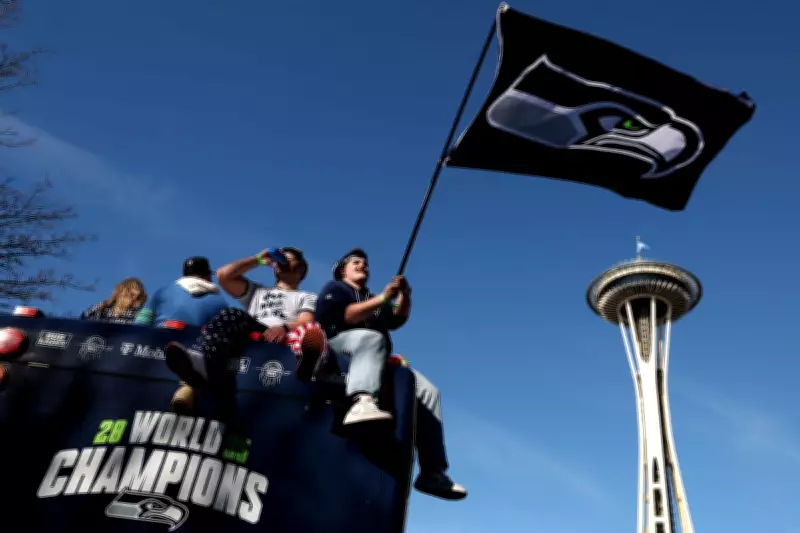
Just days after securing their first Super Bowl victory in over a decade, the Seattle Seahawks have been placed on the market by the Allen family, with industry experts predicting the NFL franchise could fetch approximately $10 billion. This development follows a directive in the will of Paul Allen, Microsoft co-founder, which mandates that his sports businesses be sold with proceeds directed toward charitable causes.
The $10 Billion Club: NFL Franchise Valuation Trend
The Seahawks' anticipated sale price continues a remarkable trend of NFL franchises reaching unprecedented valuations. The Dallas Cowboys currently lead with a $13 billion valuation, while both the Los Angeles Rams and New York Giants have breached the $10 billion threshold. Several other teams hover near this elite financial level, creating questions about what distinguishes NFL franchises from professional sports teams in other leagues worldwide, which often struggle to reach half these valuations.
Scarcity and Vanity: Key Drivers of NFL Values
"The Seattle Seahawks situation involves several factors," explains Steve Martin, founding partner at MSQ Sport+ Entertainment. "The purchase of an NFL franchise is ultimately a billionaire's vanity acquisition, and the Seahawks are also benefiting from a long period of consistent organizational success."

Martin emphasizes that scarcity fundamentally drives NFL valuations: "There are only 32 franchises, and changes of ownership are relatively rare, particularly in this case, with the team being sold by the Allen family."
The League Advantage: Collective Strength Over Individual Teams
Professor Rob Wilson provides additional economic context: "When you buy into an NFL team, you don't just buy the individual team, you become a shareholder in a highly coordinated league product. In sport, you can't produce a product alone. The quality of competition depends on your rivals."
Wilson describes this as "the joint nature of production" in economic terms, noting: "The NFL's collective sale of media rights, revenue sharing and salary cap are designed to preserve competitive balance, keeping games uncertain and fans engaged. That balance protects the league's overall appeal and drives stable and predictable revenues."
"Ultimately investors are buying into a scarce, cooperative so-called cartel that consistently generates billions of dollars," Wilson concludes. "So when the opportunity arises to buy a club, the values keep climbing."
Changing Ownership Landscape and New Investment Rules
The Seahawks sale coincides with significant shifts in NFL ownership regulations. For the first time, the league has permitted private equity stakes in franchises, with up to 10 percent of each club now available to investment firms including Arctos Partners, Ares Management Corporation, Sixth Street, and a consortium featuring Blackstone, Carlyle, CVC, Dynasty Equity, Fortress and Ludis.
"New ownership rules require that teams be owned by an individual rather than a charitable foundation, which is shaping how this sale proceeds," adds Martin. This regulatory change directly impacts the Seahawks transaction given the involvement of the Paul Allen estate.
Seahawks' Unique Market Position and Revenue Strength
Martin further analyzes the Seahawks' specific appeal: "Scarcity is a big play of rising values, but it is reinforced by the underlying strength and consistency of the NFL business model. The result is very strong, steady income streams from multiple sources, often amounting to hundreds of millions, which supports the elevated valuations, even if they appear somewhat toppy at present."
"Within this context, the Seahawks themselves are punching above their weight as a franchise but continue to perform consistently well," Martin observes. "There is also a significant West Coast play in the Seattle market that attracts considerable interest from tech businesses."
These combined factors—scarcity of franchises, the NFL's cooperative economic model, consistent revenue generation, and Seattle's tech-adjacent market—create the conditions for the Seahawks to command a valuation approaching $10 billion, demonstrating why elite NFL franchises represent unique assets in the global sports landscape.