Tunbridge Wells Residents Launch Urgent Campaign to Preserve Commons
In the heart of Tunbridge Wells, Kent, a determined group of residents is mobilizing against time to safeguard their beloved commons from potential development. The picturesque 106-hectare (256-acre) common land, privately owned and recently listed for sale, faces the threat of being converted into luxury apartments, sparking a community-wide effort to secure its future.
Historical and Ecological Significance at Stake
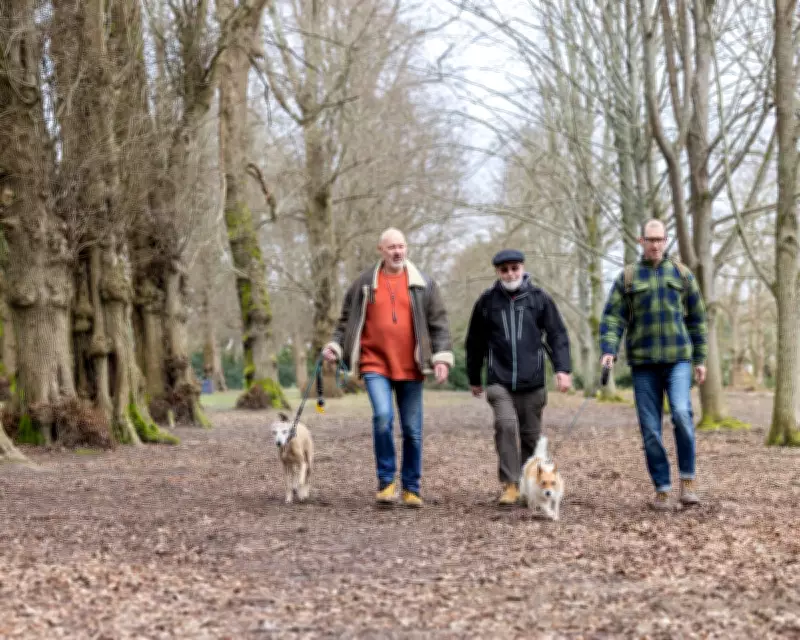
The commons, a verdant oasis in the town, hold deep historical roots and rich biodiversity. Locals fondly recall events like Arrested Development's performance at a nearby music venue, highlighting its cultural importance. Ecologically, the wooded area supports 28 butterfly species, nationally scarce bees such as the broad-banded nomad bee, 18 dragonfly species, and 300 flowering plants, including rare varieties like coralroot. On a typical day, the commons buzz with joggers, dog-walkers, and the sounds of spring, serving as a vital retreat from urban life.
John Barber, a former chair of the Friends of Tunbridge Wells and Rusthall Commons charity, emphasized the urgency: "Now we want development arrested for the commons." Nick Leech, another trustee, added, "Over the years, there's been this piecemeal chipping away of land for development. The commons last came up for sale in 2008. It's a very rare opportunity for the town to secure long-term stewardship. It's now or never."

Legal and Financial Challenges in the Race Against Time
Registered as an asset of community value, the commons grant the Friends charity until March 26 to raise funds and make an offer. However, the exact amount needed remains uncertain due to disputed commercial potential. Targetfollow, the property management company that acquired the commons 18 years ago, is offering a small parcel—currently an unsurfaced car park—for separate sale, suggesting it could be redeveloped into 104 luxury apartments with underground parking.
While stringent legal protections, including an act of parliament, guard against development, a purchaser could attempt to deregister this section by providing comparable replacement land. Targetfollow has proposed Still Green, a nearby but disconnected area, as an alternative, but the Friends charity argues it lacks equivalent amenity value. Any such land-swap would require approval from the secretary of state for the environment.
Community Support and Future Implications
Public meetings have drawn large crowds, reflecting widespread concern. Camilla Macnaghten, a local resident walking her dog Leonardo, shared, "Just to come up here and listen to the song thrush, I really do love it. I certainly wouldn't like to see it developed. It's such a special place for centuries." Clare Sinha, a volunteer conservator, expressed hope but acknowledged the challenges: "I'd like to feel we've got enough legal protection for it but I don't think we have. It always should've been part of the community, in public ownership."
Richard Simm, co-owner of the Forum music venue on the commons' edge, highlighted the practical benefits: "We owe a huge amount to our commons; it's insulated us from noise complaints." Roger Barton, chair of the Friends, stressed the campaign's broader goal: "The important thing is to secure the commons, not just for us but for future generations. If we miss this opportunity it probably won't come around again." With international interest in the sale, including the allure of the title Lord of the Manor of Rusthall, the community's race to preserve this cherished space is more critical than ever.