Tennis's recent attempt to revive the iconic 'Battle of the Sexes' concept has sparked debate, but a closer look suggests it fell short of its potential. While designed to generate headlines, the event risked undermining the very sport it aimed to promote.
Women's Tennis Stands Strong on Its Own Merits
The timing of the revived Battle of the Sexes felt particularly awkward. Only weeks prior, the WTA announced a landmark $500 million sponsorship deal with Mercedes-Benz, one of the most significant in its history. This partnership underscores women's tennis as a premium, standalone commercial entity. The deal was secured on the strength of the tour, its globally recognised athletes, and its dedicated audience—not through comparison with the men's game.
Indeed, women's tennis is a powerhouse product in its own right. Four of the world's five highest-paid female athletes are tennis stars, including global icons like Aryna Sabalenka, Naomi Osaka, Emma Raducanu, and Coco Gauff. Their appeal is built on elite performance and marketability, not on novelty or direct competition with male players.

The Pitfalls of Forced Novelty
The recent Battle of the Sexes format, while drawing interest, was played on a specially altered court with modified rules. This created a spectacle that could never be replicated in standard competition. Rather than highlighting supreme athletic skill, the event risked distracting from it, turning a contest of the world's best into a gimmick.
This approach contrasts sharply with the WTA's proven commercial strategy. Projected to see a 400 per cent increase in sponsorship over the next decade, the WTA has demonstrated that women's sports do not need to be positioned alongside men's to succeed. It offers a clear model for how an independent women's global rights holder can build sustainable revenue and long-term credibility on its own terms.
The Blueprint for Success: The One Point Slam
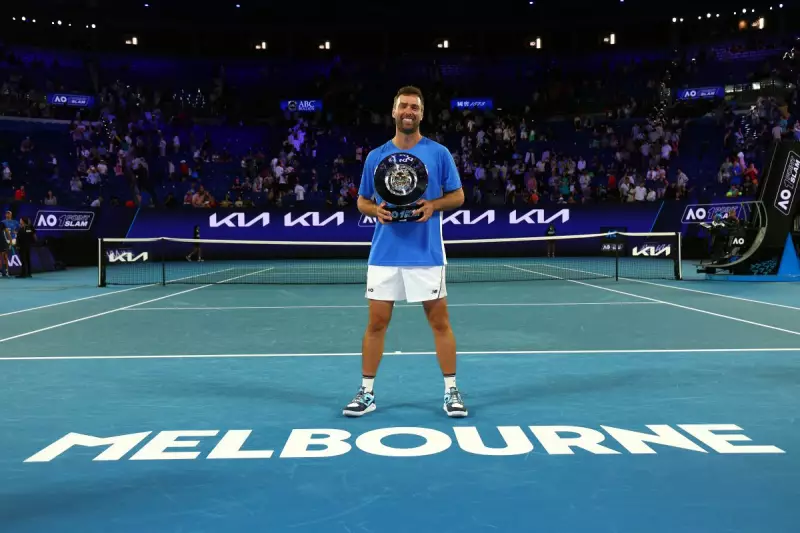
In contrast, innovation at the Australian Open's 'Million Dollar One Point Slam' felt genuinely engaging. Its format was brilliantly simple: one point to win, with professionals allowed one serve and amateurs two. The winner would take the entire prize. This simplicity created palpable tension and a believable premise—that anyone, even an amateur, could triumph.
The event's magic was realised when an amateur faced a female professional in the final. The amateur's victory, netting just under £500,000, provided a powerful human story that resonated deeply with audiences. Alongside the mixed-team United Cup a week earlier—where Belinda Bencic outperformed all other players—it showed how men's and women's sport can be presented together in a way that feels natural, balanced, and compelling.
Respecting the Game and Its Fans
The lesson for tennis is clear. The sport does not need to reshape the court or its fundamental rules to stay relevant. It needs innovative ideas that respect the integrity of the game and the intelligence of its global audience. The success of the One Point Slam proves that authenticity and simplicity can create must-see moments without compromising the sport's core values.