Torvill and Dean's Olympic Ice Dancing Saga: Triumph and Controversy
Jayne Torvill and Christopher Dean delivered one of the most unforgettable moments in Team GB's Olympic history with their gold medal-winning performance at the 1984 Winter Olympics in Sarajevo. Their flawless execution of Boléro captivated audiences and judges alike, earning them a place in sporting legend. However, a decade later at the 1994 Lillehammer Games, the pair faced disappointment, securing only a bronze medal amid intense scrutiny and debate over their routine.
Sarajevo 1984: A Night of Golden Perfection
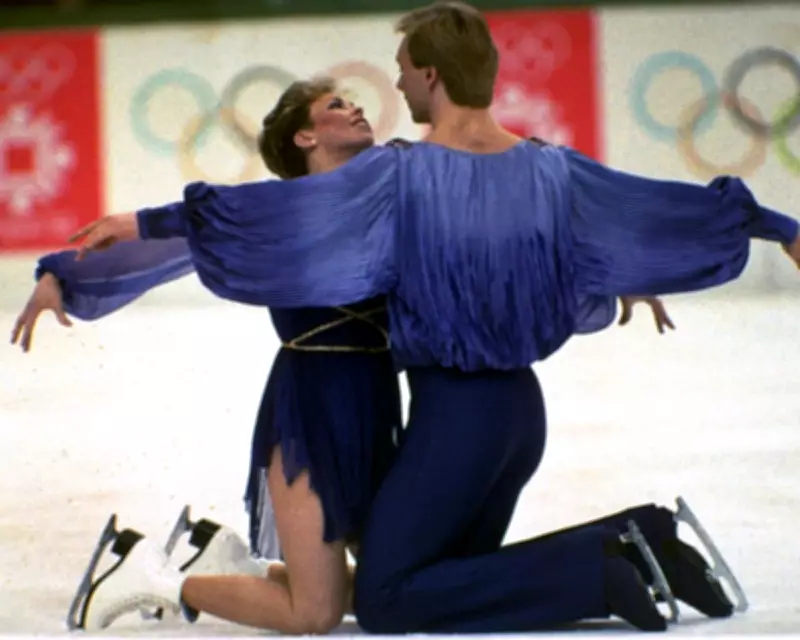
On February 15, 1984, at the Zetra Stadium in Sarajevo, Torvill and Dean mesmerized a capacity crowd with their Boléro free dance. The nine-member judging panel was so impressed that they awarded 12 out of 18 possible perfect scores of 6.0, including straight sixes for artistic impression. This performance not only clinched the gold medal but also set a new standard in ice dancing, showcasing their innovative and hypnotic choreography.
The routine began with the couple kneeling on the ice, swaying to the slow, pulsating music of Boléro. Dean then lifted Torvill in a series of intricate moves, including a remarkably difficult sequence where she slithered snake-like down his body. Despite criticism from some quarters, such as the Russian coach who argued the opening posed excessively, the pair's artistry shone through. Dean incorporated new elements, like a split with a 180-degree turn, to evolve their performance, emphasizing the need for continuous development in their sport.

Lillehammer 1994: A Step Too Far for Olympic Glory
Ten years later, at the 1994 Winter Olympics in Lillehammer, Torvill and Dean aimed for a comeback but fell short, earning a bronze medal. Their routine, while praised by many observers as flawless, was penalized by judges for including an acrobatic movement—a lift where Dean whirled Torvill over his head—that violated new rules implemented after the 1992 Olympics. This decision sparked controversy, with British media and fans claiming the pair had been robbed of gold.
International referee Hans Kutschera explained the deduction, stating the move was not allowed under the updated regulations. Meanwhile, foreign press criticized the performance, with some outlets describing it as worn-out and sluggish, and even making personal remarks about Torvill's appearance. Despite this, a Teletext poll showed 98% of 13,000 callers believed Torvill and Dean deserved gold, highlighting the divide between public opinion and official judging.
Legacy and Impact on Figure Skating
Torvill and Dean's journey from Sarajevo to Lillehammer underscores the evolving nature of Olympic sports and the subjective elements of judging in figure skating. Their 1984 gold remains a benchmark for excellence, while the 1994 bronze sparked discussions on rule changes and fairness in competition. The pair's influence extends beyond medals, inspiring future generations of ice dancers and leaving an indelible mark on British Olympic history.
As Team GB continues to compete in events like the Winter Olympics, the story of Torvill and Dean serves as a reminder of the highs and lows inherent in elite athletic pursuit. Their dedication and innovation in ice dancing have cemented their status as icons, ensuring their performances are remembered and celebrated for years to come.