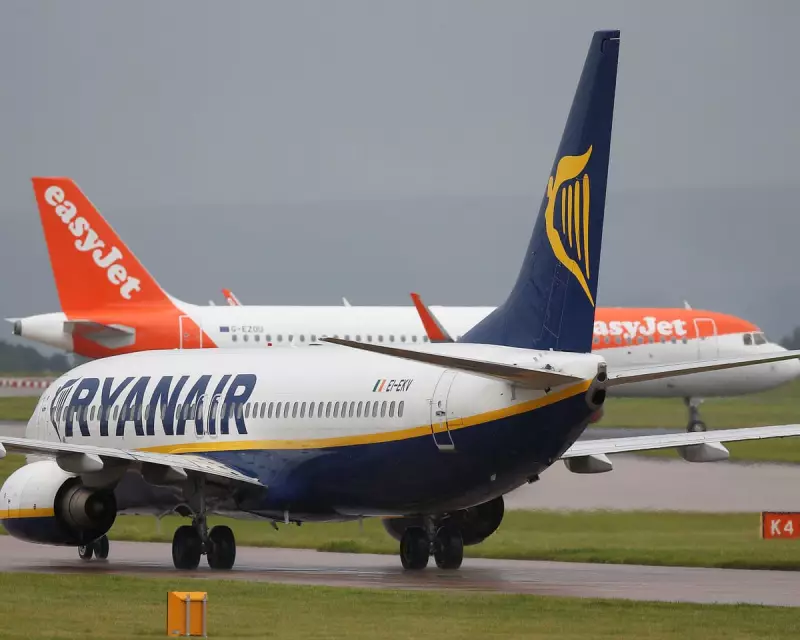
Travellers across the United Kingdom are being told to prepare for more expensive flights, as regional airports grapple with what industry experts are calling "unprecedented" increases in their property tax bills.
Steepest Increases Hit Regional Hubs
An analysis of government data, conducted for the Press Association by global tax firm Ryan, reveals a stark picture. Airports outside London are facing some of the most severe business rates hikes of any sector in the country. This follows a major overhaul of the property valuations that form the basis of the tax.
The rateable values for some airports have jumped more than six-fold, leading to corresponding surges in their tax demands. Even with transitional relief capping next year's increase at 30%, regional airports will still endure some of the largest cash rises nationwide. For most, bills are set to more than double over the coming three years.

Which Airports Are Worst Affected?
The financial blow is not evenly distributed. According to Ryan's calculations of Valuation Office Agency data, several key regional hubs are facing monumental increases:
- Manchester Airport is likely to see its business rates bill rise by £4.2 million to £18.1 million next year.
- Bristol Airport will receive a £1.2 million increase, taking its bill to £5.2 million.
- Birmingham International Airport faces a £1.8 million rise to £7.6 million.
- Newcastle International Airport is in line for a £244,755 increase to £1.1 million.
Other airports facing significant hikes include Liverpool, East Midlands International, and Bournemouth.
Passengers to Bear the Ultimate Cost
Industry leaders warn that airports cannot absorb this financial shock alone. Alex Probyn, practice leader for Europe and Asia-Pacific property tax at Ryan, stated plainly: "With an unprecedented 295% sector-wide uplift, regional airports simply cannot absorb a cost shock of this magnitude."
He outlined the inevitable chain reaction: "These increases will inevitably flow through the system: first into airport charges, then into airline costs, and ultimately into ticket prices."
A spokesperson for Manchester Airports Group, which owns Manchester, Stansted, and East Midlands airports, echoed this concern. They confirmed that planned investments of over £2 billion across their UK airports over the next five years may now need to be reviewed.
"It is inevitable air travel will become more expensive as the industry absorbs these costs," the spokesperson said. "That impacts hard-working people throughout the country and makes global trade harder for businesses."
The trade body AirportsUK has labelled the government's plans as "shortsighted," warning they will damage local economies that rely on airport connectivity, supply chains, and tourism. The group is preparing a response to the Treasury's consultation on the business rates plan, which closes in February.