Kingston Cycling Campaign Demands Five 'Game-Changer' Bike Routes by 2030
Campaigners in South London are intensifying pressure on local election candidates to commit to constructing a transformative cycle network in Kingston by 2030. The Kingston Cycling Campaign (KCC), a branch of the London Cycling Campaign, is pushing political parties to pledge support for building five key cycle corridors identified as critical by Transport for London (TfL).
Strategic Routes Mapped for Funding Priority
KCC is specifically urging parties competing in the May 7 local elections to commit to implementing these five strategic routes, which were mapped out in TfL's 2025 strategic cycling analysis. This map highlights corridors across London where TfL is most likely to provide funding to local authorities for the design and construction of dedicated cycle routes.
Locally, these proposed routes would create vital connections: linking central Kingston to nearby town centres such as Richmond and Wimbledon; connecting Surbiton with Norbiton and New Malden with Worcester Park; and improving the cycling link between Chessington and Surbiton. The campaign emphasizes that these connections are essential for creating a cohesive and safe cycling network.

A 'Game-Changer' for Community and Climate
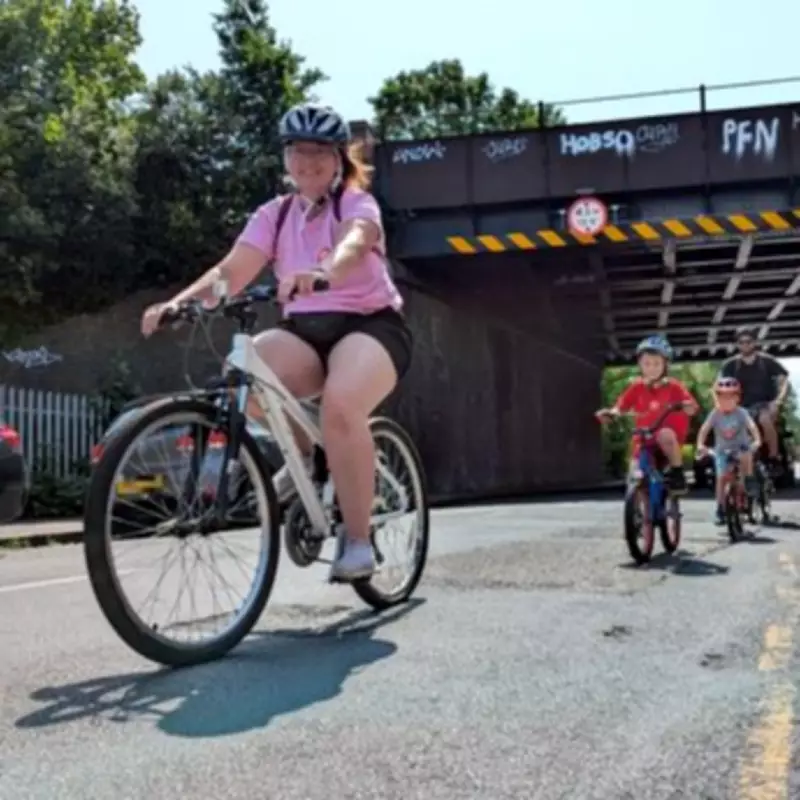
Jon Fray, spokesperson for KCC, stated that while Kingston already boasts some good-quality cycle routes, building the full network identified by TfL "would be a gamechanger." He elaborated: "Thousands of daily local car trips in Kingston could be switched to cycling if people felt safe enough. Parents would feel more confident letting their children cycle to school, and we’d start to see more women, elderly people and people with disabilities discovering the freedom, convenience, health and joy that a better-connected network of protected cycle routes brings."
Fray further argued that increased cycling confidence among residents would directly reduce traffic congestion, road danger, and harmful pollution, thereby alleviating pressure on local health and social services. This aligns with Kingston's own climate action strategy up to 2030, which pledges to "encourage sustainable and active travel, including walking, cycling and public transport, for everyone living, visiting, working or studying in the borough."
Political Pledges and Election Context
The campaign's demands come at a pivotal political moment. Kingston has been under Liberal Democrat control since 2018, when they took over from the Conservatives. To date, Kingston Labour and the Kingston Green Party have publicly pledged to support KCC's demands. However, the Kingston Lib Dems have not yet published their manifesto outlining their plans if they retain control of the council in May.
All 48 seats on Kingston Council will be contested across the borough's 19 wards on May 7. Voters will select representatives for a four-year term extending to 2030. The electoral landscape features the Lib Dems, Conservatives, and Labour each fielding 48 candidates. Reform UK is standing 42 candidates, The Green Party 41, and the Kingston Independent Residents Group (KIRG) 36. Additionally, three candidates from The Official Monster Raving Loony Party and two Independent councillors are also in the race.
Linking Development to Sustainable Transport
KCC notes that its push coincides with major local developments, such as the regeneration of the Cambridge Road Estate, which are designed to encourage alternatives to car use by limiting parking provision. The campaign argues that building these five cycle routes is a logical and necessary step to support this shift towards sustainable transport, making cycling a safe, viable, and attractive option for thousands of residents for everyday journeys.