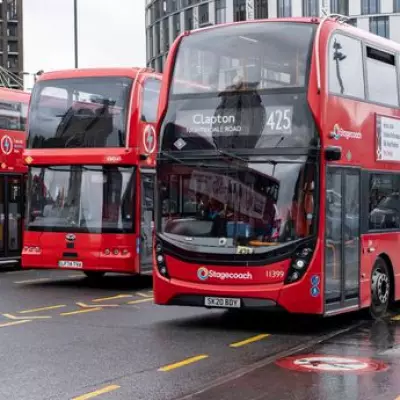
Ride-hailing company Bolt is dramatically expanding its electric bicycle network across central and west London in anticipation of a fresh wave of Tube and bus strikes, according to City AM. The strategic rollout aims to alleviate pressure on the capital's already strained transport infrastructure during the impending industrial action.
Expansion Targets Key Commuter Routes
Bolt has confirmed that its distinctive e-bikes are now available for hire in Westminster and Hammersmith & Fulham. This expansion builds upon the company's existing presence in Kensington & Chelsea, significantly widening coverage across vital commuter corridors. The timing is crucial, with London bracing for six consecutive days of industrial action on the Underground network starting next week. Transport for London has issued warnings of "significant disruption" across multiple lines, creating an urgent need for alternative travel options.
Proven Demand During Previous Strikes
Bolt points to historical data demonstrating substantial demand for its services during transport disruptions. During the September 2025 strikes, usage of Bolt e-bikes surged by an astonishing 685 percent. "London is one of the world's great cycling cities, and e-bikes have encouraged more people than ever to cycle," stated Giulio del Balzo, senior public policy manager at Bolt. "But they also need to work for everyone – riders, pedestrians, councils and local residents alike."

Safety-First Pricing and Parking Controls
The company is actively promoting its unique pricing structure as a safety feature. Bolt stands as the only operator in London charging riders per mile traveled rather than per minute used. This model, the firm argues, removes the financial incentive for cyclists to rush through journeys to cut costs – a behavior frequently linked to risky cycling in congested urban areas. Internal data indicates that riders using this per-mile pricing travel approximately nine percent slower on average.
Furthermore, the expansion introduces stricter parking controls designed to address the pervasive issue of pavement clutter associated with rental bikes. From the launch date, users will only be permitted to end their journeys within designated parking bays. Artificial intelligence photo verification will ensure compliance, with riders who fail to park correctly facing financial penalties and a reduction in their in-app user rating.
Data Sharing and Market Competition
In a move toward greater transparency, Bolt is sharing live operational data with local councils. This initiative provides authorities with real-time visibility of bike locations and detailed usage patterns across boroughs. The push comes amid an increasingly competitive and sometimes contentious e-bike market in London. Earlier this year, Bolt accused rival operators of deliberately moving its bikes out of designated parking bays, leading to fines and impoundments – a tactic the company described as a 'dirty tricks' campaign.
E-Bikes as Essential Transport Alternative
Despite market tensions, Bolt is betting heavily on growing demand as commuters seek reliable alternatives to disrupted public transport. Research commissioned by the company suggests e-bikes are already playing a significant role in London's transport ecosystem, freeing up an estimated 577,500 spaces on public transport each week. More than half of Bolt users reported they would otherwise have taken the Tube, bus, or train for their journeys.
With strike action scheduled to impact services throughout April, May, and June – and with parts of the network expected to operate on reduced timetables – micromobility operators are increasingly positioning their services as a critical fallback for London's commuters. Bolt launched its London e-bike service in August 2025 and has since expanded rapidly within the capital while also rolling out similar schemes in other UK cities including Liverpool.