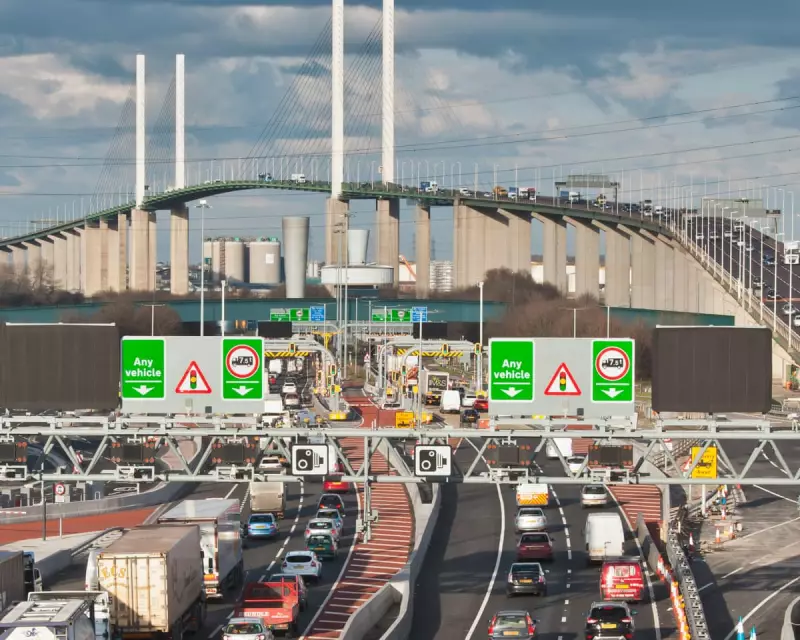
Drivers using the busy Dartford Crossing are being urged to exercise extreme caution after a surge in sophisticated scam websites designed to trick them into paying fake fines. These fraudulent operations mimic the official government-run Dart Charge service, preying on motorists who have legitimately used the crossing but may be unsure of the payment process.
How the Elaborate Scam Operates
The scam centres on convincing copycat websites that appear in online search results when drivers look for the official Dart Charge portal to pay the crossing fee or to query a potential penalty. These sites use similar web addresses, logos, and designs to appear authentic. Their primary goal is to harvest personal and payment details from unsuspecting users.
More alarmingly, some of these fraudulent operations have taken the deception a step further. They are actively issuing counterfeit Penalty Charge Notices (PCNs) to motorists, demanding payment for alleged unpaid crossing charges. The National Highways, which operates the Dart Charge system, has confirmed it is aware of these fake fines circulating. A spokesperson stated they are working to have the scam sites taken down, but new ones frequently appear.

Official Channels and How to Protect Yourself
To avoid falling victim, authorities stress that there is only one legitimate way to pay the Dartford Crossing charge or to handle any penalties. The official methods are:
- The genuine government website: www.gov.uk/pay-dartford-crossing-charge
- The official Dart Charge mobile app, available via official app stores.
- By telephone through the automated payment line.
National Highways emphasises that any communication about a Dart Charge penalty will come directly from them, not a third-party website. A key red flag for a scam PCN is a demand for payment to a bank account not in the name of 'Dart Charge'. Genuine fines will also provide clear details of the crossing time, vehicle registration, and the specific contravention.
The Wider Problem and Driver Advice
This issue highlights a broader trend of criminals exploiting everyday administrative tasks, such as paying road charges or car tax. The Dartford Crossing, used by millions of vehicles annually, presents a particularly lucrative target for fraudsters. The confusion some drivers experience about the payment window—which is midnight the day after crossing—can make them more vulnerable to these deceptive tactics.
Motoring organisations are advising drivers to be vigilant. "Always double-check the web address you are using," advises a spokesperson for the RAC. "Bookmark the official gov.uk site to avoid searching for it each time. If you receive a penalty notice that seems suspicious, contact National Highways directly using the details on their official website, not the contact information on the potentially fake notice."
If a driver believes they have been scammed, they should report it to Action Fraud and contact their bank immediately. The ongoing battle against these sites underscores the importance of digital literacy for all motorists managing their vehicle-related finances online.