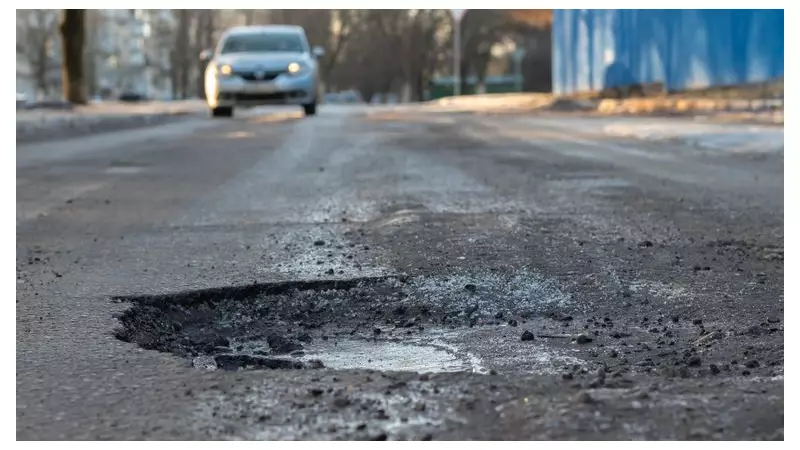
The Department for Transport (DfT) has launched a stark new public tool that maps the state of England's roads, revealing a postcode lottery in how effectively local authorities are tackling the pothole crisis.
The Traffic Light System: Red, Amber, and Green for Roads
Introduced on Sunday 11 January 2026, the new system classifies 154 local highway authorities as either red, amber, or green. This rating is based on the current condition of their roads and how efficiently they are spending the government's road maintenance funding.
The data delivers bad news for drivers in several specific areas, all branded with a red rating. These include Cumberland in Cumbria, Bolton in Greater Manchester, Leicestershire, Suffolk, and Kensington and Chelsea in west London.

In response, the DfT stated that red-listed authorities will get "dedicated support to bring them into line with best practices" through a specific £300,000 programme.
Funding Boost and the Path to Better Roads
The majority of authorities find themselves in the amber category. However, some have achieved a green rating by demonstrating effective strategies. These best-practice areas include Essex, Wiltshire, Coventry, Leeds, and Darlington in County Durham.
The DfT clarified that green status shows councils are investing in long-term preventative measures instead of merely patching up potholes, while also maintaining good overall road conditions.
This transparency drive follows the government's commitment to provide £7.3 billion for local road maintenance over the four years up to 2029/30, announced in last year's budget. Funding for the current financial year alone is nearly £1.6 billion, a £500 million increase on the previous year. Notably, a quarter of this extra money was initially withheld until councils submitted credible plans for its use.
Driver Frustration and Political Reaction
Transport Secretary Heidi Alexander addressed the long-standing issue, stating, "For too long drivers have paid the price because our roads were left to deteriorate." She expressed understanding for the frustration of motorists who must foot repair bills for damage they did not cause.
"We've put our money where our mouth is by increasing the funding," Alexander added. "Now it's over to them to spend the money wisely, and for the first time we are making sure the public can see how well councils are doing."
The financial impact on motorists is significant. The RAC estimates that the typical repair bill for a family car suffering pothole damage beyond a simple puncture is £590. Common problems include damaged shock absorbers, broken suspension springs, and distorted wheels.
RAC head of policy Simon Williams welcomed the initiative and longer-term funding, hoping it leads to "smoother, better roads." However, he noted that good practice is not consistent nationwide, leaving many drivers with substandard surfaces.
Shadow transport secretary Richard Holden offered a critical view, arguing "a map won't stop tyres blowing or suspensions snapping." He claimed that motorists, "already being squeezed tight by Labour," deserve real action, which he asserted only the Conservatives would deliver.
The new map and the government's £7.3 billion funding pledge are set to be discussed by Transport Secretary Heidi Alexander on the 'Sunday Morning with Trevor Phillips' show on Sky News.