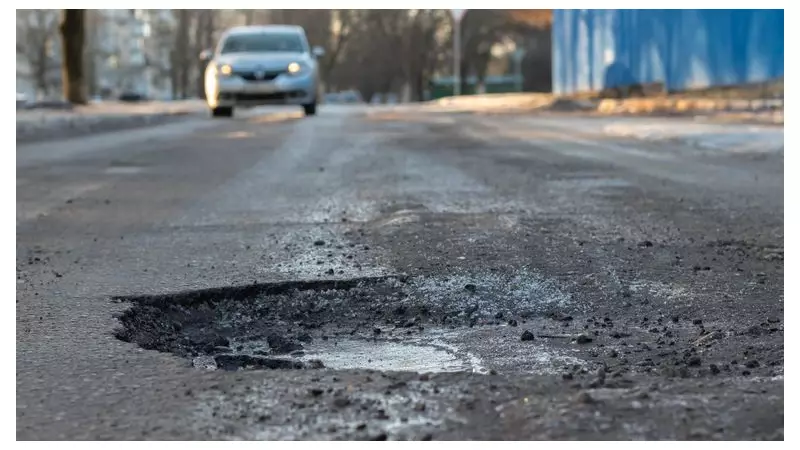
Drivers across England can now see exactly how their local council is performing on the perennial issue of pothole repairs, thanks to a new government rating system. The Department for Transport (DfT) has launched a traffic-light style map, classifying 154 local highway authorities as red, amber, or green based on current road conditions and how effectively they are spending allocated maintenance funds.
Red Alert: The Councils Falling Behind on Road Maintenance
The new system has identified several areas requiring urgent improvement. Authorities classed as red include Cumberland in Cumbria, Bolton in Greater Manchester, Leicestershire, Suffolk, and the London borough of Kensington and Chelsea. The DfT stated that these red-rated councils will receive dedicated support through a £300,000 programme to bring their practices in line with national standards.
A majority of councils fall into the amber category, indicating there is room for progress. In contrast, those celebrated as green for following best practice include Essex, Wiltshire, Coventry, Leeds, and Darlington in County Durham. The government praised these authorities for investing in long-term, preventative measures rather than just short-term patches, while maintaining good overall road conditions.

Funding Boost and Political Promises
This transparency drive follows the government's commitment to provide £7.3bn for local road maintenance funding over the four years up to 2029/30, announced in last year's budget. For the current financial year, the total funding provided for England is nearly £1.6bn, a significant £500m increase on the previous year. However, a quarter of this extra money was initially withheld until councils submitted detailed plans for its use.
Transport Secretary Heidi Alexander addressed driver frustration head-on, stating: "For too long drivers have paid the price because our roads were left to deteriorate. I have heard time and again their frustration on footing the bill because they hit a pothole." She emphasised that the government has "put our money where our mouth is" and that it is now up to local authorities to spend it wisely, with the public able to hold them accountable via the new map.
The Cost to Drivers and the Road Ahead
The financial burden on motorists is substantial. According to the RAC, potholes commonly cause damage to shock absorbers, suspension springs, and wheels. The motoring group estimates that the typical repair bill for a family car, for damage beyond a simple puncture, is £590.
RAC head of policy Simon Williams welcomed the initiative and the promise of longer-term funding, hoping it leads to "smoother, better roads." However, shadow transport secretary Richard Holden was sceptical, arguing that "a map won't stop tyres blowing or suspensions snapping" and calling for more concrete action.
The new system and the substantial funding package represent a significant step in tackling the UK's pothole crisis. Whether it leads to visibly smoother journeys will depend on how effectively local councils now utilise the resources and scrutiny placed upon them.