April Tube Strike Brings Partial Disruptions, Unlike September's Paralysis
A Tube strike on Tuesday, April 21, 2026, has caused significant disruptions across parts of the London Underground network, yet the impact remains notably less severe compared to the extensive walkout in September 2025. The Circle line is entirely suspended, with partial suspensions affecting the Central, Metropolitan, and Jubilee lines. However, passengers are experiencing far fewer difficulties navigating the city than during last year's strike, which brought almost the entire Tube system to a standstill.
Stark Contrast with September 2025 Strike Severity
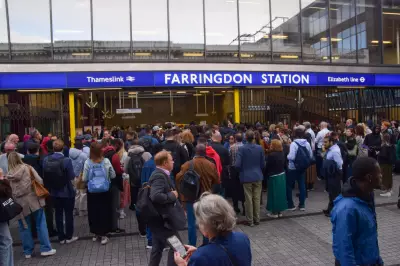
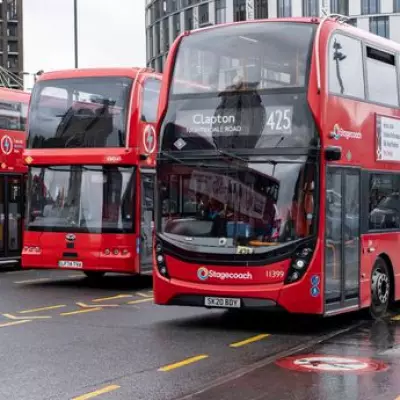
The September 2025 strike, which lasted from Monday, September 8 to Thursday, September 11, resulted in the suspension of nearly all Tube lines. Only the Northern line operated fully on Tuesday, September 9, with brief, limited services on four other lines. Commuters were forced to either work from home or rely on severely constrained transport options. Rental e-bike services like Lime and Forest saw a surge in usage during rush hour, while the Elizabeth line and London Overground became overcrowded as passengers sought alternatives.
In contrast, the current April strike has seen both the Northern and Victoria lines—London's busiest—operating with only minor delays for much of the afternoon, with most other lines remaining open. This has provided commuters with substantially more travel options and reduced overall chaos.

Key Factors Behind the Reduced Disruption
Limited Scope of Striking Workers: Unlike the September 2025 strike, which involved all Transport for London (TfL) staff in a pay and working conditions dispute, the current action is limited to Tube drivers. The previous walkout included station staff and service controllers—critical personnel who regulate train movements, manage signalling systems, and communicate during disruptions. Their absence was a primary factor in determining whether lines could operate, making the September strike far more debilitating.
Unaffected DLR and Other Services: During the September strikes, Docklands Light Railway (DLR) workers also walked out on September 9 and 11, exacerbating transport woes in East and Southeast London and limiting access to Bank station. This time, the DLR, London Overground, and National Rail services are all operating normally, providing viable alternatives for many passengers.
Shorter Strike Duration: The April strike consists of only two 24-hour actions, starting at midday on Tuesday, April 21 and Thursday, April 23, compared to four full days in September 2025. For most commuters, this means only one journey to or from work is impacted per strike day, though shift workers and those with appointments may face greater burdens.
Background and Ongoing Disputes
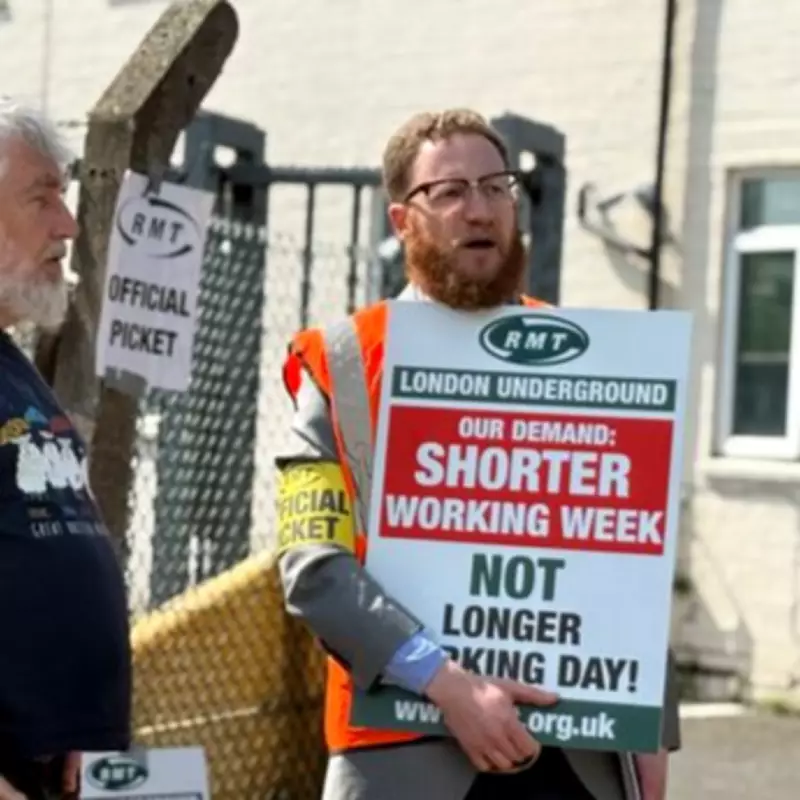
The pay dispute from September 2025 was resolved in November when the RMT union accepted a 3.4 percent pay offer. However, unresolved issues specific to Tube driver working hours and conditions have led to the current strikes, announced to occur between April and June 2026. It is important to note that the London Underground, DLR, London Overground, and National Rail operate as separate bargaining units within the RMT, which typically results in staggered strike actions—unlike the coordinated walkouts in September last year.
As London navigates these disruptions, the reduced severity of the April strike offers some relief, but underlying tensions over working conditions suggest further industrial action may loom on the horizon.