Bolt Accelerates E-Bike Expansion in London Amid Looming Transport Strikes
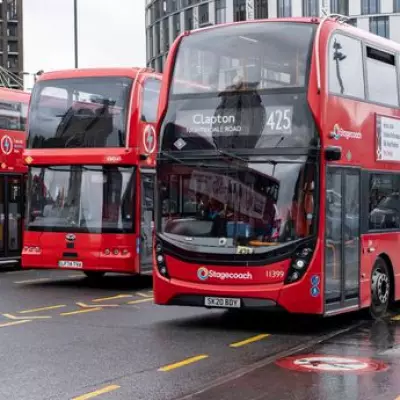
Bolt is significantly expanding its e-bike network across Central and West London in anticipation of a fresh wave of Tube and bus strikes, according to City AM. This strategic move aims to alleviate pressure on the capital's already strained transport system as industrial action threatens widespread disruption.
Targeted Rollout in Key Boroughs
The ride-hailing firm has announced that its bright green e-bikes are now available in Westminster and Hammersmith & Fulham. This expansion builds upon Bolt's existing presence in Kensington & Chelsea, substantially widening coverage across vital commuter corridors. The rollout is timed precisely as London braces for six consecutive days of industrial action on the Underground network starting next week, with Transport for London warning passengers to expect significant disruption across multiple lines.
Bolt points to proven demand for alternative transport during previous strikes. During the September 2025 industrial actions, usage of its e-bikes surged by a staggering 685 per cent, demonstrating a clear shift in commuter behavior when traditional services fail.

A Pricing Model Framed as a Safety Feature
Concurrently, Bolt is promoting its unique pricing structure as a direct safety enhancement. The company is the only operator in London charging riders per mile rather than per minute. Bolt argues this model removes the financial incentive for users to rush their journeys to cut costs—a behavior frequently linked to risky cycling in congested urban areas. Internal company data supports this claim, showing that riders using the per-mile model travel approximately nine per cent slower on average compared to those on time-based tariffs.
Tackling Pavement Clutter with Strict Controls
The expansion introduces stricter operational controls designed to address one of the most persistent criticisms of rental bike schemes: pavement clutter and improper parking. From the first day of the expanded service, users will only be permitted to end their journeys in designated parking bays. Compliance will be enforced through AI-powered photo verification technology. Riders who fail to park correctly will face immediate fines and a negative impact on their in-app user rating.
Furthermore, Bolt is enhancing transparency by sharing live operational data with local councils. This initiative provides authorities with real-time visibility of bike locations and usage patterns, facilitating better urban management and coordination.
Navigating a Competitive and Contentious Market
This aggressive push occurs within an increasingly competitive and sometimes hostile London e-bike market. Earlier this year, Bolt publicly accused rival operators of engaging in a 'dirty tricks' campaign, allegedly moving its bikes out of designated bays to incur fines and impoundments, as reported by the Times.
Despite these industry tensions, Bolt is betting heavily on growing demand. With strike action scheduled to impact services across April, May, and June—and with parts of the network expected to operate on reduced timetables—micromobility operators are positioning themselves as essential fallback options for stranded commuters.
The Broader Impact on London's Transport Ecosystem
Research commissioned by Bolt suggests e-bikes are already carving out a significant niche in London's complex transport mix. The data indicates these vehicles free up an estimated 577,500 spaces on public transport each week. Notably, more than half of Bolt's users reported they would otherwise have taken the Tube, bus, or train for their journeys.
Bolt launched its London e-bike service in August 2025 and has since expanded rapidly across the capital. The company has also rolled out similar schemes in other major UK cities, including Liverpool, signaling a broader national strategy for urban micromobility solutions.