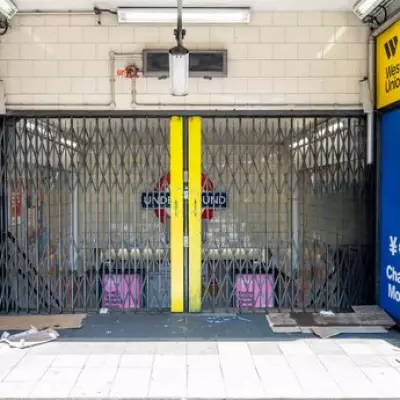
Significant disruptions are anticipated across London's underground network at the end of this month, as Tube workers prepare for a series of strikes. The entire London Underground system is poised to come to a standstill due to mass walkouts, primarily driven by opposition to the introduction of a compressed four-day working week.
Strike Details and Union Concerns
The Rail, Maritime and Transport (RMT) union has confirmed that its members will participate in the strike action, with the initial walkout scheduled for Tuesday, March 10. According to the union, Transport for London (TfL) is proceeding with plans to implement a four-day work week, despite facing backlash from train operators and concerns over operational impacts.
RMT representatives have highlighted several key issues fueling the strike, including worries about extended shift lengths, problematic working time arrangements, and flaws in transfer and allocation processes. The union has emphasized that these factors could lead to increased fatigue among staff and pose potential safety risks, underscoring the need for revised agreements.

Expected Service Disruptions
During the strike periods, Tube services are expected to face severe disruptions, with very few trains operating on the affected days. Commuters and travelers are advised to plan ahead and seek alternative transport options to mitigate the impact of the walkouts.
Planned Strike Dates and Times
The strike action is set to commence on March 24, starting at midday and continuing until midnight on March 25. Following a brief resumption of services on March 26, the strikes will resume at midday and last until midnight on March 27. This staggered approach is likely to cause ongoing challenges for London's transport network throughout the week.
For those relying on the Underground, it is crucial to stay informed about service updates and adjust travel plans accordingly. The disruptions may affect not only daily commutes but also broader economic activities and social events across the city.
Broader Implications and Public Response
The strikes reflect ongoing tensions between transport unions and management over working conditions and policy changes. As London grapples with these disruptions, the situation underscores the importance of dialogue and negotiation in resolving labor disputes to ensure the reliability and safety of public transport systems.