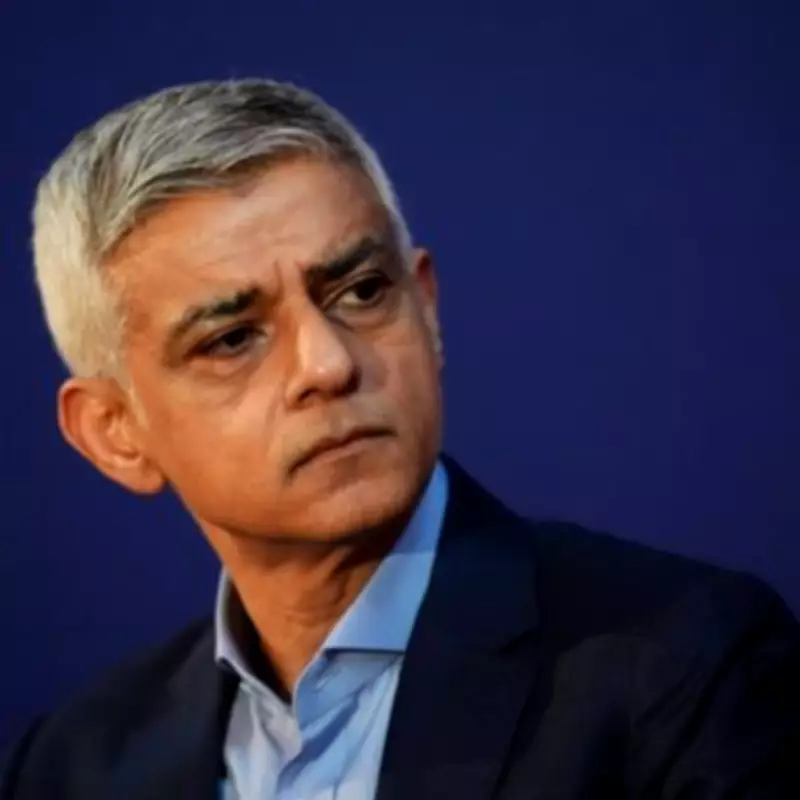
Mayor of London Sir Sadiq Khan is actively considering the introduction of targeted charges for large sport utility vehicles (SUVs) driven within the capital, according to a newly released strategic document. This initiative forms a critical component of his ambitious Vision Zero action plan, which aims to completely eliminate deaths and serious injuries on London's roads by the year 2041.
Targeting Oversized Vehicles for Safety
Transport for London's (TfL) Vision Zero plan explicitly highlights a "pressing need for targeted safety interventions" concerning larger vehicles. The document underscores that the substantial size and weight of large SUVs inherently make roads "more hazardous for everybody outside the vehicle". It details that these vehicles "significantly increase the severity of collisions" due to their design and mass.
Statistical Evidence of Increased Risk
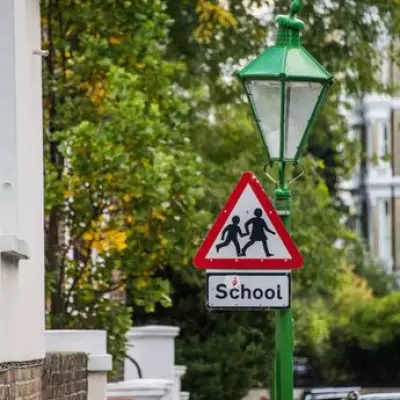
The safety analysis presented is stark. The Vision Zero report claims that oversized vehicles, such as large SUVs, make it harder for drivers to see vulnerable road users like pedestrians and cyclists nearby. It specifically notes that children are "more easily hidden from a driver's view" by these taller vehicles.

Alarming statistics from the document reveal that in Britain:
- SUVs are 14% more likely to kill pedestrians and cyclists than other passenger cars in the event of a collision.
- SUVs are 77% more likely to kill children involved in such incidents.
A spokesperson for Mayor Khan emphasized this point, stating: "It's a startling figure that SUVs are 77% more likely to kill a child if involved in a collision."
Rising Popularity and Policy Scrutiny
SUVs, generally defined as vehicles that are taller, wider, heavier, and less fuel-efficient than traditional cars, now account for approximately one-third of all new car registrations in the UK. Their higher seating position has driven significant consumer popularity in recent years.
In response to this trend and the associated safety data, Mayor Khan has directed TfL to conduct a comprehensive, detailed analysis of the safety risks posed by large SUVs and their broader impact on London's road network. "This could then inform any future policy proposals in London or recommendations to Government or the sector," the mayor's spokesperson confirmed. "As the numbers of large SUVs increase on London's roads, it is right that TfL consider their impact on safety and how they affect other road users."
It is crucial to note that no specific proposals for potential charges have been formally put forward at this stage. The current phase is focused solely on research and analysis.
Industry Response and Existing Charges
The potential move has drawn criticism from automotive industry representatives. Mike Hawes, chief executive of the Society of Motor Manufacturers and Traders, defended vehicle safety standards, stating all cars sold in the UK "regardless of size" must meet "exacting safety and pedestrian protection standards". He argued that "singling out specific cars based on size restricts consumer choice and would unfairly penalise the many drivers who require a larger vehicle for essential mobility."
This consideration of SUV charges follows other major transport policies implemented by Mayor Khan. Sir Sadiq expanded the Ultra-Low Emission Zone (ULEZ) to cover all of London in August 2023, requiring non-compliant vehicle drivers to pay a £12.50 daily fee. London also maintains an £18 daily Congestion Charge for driving within the central zone during specified hours.
The exploration of SUV-specific measures represents a potential new frontier in the mayor's strategy to reshape London's transport landscape, prioritizing the safety of pedestrians and cyclists alongside environmental and congestion goals.