London Underground Chocolate Scent Advert Modified Amid Passenger Discomfort
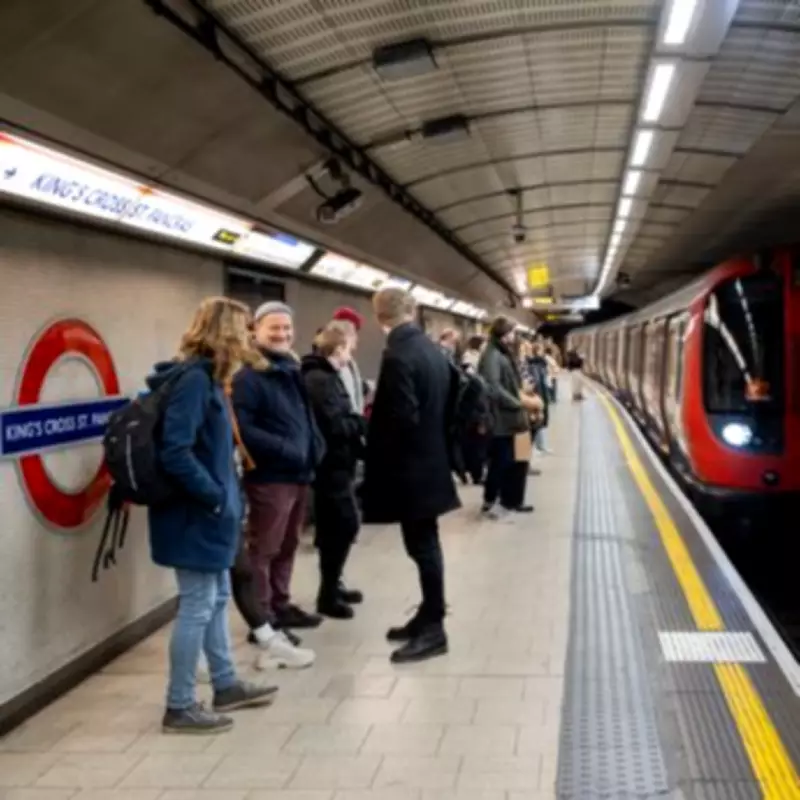
A controversial 'multi-sensory' advertising campaign on the London Underground, which pumped out a chocolate aroma along a busy walkway, has been altered after numerous complaints from passengers and Transport for London (TfL) staff. The advert for Magnum ice cream, installed in the tunnel connecting King's Cross St Pancras Tube station and St Pancras railway station, has been criticised for causing nausea and discomfort.
Passenger and Staff Reactions to the Artificial Chocolate Smell
Since its activation on Monday, March 9, the large display has drawn multiple grievances. Commuters using the tunnel, which links several major Tube lines including the Piccadilly, Victoria, and Northern lines, reported feeling ill after inhaling what was described as a 'weird artificial chocolate smell.' On social media, one passenger stated it 'makes me feel a bit nauseous,' while others echoed similar sentiments.
Transport for London workers also expressed dissatisfaction, as the scent permeated their break room, leading to formal complaints to station management. A commuter, who works in advertising, told BBC London that while he admired the innovative concept, the execution was flawed. He noted, 'I'm not sure they accounted for some of the other odours that might be in this enclosed tunnel. The combination of the smell of urine and the chocolate isn't doing it for me.'

Adjustments Made to the Advertising Campaign
In response to the backlash, London St Pancras Highspeed, the owner of St Pancras railway station, confirmed that JCDecaux, the company responsible for the Magnum advert, has made adjustments to the timing and frequency of the scent release. However, the advert has not been removed and is scheduled to remain in place until March 22. The campaign also includes a cracking sound effect designed to mimic biting into chocolate-covered ice cream.
A spokesperson for Magnum Ice Cream Company claimed that the campaign has 'received mostly positive feedback from commuters' and will 'continue to optimise the campaign... based on consumer feedback.' Despite this, the company acknowledged awareness of the complaints.
Historical Context of Controversial Transport Advertising
This incident is not the first time advertising on London's public transport network has sparked controversy. Earlier this year, Heineken launched a campaign that temporarily rebranded stations on the Bakerloo Line to promote its non-alcoholic beer. For three weeks, station signage was altered, with Oxford Circus changed to 'Oxf0.0rd Circus' and Waterloo to 'Waterl0.0,' as part of the 'Bakerl0.0 Line' initiative.
Mayor Sadiq Khan reported that this campaign generated £375,000 in net revenue for TfL, with all costs covered by Heineken. However, it faced criticism from accessibility campaigners, including Deaf and Disabled People’s Organisations, who argued it disregarded the needs of wheelchair users, neurodivergent individuals, and others with disabilities. TfL typically limits such renaming to 48 hours but extended it for this advertising push from January 8 to January 29.
These cases highlight the ongoing balance between innovative marketing and passenger comfort in London's transit systems, raising questions about the limits of sensory advertising in enclosed public spaces.