Tube Strikes Trigger Expected Surge in Uber and Bolt Fares
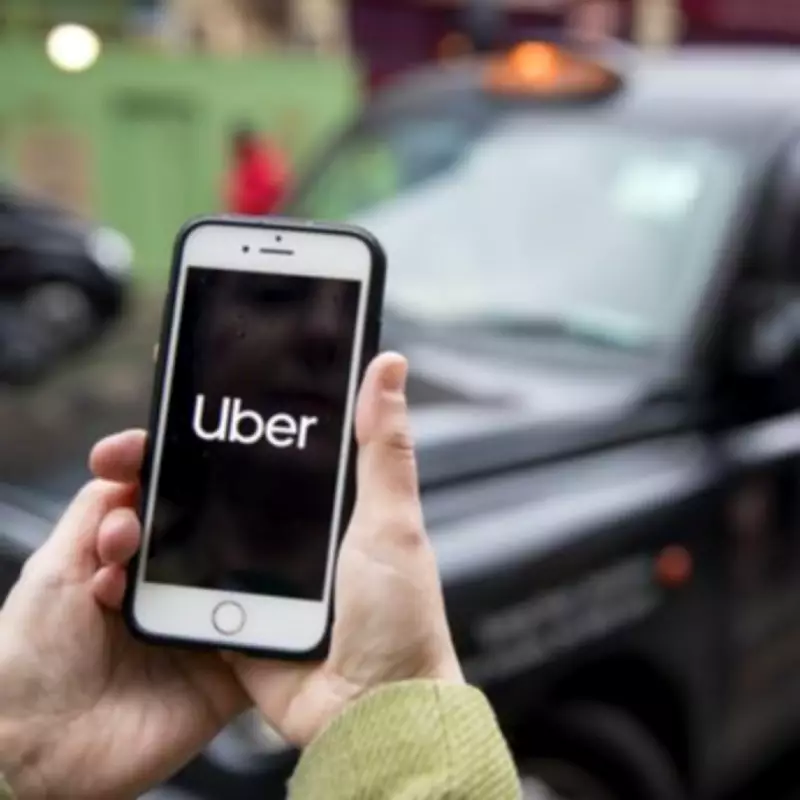
Londoners are being urged not to direct their frustration at Uber and Bolt drivers when fares inevitably surge throughout this week's Tube strikes. According to the App Drivers' and Couriers' Union, workers derive absolutely no benefit from the dynamic pricing structure implemented during periods of exceptionally high demand.
Strike Action Places Pressure on Ride-Hailing Alternatives
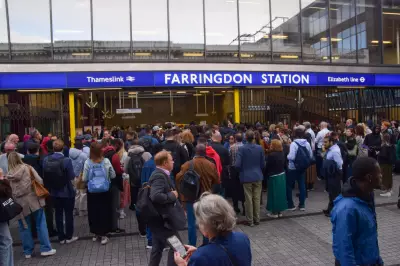
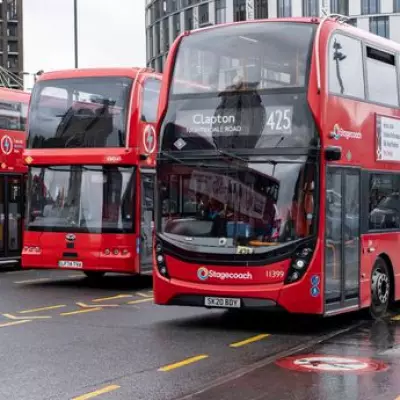
London Underground drivers are walking out on Tuesday, April 21 and Thursday, April 23 in firm opposition to controversial plans to introduce a four-day working week. This industrial action is placing significant and unprecedented pressure on ride-hailing applications as countless commuters and tourists desperately attempt to find alternative travel routes across the capital.
The ADCU warns that journey costs are expected to rise dramatically during peak disruption periods, but claims taxi and private hire drivers receive only a minuscule percentage of the imposed fare increase. General Secretary Cristina-Georgiana Ioanitescu stated that Uber can take as much as 60% of the total paid price in commission under current "upfront pricing" and variable commission models.

Union Leader Appeals for Public Understanding
"We completely understand the profound frustration Londoners feel when the city’s entire transport network grinds to a sudden halt," said Ioanitescu. "However, we urgently appeal to passengers not to take that understandable frustration out on your driver. Drivers are consistently the last ones invited to the negotiating table and the first to be systematically exploited by the digital platforms."
She elaborated further, explaining the disconnect between passenger perception and driver reality: "While you, the passenger, see a shockingly high fare displayed on your screen, your driver is often witnessing their real-term pay collapse as companies like Uber manipulate complex algorithms to transfer wealth directly from workers to corporate shareholders."
Academic Research Supports Union Claims
A comprehensive 2025 study conducted by University of Oxford researchers found that Uber’s implementation of dynamic pricing in the UK has directly led to higher fares for passengers and lower net earnings for drivers, whilst simultaneously increasing Uber’s overall share of total revenue. The report indicated that drivers' average hourly income has reportedly fallen from over £22 to just over £19 before operating costs since the introduction of the surge pricing algorithm in 2023.
Company Defenses and Operational Explanations
Uber has previously defended its pricing model, arguing that it ultimately offers drivers increased work opportunities because it "makes more trips happen overall." In a statement provided to the trade publication TaxiPoint, Uber's UK General Manager Andrew Brem asserted that fares accurately reflect specific local conditions, including current weather patterns, real-time trip request volume, and the precise time of day.
A company spokesperson confirmed this afternoon that Uber is experiencing "significant increases in demand" as a direct result of today's strike action. They provided this operational explanation: "When a large number of people in a specific geographic area are attempting to book a trip simultaneously and there simply aren’t enough available cars, fares automatically rise to incentivize more drivers to proceed to the busy area. Riders will always see a fare estimate in advance, and we proactively inform them if fares are higher than usual." The spokesperson added that Uber retains the technical capability to cap the maximum level that prices can surge to during periods of significant transport disruption.
Bolt's Response and Mitigation Strategies
When approached for comment, Bolt told media that fares may increase temporarily to "encourage more drivers to make themselves available" when public transport services are severely disrupted. Ismail Jan, Bolt’s UK spokesperson, stated: "We actively and continuously monitor our dynamic pricing, including during surge periods, to try to maintain fair and reasonable fares for riders while simultaneously supporting strong, sustainable earnings for our driver partners."

Jan highlighted alternative options for commuters: "We also provide scheduled rides in advance and promote lower-cost alternative services, giving London commuters more choice and flexibility to plan affordable journeys that perfectly fit their specific needs and budgets."
Ongoing Campaign for Driver Rights
The ADCU has vowed to continue its vigorous campaigning for "fair treatment, robust worker rights, and fundamental dignity" for all app-based drivers and couriers operating across the United Kingdom. The union emphasizes that the financial dynamics during service disruptions highlight systemic issues within the gig economy platform model.
Strike Schedule and Expected Disruption Timeline
The strikes, organized by the Rail, Maritime, and Tube Union (RMT), are set to take place on Tuesday, April 21 and Thursday, April 23. Each strike will last a full 24 hours, with drivers walking out from 12pm to 12pm the following day.
- On Strike Days (April 21 & 23): Normal services are expected only until mid-morning. Some disruption will begin in the late morning as services start to reduce ahead of the strike action commencing. After midday, significant and widespread disruption is expected on all London Underground lines.
- On Following Days (April 22 & 24): Significant disruption is expected on all lines throughout the morning. Continued disruption is anticipated throughout the afternoon and evening. Normal service is not expected to resume fully until the evening periods.